
Contents
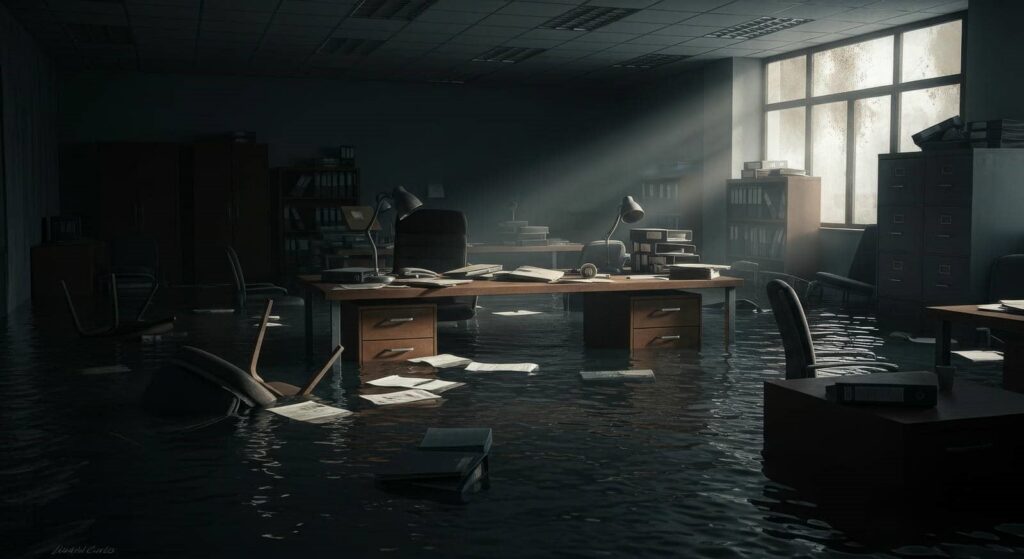
Commercial Flood Damage Cleanup requires a fast, organized response to protect your business from extended downtime, structural damage, and mold growth. Since moisture can create ideal conditions for mold within 24 to 48 hours, immediate water extraction and drying are critical after a flood. Start by ensuring the property is safe, assessing the extent of the damage, and removing standing water with professional equipment. Thorough drying, cleaning, disinfection, and moisture monitoring help protect your building, inventory, equipment, and daily operations. A strategic cleanup process helps minimize disruption and restore your commercial space as quickly and safely as possible.
Key Takeaways
- Conduct a thorough assessment of water damage to identify hidden problems and prioritize cleanup efforts effectively.
- Gather essential cleanup supplies, including PPE, wet/dry vacuums, and dehumidifiers, to ensure a safe and efficient process.
- Document all damage meticulously with photographs and inventory lists for accurate insurance claims and future reference.
- Act quickly to mitigate mold growth, maintaining indoor humidity levels between 30-60% and addressing moisture sources promptly.
- Engage professional help when necessary, especially for health risks related to mold or extensive damage that may require specialized restoration.
Understanding the Impact of Water Damage
When water infiltrates your commercial property, it can lead to extensive damage that goes beyond visible stains and structural issues.
A thorough water damage assessment is essential to identify hidden problems like mold growth or compromised foundations. You’ll need to meticulously document the damage for your insurance coverage, ensuring you capture detailed photographs and notes.
This documentation supports your claim and aids in understanding the full scope of the incident. Engaging professionals with expertise in water damage can provide insights that may go unnoticed.
Prioritize Safety for Your Team
After evaluating the extent of water damage, prioritizing safety for your team becomes paramount.
Implementing robust safety protocols is crucial to prevent injuries and ensure a smooth cleanup process. Here are key steps to reflect on:
Conduct a Safety Briefing: Gather your team to discuss potential hazards and safety measures.
Equip Properly: Verify that every team member has appropriate personal protective equipment (PPE) like gloves, boots, and masks.
Train Regularly: Schedule team training sessions on emergency procedures and safe equipment usage.
Monitor Conditions: Continuously assess the environment for electrical risks, structural instability, or hazardous materials.
Gather Cleanup Supplies
Before diving into the cleanup process, it’s essential to gather the right supplies to ensure efficiency and effectiveness.
Start by creating a supply checklist that includes cleanup essentials like rubber gloves, masks, and protective eyewear to secure safety.
You’ll also need heavy-duty trash bags, mops, buckets, and towels for debris removal. Don’t overlook disinfectants and cleaning agents to tackle mold and bacteria growth.
A wet/dry vacuum can be invaluable for extracting water, while fans and dehumidifiers help with drying.
Having a first aid kit on hand is also wise.
Quickly Remove Standing Water After Water Damage
After water damage occurs, it’s essential to assess the water levels to determine the best course of action.
Once you understand the extent of the standing water, you can effectively utilize the proper equipment to remove it quickly and efficiently.
This methodical approach minimizes further damage and aids in a quicker recovery.
Assess Water Levels First
When you encounter flood damage, evaluating water levels immediately is essential for effective cleanup. A thorough water level assessment helps you understand the extent of damage and informs your next steps.
Here’s how to approach this methodically:
Identify water sources: Determine if the flooding is from natural or plumbing issues.
Measure water depth: Use a measuring tool to assess how deep the water is in different areas.
Check for structural damage: Look for signs of weakened walls or floors during your damage evaluation.
Document findings: Take photos and notes for insurance purposes and future reference.
Utilize Proper Equipment
Utilizing the right equipment is essential for quickly removing standing water after flooding. Start with flood pumps, as they can efficiently extract large volumes of water from your space. Choose pumps that match the severity of the flooding to ensure effective removal.
Once you’ve eliminated the bulk of the water, deploy drying fans to circulate air and promote rapid evaporation. Position these fans strategically to cover all affected areas, particularly corners and hidden spots where moisture can linger.
Thoroughly Dry and Sanitize Affected Areas
To effectively restore your commercial space after flooding, you must prioritize thoroughly drying and sanitizing the affected areas. Neglecting this step can lead to further damage and health risks.
Here are essential actions to take:
Use industrial-grade dehumidifiers to remove moisture from the air.
Implement drying methods such as air movers and fans to circulate air and speed up drying.
Apply sanitization techniques, including disinfectants, to eliminate harmful bacteria and mold spores.
Inspect insulation and drywall, as these materials may need replacement if they retain moisture.
Identifying and Preventing Mold Growth After Water Damage
After water damage, it’s essential to identify moisture sources to mitigate mold growth effectively.
Acting quickly to address these issues can greatly reduce the risk of mold proliferation.
Additionally, maintaining appropriate indoor humidity levels will help create an environment that discourages mold development.
Identify Moisture Sources
Identifying moisture sources is essential because even a small amount of lingering water can lead to mold growth, which poses serious health risks and structural damage.
To effectively tackle this problem, follow these steps for moisture detection:
Inspect for leaks: Check plumbing fixtures, roofs, and windows for any visible leaks.
Evaluate humidity levels: Use a hygrometer to measure indoor humidity; ideally, it should stay below 60%.
Look for condensation: Examine areas where condensation builds up, such as around air conditioning units and ducts.
Identify hidden sources: Investigate behind walls and under flooring for trapped moisture, often caused by water sources like burst pipes or flooding.
Addressing these factors will help you prevent mold growth and maintain a safe environment.
Act Quickly After Damage
Once you’ve identified moisture sources, the next step is to act swiftly to mitigate damage and prevent mold growth.
Your immediate response is vital; mold can begin to develop within 24 to 48 hours after water exposure. Adhering to a strict damage timeline, you should start the cleanup process right away.
Remove standing water using pumps or wet vacuums, and thoroughly dry affected areas with fans and dehumidifiers. Make sure materials like carpets and drywall are adequately treated or replaced, as they can harbor mold.
By addressing these issues promptly, you greatly reduce the risk of mold growth and foster a healthier environment for everyone involved.
Maintain Indoor Humidity Levels
To effectively prevent mold growth in the aftermath of water damage, maintaining ideal indoor humidity levels is essential. You should aim for a relative humidity of 30-60%.
Here are some steps to achieve effective humidity control:
Use Dehumidifiers: Invest in high-capacity dehumidifiers to extract moisture.
Enhance Air Circulation: Utilize fans to promote airflow, reducing stagnant moisture pockets.
Seal Leaks: Inspect and repair any leaks or gaps in windows and doors to prevent outdoor humidity from entering.
Monitor Levels: Use a hygrometer to regularly check humidity levels and adjust your strategies accordingly.
Document Damage for Insurance Claims
As you navigate the aftermath of a flood, documenting the damage becomes essential for a successful insurance claim. Start by capturing clear photographs of affected areas, ensuring you include both wide shots and close-ups.
Note specific details, like the extent of water damage and any structural concerns. Create an inventory of damaged items, including their approximate value and condition. This thorough insurance documentation will be invaluable during claim submission.
Keep receipts for any emergency repairs or temporary relocations, as these costs may be reimbursable. Finally, maintain organized records and timelines, as they’ll strengthen your case.
How to Restore or Replace Damaged Materials
While you assess the damage caused by flooding, deciding whether to restore or replace affected materials is essential for your business’s recovery.
Consider the following factors to guide your decision on material restoration versus replacement options:
Extent of Damage: Evaluate whether materials can be cleaned and repaired effectively.
Cost-Effectiveness: Compare the costs of restoration versus replacement; sometimes replacement is more economical.
Time Sensitivity: Determine how quickly you need your space operational; some restorations take longer.
Health Risks: Address potential mold or contamination; replacing materials may be safer in these cases.
When to Seek Professional Help for Severe Water Damage?
If you notice extensive water infiltration, it’s vital to assess the situation promptly.
Look for indicators of structural damage, such as sagging ceilings or warped walls, which could signal serious issues beneath the surface.
Additionally, if mold growth appears or lingers, seeking professional help is necessary to ensure safety and effective remediation.
Extensive Water Infiltration
When extensive water infiltration occurs, recognizing the signs is essential for minimizing damage and ensuring safety.
Here are key indicators that suggest you should seek professional help:
Persistent Dampness: If areas remain wet long after the flood, it could indicate deeper issues.
Mold Growth: The presence of mold not only threatens health but also indicates prolonged moisture.
Unusual Odors: Musty smells can signal trapped water, warranting immediate action.
Elevated Humidity Levels: High humidity can exacerbate damage and requires effective flood prevention and drainage solutions.
Addressing these issues promptly can save you from costly repairs and health risks.
Structural Damage Indicators
Recognizing the signs of structural damage after severe water infiltration is vital for maintaining the integrity of your property.
First, inspect your foundation for cracks; even small ones can indicate serious issues. Pay close attention to any significant shifts or gaps, as they can worsen over time.
Next, examine the beams in your structure—if they’re warped or sagging, it’s a clear sign that water has compromised their stability.
Don’t overlook windows and doors that stick or won’t close properly; these can signal settling or misalignment due to water damage.
If you notice any of these indicators, it’s imperative to seek professional help immediately to prevent further damage and ensure the safety of your space.
Mold Growth Concerns
Mold growth can escalate quickly in the aftermath of severe water damage, often within just 24 to 48 hours. To protect your space, it’s crucial to recognize when to seek professional help.
Consider the following:
- Visible mold appears on surfaces.
- A musty odor permeates the area.
- You notice water-stained walls or ceilings.
- You experience respiratory issues after the incident.
Implementing mold prevention strategies and using effective mold inspection techniques can mitigate risks. Regular checks and proper ventilation help keep your environment healthy, but once mold takes hold, swift action is critical.
Don’t hesitate to call experts who can handle extensive damage and ensure thorough cleanup, safeguarding your property and fostering a healthier community.
Ensuring Safety After Water Damage Cleanup
Although you’ve completed the initial cleanup after water damage, ensuring safety in the affected area remains essential.
Start by wearing personal protective equipment, such as gloves and masks, to shield yourself from potential contaminants.
Check for structural damage; if you notice sagging ceilings or walls, evacuate immediately and contact professionals.
Verify your electrical systems are safe; avoid using outlets in damp areas and consider shutting off power if necessary.
Familiarize yourself with emergency procedures for your facility, including evacuation routes and first aid stations.
Regularly monitor air quality, as lingering moisture can lead to mold.
Frequently Asked Questions
How Can I Ensure My Business Remains Compliant After Flood Damage?
To ensure your business stays compliant after flood damage, review your flood insurance policy and adhere to local safety regulations. Document repairs and communicate with authorities to maintain transparency and protect your business’s integrity.
What Are the Costs Associated With Commercial Flood Damage Cleanup?
The costs associated with commercial flood damage cleanup vary greatly, often depending on insurance coverage and restoration services needed. You’ll want to assess damages thoroughly to make sure you understand potential expenses and your financial responsibilities.
How Long Does the Entire Flood Damage Cleanup Process Take?
The cleanup timeline typically spans from days to weeks, depending on damage severity. You’ll navigate recovery phases like assessment, removal, and restoration, ensuring a thorough approach that fosters a sense of community and belonging throughout the process.
Can I Use Regular Household Products for Flood Cleanup?
You can’t rely solely on regular household cleaners for flood cleanup. Their effectiveness varies, and they might not eliminate bacteria or mold. Opt for specialized products to ensure thorough sanitation and better overall cleanup results.
What Are the Signs of Hidden Water Damage in a Commercial Space?
You’ll notice signs of hidden water damage, like peeling paint, warped walls, or a musty odor. Using moisture detection tools can help identify hidden leaks, ensuring you address issues before they escalate further.
Summary
While you might think tackling flood damage alone is cost-effective, the risks of mold and structural issues can lead to far greater expenses down the line. Prioritizing safety, thorough documentation, and effective water removal techniques protects your investment and ensures a swift recovery. By following these ten tips, you can effectively manage cleanup and restoration. Don’t underestimate the importance of professional help when needed; it could save you from long-term headaches and financial strain.
Recent Posts
Sewage Backup Cleanup: How Professionals Restore Contaminated Areas
When you face a sewage backup, professionals first document the damage, stop the flow, and
Emergency Water Damage Cleanup: What Happens When Help Arrives?
When you call for emergency water damage cleanup, the first crew on site checks the
Understanding the Water Damage Restoration Process From Start to Finish
You might not realize how much damage hidden moisture can do until it starts affecting