
Contents
You might think that dealing with commercial water damage requires a hefty budget, but that’s not necessarily true. There are several effective, cost-efficient strategies to address and prevent water damage without breaking the bank. By understanding early signs of water damage and utilizing DIY methods, you can save money while ensuring your property remains safe. Let’s explore these budget-friendly solutions that can help you manage water issues effectively.
Key Takeaways
- Implement DIY water extraction methods using wet vacs and mops for immediate and cost-effective water removal.
- Utilize fans and dehumidifiers to dry affected areas quickly, reducing the risk of mold growth.
- Conduct routine maintenance checks on plumbing and roofs to prevent potential leaks and water damage.
- Use absorbent materials like towels to soak up excess moisture before it spreads further.
- Install water sensors to provide early warnings of leaks, allowing for prompt action and damage mitigation.
How to Identify Water Damage Early
How can you spot water damage before it escalates? Look for early warning signs such as discoloration on walls or ceilings, which often indicates moisture presence.
Pay attention to any musty odors, as they could suggest hidden mold growth. Regular moisture detection is essential; consider using a hygrometer to measure humidity levels in your space.
Check areas prone to leaks, like around windows, pipes, and roofs, for dampness. Inspect your floors for warping or buckling—these can signal underlying issues.
By being vigilant and proactive, you can address potential problems early, saving yourself from costly repairs down the line.
Cost-Effective Water Damage Extraction Techniques
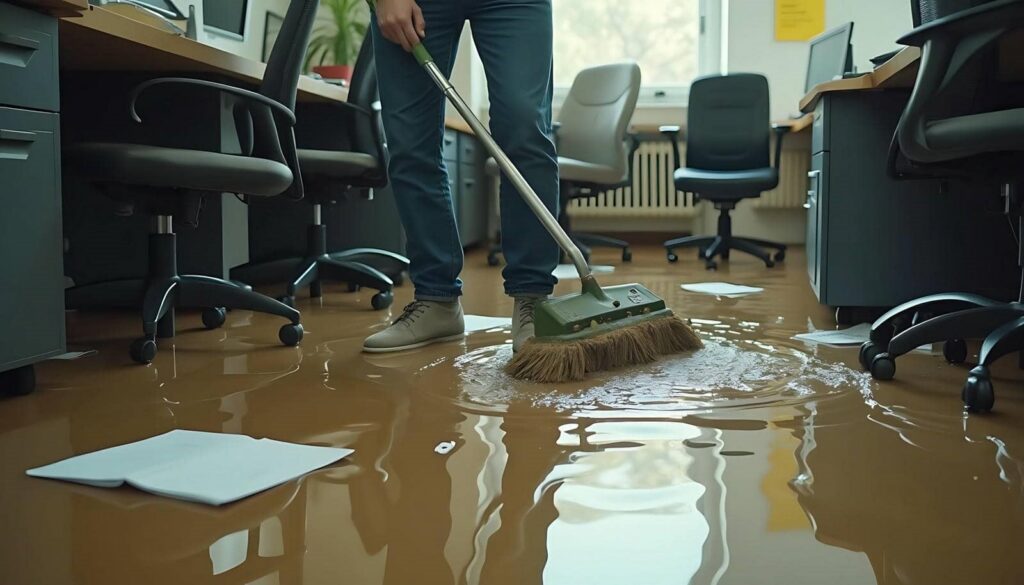
When faced with water damage, you can implement cost-effective extraction techniques to minimize expenses.
DIY methods, such as using mops and wet vacs, offer immediate solutions without significant financial investment.
Additionally, exploring affordable equipment options can enhance your efficiency while keeping costs low.
DIY Extraction Methods
If you’re facing water damage, you don’t always need to call in a professional; several DIY extraction methods can effectively minimize the impact while saving you money.
Start by utilizing a sump pump for removing standing water quickly. This tool is particularly useful in basements or areas prone to flooding. Verify your drainage systems are clear and functioning properly to prevent further accumulation.
If water remains, use absorbent materials like towels or rags to soak up excess moisture. Additionally, fans and dehumidifiers can aid in drying affected areas efficiently.
Affordable Equipment Options
While tackling water damage on a budget, selecting the right equipment is essential for effective extraction.
Consider investing in budget equipment like portable water extractors and dehumidifiers, which are vital in minimizing damage. These tools are designed for efficiency, allowing you to remove water quickly and dry out the affected areas thoroughly.
If purchasing isn’t feasible, explore rental options available through local hardware stores or equipment rental services. Renting high-quality industrial fans and pumps can also save you money while ensuring you have the best tools for the job.
Simple DIY Repairs for Minor Water Damage
Although minor water damage can seem intimidating, tackling simple repairs yourself can save time and money.
Start by addressing water staining on walls or ceilings. Use a mixture of water and mild detergent to clean the affected areas. For persistent stains, apply a stain-blocking primer before repainting.
To prevent mold growth, make certain the area is well-ventilated and dry it out completely. You can use fans or dehumidifiers to speed up the drying process.
If you notice any mold, treat it immediately with a solution of vinegar and water, scrubbing it away cautiously.
These straightforward DIY repairs not only restore your space but also foster a sense of belonging to a community that values self-sufficiency and resourcefulness.
Low-Cost Tips to Prevent Future Water Damage
To prevent future water damage, you should prioritize regular maintenance checks throughout your home.
Inspect plumbing, roofs, and gutters to identify potential issues before they escalate.
Additionally, installing water sensors can provide early warnings of leaks, allowing for prompt action and minimizing damage.
Regular Maintenance Checks
Regular maintenance checks are essential for preventing future water damage, especially since small issues can escalate into costly repairs if left unaddressed.
Implementing a routine maintenance schedule allows you to identify potential problems early, guaranteeing your commercial property remains safe and functional. Start with preventive measures like inspecting your roof for leaks, checking gutters and downspouts for clogs, and monitoring plumbing systems for signs of wear.
Additionally, examine your foundation for cracks and guarantee proper drainage around your building. By staying proactive, you foster a culture of care within your team, promoting awareness of water damage risks.
Consistent maintenance not only saves money but also enhances the longevity and value of your property, creating a secure environment for everyone involved.
Install Water Sensors
Incorporating water sensors into your property can greatly enhance your defense against water damage. These devices act as an early warning system, alerting you to leaks or excess moisture before they escalate into costly issues.
For commercial applications, choosing the right sensors is essential; opt for models that connect to your existing building management systems for seamless integration. Position them in high-risk areas like basements, near HVAC units, and around plumbing fixtures.
How to Choose Affordable Restoration Services?
How can you find affordable restoration services without compromising on quality?
To guarantee you’re making a wise choice, follow these steps:
Request affordable quotes from multiple companies to gauge pricing.
Conduct service comparisons to evaluate the range of services offered and their effectiveness.
Check reviews and testimonials to verify the reliability and quality of the services.
Using Dehumidifiers to Prevent Mold Growth
Since mold thrives in damp environments, using dehumidifiers is an effective strategy to control humidity levels in your home.
Proper dehumidifier placement is essential; position units in areas prone to moisture, like basements or bathrooms, to maximize moisture control.
Regularly monitor humidity levels and adjust settings as needed to maintain ideal conditions, ideally between 30-50%.
This proactive approach not only prevents mold growth but also enhances indoor air quality.
Make sure your dehumidifiers have the capacity to handle the space size, and consider models with built-in hygrometers for real-time monitoring.
Maximizing Your Insurance Coverage for Water Damage
To effectively maximize your insurance coverage for water damage, it’s essential to understand your policy details and the claims process. Here are three key steps you can take:
Review Your Insurance Policy: Familiarize yourself with coverage limits, deductibles, and exclusions related to water damage. Knowing these details can help you avoid surprises when filing a claim.
Document Damage Thoroughly: Take photos and notes of all affected areas and items. This documentation is vital for supporting your claim and ensuring you receive the compensation you deserve.
Communicate Promptly with Your Insurer: Notify your insurance company as soon as water damage occurs. Timely communication can expedite the claim process and reduce potential losses.
Frequently Asked Questions
What Are the Signs of Hidden Water Damage?
You’ll notice signs of hidden water damage like water stains on walls or ceilings and musty odors permeating the area. These indicators often suggest moisture problems that need prompt attention to prevent further issues.
How Can I Assess the Extent of Water Damage?
To assess water damage, use a moisture meter to check affected areas. Look for discoloration, peeling paint, or warped surfaces. Document findings to understand the extent and plan for necessary repairs effectively.
Are There Specific Plants That Help Reduce Humidity Indoors?
Yes, humidity-absorbing plants like peace lilies, spider plants, and Boston ferns greatly improve indoor air quality. They effectively reduce humidity levels, creating a healthier environment that enhances your comfort and wellbeing in shared spaces.
Can I Use Regular Household Fans for Water Damage Drying?
Yes, you can use regular household fans for drying, but their efficiency might be lower compared to specialized equipment. Combining fans with proper drying techniques enhances airflow, speeding up moisture evaporation and improving overall results.
What Safety Precautions Should I Take During Water Damage Cleanup?
During water damage cleanup, protect yourself like a firefighter in a blaze. Wear protective gear, including gloves and masks, and guarantee electrical safety by turning off power sources before starting. Your safety’s paramount; don’t underestimate risks!
Wrap-Up
Addressing commercial water damage effectively requires a proactive approach that combines budget-friendly solutions with strategic planning. The theory that early detection and prompt action can greatly reduce restoration costs holds true; investing in simple preventive measures can save you from extensive damage later. By employing DIY methods, utilizing dehumidifiers, and maximizing insurance coverage, you not only safeguard your property but also enhance your financial resilience against unforeseen water-related incidents.
Recent Posts
7 Best Budget-Friendly Water Damage Restoration Options
When water damage hits, it can feel overwhelming, especially if you’re on a budget. You
Budget-Friendly Options for Water Damage Restoration
Many homeowners underestimate the potential costs associated with water damage restoration, often leading to financial
Why Choose Commercial Water Remediation Services?
When faced with water damage, you might wonder why it’s essential to choose commercial water