
Contents
Is it true that a burst pipe can lead to extensive water damage if not addressed promptly? Many homeowners underestimate the urgency of burst pipe repairs, thinking it’s just a minor inconvenience. However, the reality is that time is critical in minimizing damage and preventing mold growth. Understanding the steps to take can save you from costly repairs and health hazards. Let’s explore what to do when you face this common yet serious issue.
Key Takeaways
- Shut off the water supply immediately to prevent further damage before starting repairs.
- Assess the damage thoroughly, documenting findings with photos for insurance purposes.
- Repair the burst pipe by cutting out the damaged section and replacing it with appropriate materials.
- Extract water using a wet/dry vacuum and promote ventilation to prevent mold growth.
- Implement preventative measures, such as insulating pipes and scheduling regular maintenance to avoid future incidents.
Identifying the Source of the Burst Pipe
Identifying the source of a burst pipe is essential for effective repairs and minimizing water damage. Start by employing various pipe inspection techniques like visual inspections, thermal imaging, and acoustic leak detection. Each method has its strengths; for instance, thermal imaging can reveal temperature differences, helping you locate hidden leaks without invasive measures.
Common causes of burst pipes include extreme temperature fluctuations, corrosion, and high water pressure. Be aware that older pipes are more susceptible to wear and tear, increasing the likelihood of failure.
Once you pinpoint the source, document the findings to assist with repairs and insurance claims. Remember, your goal isn’t just to fix the issue but to prevent future occurrences.
Shutting Off the Water Supply
When a pipe bursts, your first step should be shutting off the water supply to prevent further damage. This is an essential part of your emergency procedures that can save your home from extensive water damage.
Locate your water shutoff valve, which is usually found near your water meter or where the main line enters your home. Turn the valve clockwise until it’s fully closed.
Remember, taking swift action can make all the difference. You’re not alone in this; many homeowners face similar challenges and can relate to the urgency of the situation.
- Protect your cherished belongings from water damage.
- Avoid costly repairs that could otherwise be prevented.
- Feel empowered by taking control of the situation.
- Join a community of proactive homeowners who know how to respond.
Assessing the Damage
After shutting off the water supply, you need to assess the damage to understand the extent of the problem.
Start with a detailed damage assessment of the affected areas. Inspect walls, floors, and ceilings for any visible signs of water intrusion. Look for discoloration, peeling paint, or warping, as these indicate moisture presence.
Next, conduct a moisture evaluation using a moisture meter to identify hidden dampness behind walls and under flooring. Pay close attention to areas near the burst pipe, as they’re likely to have sustained the most damage.
Document your findings with photos and notes, as this information will be vital for insurance claims and repairs.
If you encounter extensive damage, it might be wise to consult a professional to ensure a thorough evaluation and to prevent future issues. Understanding the extent of the damage now will set the stage for effective repairs later.
Repairing the Burst Pipe
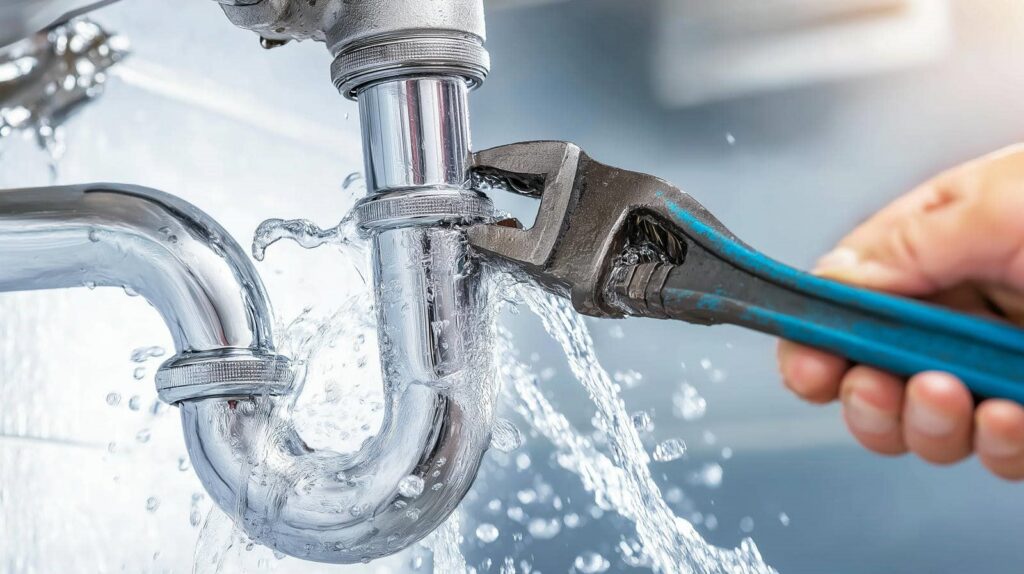
To effectively repair a burst pipe, start by gathering the necessary tools and materials, including a pipe cutter, replacement pipe, fittings, and plumbing tape. Familiarize yourself with the different pipe materials, such as PVC or copper, as they dictate the appropriate repair techniques.
- The satisfaction of restoring your home
- The relief of preventing further damage
- The pride of mastering an essential skill
- The sense of community in sharing your success
Once you’ve got everything ready, cut out the damaged section of the pipe. Confirm the edges are smooth before attaching the replacement pipe using the correct fittings. Secure the joints with plumbing tape to prevent leaks.
Always double-check your work and turn on the water supply slowly to monitor for any issues. By following these steps, you repair the pipe and gain confidence in your DIY abilities.
Water Extraction and Cleanup
Once you’ve repaired the burst pipe, the next step is addressing the water damage. Start with water removal to prevent further complications. Use a wet/dry vacuum or a submersible pump to extract standing water efficiently. Make certain you wear protective gear during this process to stay safe.
Next, focus on moisture control. Open windows and doors to promote ventilation, and use fans or dehumidifiers to expedite drying. Check all affected areas, including carpets, drywall, and furniture, as lingering moisture can lead to mold growth.
Don’t forget to monitor humidity levels throughout the cleanup. Ideally, keep humidity below 60% to discourage mold.
Once everything’s dry, thoroughly clean and disinfect the areas impacted by water. This helps eliminate any contaminants and prepares your space for normal use again.
Preventative Measures for Future Incidents
While you can’t predict every plumbing issue, implementing preventative measures can greatly reduce the risk of future burst pipes.
Protecting your home and loved ones is essential, and a few simple steps can make all the difference.
- Insulate exposed pipes to prevent freezing during cold months.
- Schedule seasonal maintenance to catch potential problems early.
- Monitor water pressure to avoid strain on your plumbing system.
- Keep an eye on your home’s temperature to maintain a stable environment.
Frequently Asked Questions
How Long Does It Take to Repair a Burst Pipe?
Repair duration for a burst pipe typically ranges from one to several hours, depending on pipe materials like PVC or copper. Factors such as location and severity can also influence how long the repair takes.
Can I Claim Insurance for Water Damage From a Burst Pipe?
Yes, you can claim insurance for water damage from a burst pipe, provided your policy includes coverage for such incidents. It’s crucial to document the damage and notify your insurer promptly to facilitate the claim process.
What Should I Do if I Can’t Locate the Shut-Off Valve?
If you can’t locate the shut-off valve, follow emergency procedures like turning off the main supply to your home. Consider valve alternatives, such as using hose bibs, to minimize water damage until you find it.
Are There DIY Methods for Temporary Pipe Repairs?
Yes, you can use temporary fixes like rubber patches or pipe sealing tape to stop leaks. Secure these materials tightly around the damaged area, ensuring a tight seal until permanent repairs can be made.
How Can I Prevent Mold Growth After a Burst Pipe Incident?
To prevent mold growth, control moisture immediately by drying affected areas and using dehumidifiers. Ensure proper ventilation and seal any leaks. Regularly check for hidden water sources to maintain an environment conducive to mold prevention.
Summary
Addressing a burst pipe swiftly is essential to minimize damage. By promptly identifying the leak, shutting off the water, and executing proper repairs and cleanup, you can greatly reduce the risk of mold and further complications. Implementing preventive measures afterward can safeguard your home against future incidents, ensuring you maintain a safe and dry living environment.
Recent Posts
7 Best Fire and Water Damage Repair Services
When disaster strikes, choosing the right fire and water damage repair service is essential for
Why Choose Experts for Fire and Water Damage?
Many homeowners who attempt DIY fire and water damage repairs end up facing higher costs
Comprehensive Fire and Water Damage Recovery Solutions
When disaster strikes, it’s vital to act swiftly and strategically to minimize the impact on