
Contents
Just as a small leak can sink a great ship, water damage can threaten the stability of your commercial property. Understanding the nuances of water remediation is essential for safeguarding your business. From timely extraction to advanced drying techniques, knowing how to address water issues effectively can make all the difference. What strategies should you consider to ensure your operations remain uninterrupted and your property stays protected?
Key Takeaways
- Professional remediation services utilize advanced extraction methods, such as suction pumps and water vacuums, for effective water removal and damage reduction.
- Timely intervention is crucial, as prompt water remediation minimizes extensive damage and helps maintain business operations and reputation.
- Regular inspections and maintenance can identify potential water damage sources, such as faulty plumbing or aging roofs, before they escalate.
- Effective moisture control strategies, including humidity management and moisture barriers, are essential to prevent mold growth after water exposure.
- Insurance coverage, knowledge, and documentation of damage and repairs ensure a smoother claims process and financial protection during remediation efforts.
Understanding Water Damage in Commercial Properties
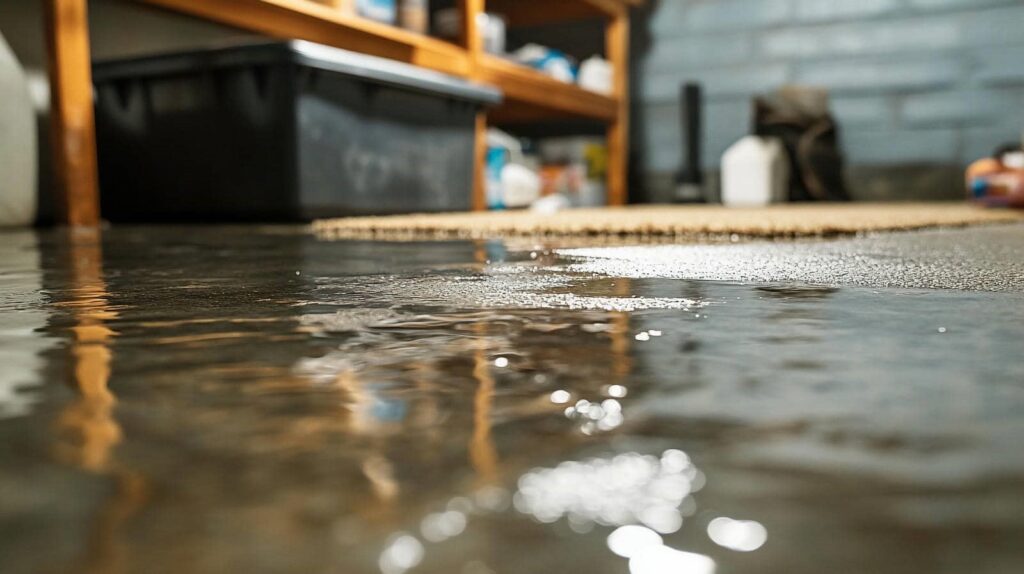
Water damage in commercial properties can occur in various forms, and understanding its nuances is essential for effective remediation. You need to conduct a thorough water damage assessment to identify the source and extent of the damage. This assessment helps in pinpointing immediate issues and uncovers potential long-term risks associated with moisture intrusion.
Ignoring these risks can lead to structural damage, mold growth, and expensive repairs. By being proactive, you can mitigate these issues before they escalate. Consider common culprits like plumbing failures, roof leaks, or flooding, each presenting unique challenges that require tailored solutions.
Engaging with professionals who specialize in commercial water remediation ensures that you’re not alone in maneuvering these complexities. They bring expertise and resources to tackle the situation effectively, allowing you to focus on maintaining a safe and welcoming environment for your tenants and clients.
Importance of Prompt Water Remediation
Timely intervention in water damage situations can considerably influence the outcome of remediation efforts. When you respond promptly, you minimize the risk of extensive damage, mold growth, and costly repairs.
Your emergency readiness is essential; having a plan and trained personnel in place can make all the difference. A prompt response enables you to assess the situation accurately and implement effective solutions quickly.
This proactive approach protects your property and reassures your employees and clients that you’re committed to a safe environment. Moreover, addressing water issues swiftly can help maintain your business reputation, showing that you prioritize operational integrity.
Common Causes of Water Damage in Businesses
While various factors can contribute to water damage in businesses, some of the most common causes often stem from plumbing failures, roof leaks, and severe weather events. Understanding these issues can help you mitigate risks and protect your assets.
Faulty plumbing: Broken pipes or deteriorating fixtures can lead to significant water leaks, causing extensive damage if not addressed quickly.
Leaky roofs: Aging roofs can develop leaks, especially after heavy rains or storms, allowing water to seep into your building.
Severe weather: Flooding from heavy storms can overwhelm drainage systems, leading to water intrusion in your premises.
Effective Water Extraction Methods
When dealing with water damage, employing effective extraction methods is vital for minimizing loss and restoring your business environment.
Utilizing suction pumps is one of the most efficient ways to remove standing water. These powerful devices can quickly extract large volumes, reducing the risk of further damage.
Water vacuums also play an important role in the extraction process. They’re particularly useful for smaller areas or when dealing with residual moisture. Their design allows for easy maneuverability, making it simple to access tight spaces and corners.
Combining suction pumps and water vacuums ensures thorough extraction, enabling a faster return to normal operations.
By implementing these methods, you protect your property and foster a sense of community among employees, reassuring them that their workspace is safe and well-maintained.
Advanced Drying Techniques for Commercial Spaces
After effectively extracting standing water, the next step in water remediation is implementing advanced drying techniques tailored for commercial spaces.
You’ll want to ensure moisture levels are reduced quickly to prevent further damage.
Two key technologies play a significant role in this process: advanced dehumidification systems and infrared drying technology.
Advanced Dehumidification Systems: These systems efficiently remove moisture from the air, lowering humidity levels and accelerating the drying process.
Infrared Drying Technology: This innovative method uses infrared heat to penetrate building materials, drying them from the inside out without causing damage.
Strategic Airflow Management: Positioning fans strategically enhances air circulation, ensuring every corner of your space dries effectively.
Mold Prevention and Remediation Strategies
To effectively prevent mold growth, you need to prioritize moisture control in your commercial space.
Regular inspections are essential for identifying potential problem areas before they escalate.
When issues arise, relying on professional remediation services ensures thorough and safe removal.
Effective Moisture Control
Effective moisture control is essential for preventing mold growth and ensuring a healthy indoor environment. To achieve this, you need to implement strategic methods that address moisture issues proactively.
Focus on the following key strategies:
Install moisture barriers: Use vapor barriers in basements and crawl spaces to prevent ground moisture from seeping into your property.
Maintain humidity control: Keep indoor humidity levels between 30-60% using dehumidifiers and proper ventilation systems.
Monitor water sources: Regularly check pipes, roofs, and appliances for leaks to tackle potential water intrusion before it leads to mold.
Regular Inspections Importance
Regular inspections are essential for identifying and addressing mold risks before they escalate into significant problems. By implementing a routine inspection schedule, you can ensure your property undergoes preventive maintenance, reducing the likelihood of mold growth.
The recommended inspection frequency typically involves quarterly checks, allowing for timely detection of leaks and dampness. During these inspections, focus on high-risk areas like basements, attics, and around HVAC systems.
Engaging your staff in the process fosters a culture of awareness and responsibility. If you spot any signs of mold, addressing them immediately can save you time and money in the long run.
Prioritizing regular inspections protects your property and promotes a healthier environment for everyone involved.
Professional Remediation Services
While routine inspections can help catch mold issues early, professional remediation services are essential for effectively addressing existing problems and preventing future occurrences.
These experts utilize advanced remediation technology to assess and improve water quality, ensuring a thorough approach to mold prevention.
Consider these key benefits of professional services:
Comprehensive Assessment: They pinpoint mold sources and assess water damage effectively.
Targeted Solutions: Employing specialized techniques, they tailor remediation strategies to your facility’s unique needs.
Long-term Prevention: By addressing underlying moisture issues, they help prevent future mold growth.
Investing in professional remediation protects your space and fosters a healthier environment for everyone involved.
Don’t leave it to chance; prioritize professional help for lasting results.
Insurance Considerations for Water Damage Claims
When dealing with water damage claims, understanding your policy coverage limitations is vital to avoid unexpected costs.
You’ll need to gather and present thorough documentation to support your claim effectively.
Policy Coverage Limitations
Understanding policy coverage limitations is essential for maneuvering the complexities of water damage claims. Knowing your coverage can save you from unexpected financial burdens.
Pay attention to these vital aspects:
Policy exclusions: Certain types of water damage may not be covered, like flooding from natural disasters.
Coverage limits: Familiarize yourself with the maximum amount your policy will pay out for water damage claims.
Deductibles: Be aware of how much you’ll need to pay out-of-pocket before your insurance kicks in.
Documentation Requirements Essential
To successfully navigate water damage claims, you must prioritize thorough documentation. Implementing documentation best practices can greatly enhance your chances of receiving fair compensation. Start by collecting essential forms, including photographs of the damage, repair estimates, and communication with your insurance company.
Here’s a quick reference table to guide you:
| Documentation Type | Importance |
|---|---|
| Photographic Evidence | Visual proof of damage |
| Repair Estimates | Justification for claimed costs |
| Insurance Correspondence | Record of your communication efforts |
Choosing the Right Water Remediation Service Provider
How can you ensure you’re selecting the best water remediation service provider for your needs? It starts with thorough research and evaluation. Here are some critical aspects to take into account:
Service Quality: Assess the provider’s commitment to delivering high-quality results through certifications and industry standards.
Client Testimonials: Look for feedback from previous clients. Genuine testimonials can reveal the provider’s reliability and effectiveness.
Experience and Expertise: Confirm the team has substantial experience in handling similar water remediation projects.
Selecting the right provider is essential for a successful remediation process. By focusing on these factors, you’ll foster a sense of trust and assurance in your choice.
Engaging with a provider who prioritizes your needs and demonstrates a proven track record can make all the difference in restoring your space and peace of mind. Choose wisely, and you’ll feel supported every step of the way.
Frequently Asked Questions
How Long Does the Water Remediation Process Typically Take?
The water remediation process typically takes a few days to weeks. Your remediation timeline depends on factors like water source, extent of damage, and environmental conditions. Understanding these factors helps you plan effectively for recovery.
What Are the Costs Associated With Water Remediation Services?
Think of water damage as a thief; remediation pricing can range from hundreds to thousands, depending on severity and size. You’ll want detailed assessments to ensure you’re investing wisely in restoring your space effectively.
Can I Stay in My Building During Remediation?
You shouldn’t stay in your building during remediation due to safety concerns. Remediation safety measures often require restricted access, ensuring your well-being while professionals restore your space. Prioritize your health for a smoother recovery process.
What Should I Do Immediately After Discovering Water Damage?
Think of water damage like a thief sneaking in. Immediately initiate your emergency response by shutting off the water source, then conduct a thorough damage assessment to understand the extent and plan your next steps.
Are DIY Water Remediation Methods Effective for Commercial Properties?
DIY water remediation methods aren’t always effective for commercial properties. You’ll face unique challenges, like larger spaces and specialized equipment needs. It’s often better to consult professionals for thorough, lasting solutions tailored to your situation.
Recap
In the face of water damage, envision your business as a ship maneuvering through turbulent waters. By implementing top commercial water remediation solutions, you can steer clear of potential disasters. Quick action, effective extraction, and mold prevention protect your property and safeguard your bottom line. Choosing the right remediation service is essential; it’s your lifeline in this storm. Don’t wait for the waters to rise—take proactive steps to ensure your business remains afloat and thriving.
Recent Posts
Water Mitigation vs Restoration: Understanding the Difference
When water damage hits, you need to know whether you’re dealing with mitigation or restoration,
How Quickly Does Mold Grow After Water Damage in Your Home?
You might assume mold takes weeks to appear, but after water damage it can start
What to Do After Water Damage: A Homeowner’s Action Plan
The fastest response after water damage is often the one that prevents the worst loss.