
Contents
When a pipe bursts in your property, the damage can be extensive and immediate. Understanding burst pipe repair and cleanup services is vital for mitigating water damage and restoring your space. These services encompass assessment, repair techniques, and thorough cleanup procedures to ensure your environment is safe. However, knowing what to expect during this process can greatly affect the outcome. Let’s explore the steps involved and the importance of a swift response.
Key Takeaways
- Burst pipe repair services assess damage, select appropriate repair techniques, and execute repairs based on the pipe material involved.
- Cleanup services focus on quick water extraction, drying surfaces, and preventing mold growth after a burst pipe incident.
- Professionals ensure safety by turning off electricity and using protective gear during the repair and cleanup process.
- Pressure testing post-repair verifies the integrity of the plumbing and prevents future leaks or bursts.
- Preventative measures, such as regular maintenance and water monitoring, help mitigate the risk of future pipe bursts.
Understanding Burst Pipe Damage
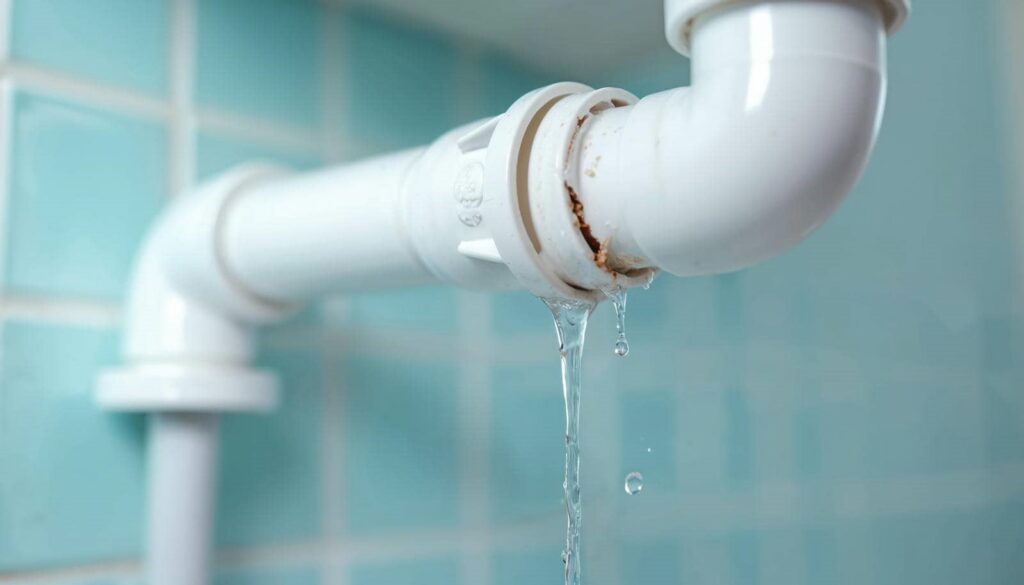
When a pipe bursts, it can cause extensive damage to your property, making it essential to understand the implications of such an event. The burst pipe causes often stem from factors like freezing temperatures, corrosion, or poor installation.
Each pipe material, whether PVC, copper, or galvanized steel, reacts differently under stress. For instance, copper pipes may develop cracks due to high pressure, while PVC pipes can shatter when exposed to extreme cold.
Understanding these differences helps you anticipate potential issues and manage risks effectively. A burst pipe can lead to significant water damage, mold growth, and structural issues, all of which require timely attention.
Importance of Immediate Response
Although delays might seem harmless, responding immediately to a burst pipe is essential to minimizing damage and reducing repair costs.
The moment you detect a leak, initiating an emergency response can prevent water from seeping into walls, floors, and other structural components, which can lead to extensive damage and mold growth.
Timely intervention safeguards your property and protects your health and safety.
Steps Involved in Pipe Repair
To effectively repair a burst pipe, you’ll start with an initial assessment to determine the extent of the damage.
Once you have a clear understanding, you’ll choose the appropriate repair techniques tailored to the specific situation.
Finally, don’t overlook the importance of post-repair cleanup steps to ensure your space is safe and functional.
Initial Assessment Process
How do you ensure a thorough assessment during a burst pipe repair? The initial assessment is vital for effective restoration. Follow these steps to secure a detailed evaluation:
Initial Inspection: Identify the leak source and assess the immediate area for visible damage.
Damage Evaluation: Examine surrounding structures for water damage, including walls, floors, and electrical systems.
Pressure Testing: Conduct tests to determine the severity of the leak and assess the integrity of the pipe.
Documentation: Record findings and take photographs to aid in the repair process and insurance claims.
Repair Techniques Overview
When a burst pipe is identified, timely and effective repair techniques are crucial to restore functionality and prevent further damage.
First, you’ll need to assess the pipe materials to determine the appropriate repair method, whether it’s PVC, copper, or cast iron. Common techniques include pipe patching, relining, or complete replacement, depending on the severity of the damage.
After selecting the method, gather the necessary tools and materials. Make sure you adhere to safety protocols while executing the repair.
Once completed, it’s essential to conduct pressure tests to verify integrity.
Post-Repair Cleanup Steps
After completing the pipe repair, addressing the cleanup process is essential for restoring the work area and preventing future complications. Follow these important post-repair cleanup steps:
Debris Removal: Clear away any leftover materials, including old pipes and insulation, to ensure a safe environment.
Surface Cleaning: Wipe down surfaces affected by the repair with appropriate cleaning solutions to eliminate any contaminants.
Post Repair Inspections: Conduct thorough inspections to confirm the integrity of the repair and check for leaks.
Restoration: Replace any damaged flooring or wall coverings to bring the area back to its original condition.
These steps enhance safety and foster a sense of belonging by ensuring a tidy, functional space.
Cleanup Procedures for Water Damage
Although dealing with water damage can be overwhelming, following a systematic cleanup procedure is vital to restore your space effectively and prevent further issues.
Start by ensuring safety; turn off electricity and wear protective gear. Next, initiate water extraction using pumps and vacuums to remove standing water, as swift action reduces damage.
Once extracted, focus on drying surfaces thoroughly—utilize dehumidifiers and fans to hasten this process.
Inspect for hidden moisture in walls and floors, as any lingering dampness can lead to mold growth. For mold prevention, clean and disinfect affected areas with appropriate solutions, ensuring you address corners and crevices.
Remove and discard any porous materials, like carpets or drywall, that have been severely affected.
Finally, monitor the environment for any signs of mold or moisture, as maintaining vigilance is vital for long-term recovery.
This diligent approach restores your space and provides peace of mind.
Advanced Equipment Used in Restoration
Restoration professionals rely on a variety of advanced equipment to effectively address water damage and expedite the recovery process.
These restoration tools utilize advanced technology, ensuring that the job is done thoroughly and efficiently. Here’s a closer look at some essential equipment:
Moisture Meters: These tools accurately detect moisture levels in walls and floors, allowing for targeted drying.
High-Efficiency Air Movers: Designed to enhance air circulation, they speed up the drying process considerably.
Dehumidifiers: These machines remove excess moisture from the air, preventing mold growth and structural damage.
Thermal Imaging Cameras: These devices identify hidden water leaks and moisture pockets, improving diagnostic accuracy.
Preventative Measures for Future Risks
To minimize the risk of burst pipes and subsequent water damage, it’s crucial to implement effective preventative measures. First, regularly schedule preventative maintenance for your plumbing system. This includes inspecting and servicing pipes, fixtures, and appliances to detect early signs of wear or damage.
Additionally, investing in water monitoring technology can provide real-time data on your plumbing system’s performance. These systems alert you to leaks or irregularities, allowing for prompt action before a minor issue escalates.
Moreover, verify your home’s insulation is adequate, especially in colder climates, to prevent freezing and bursting during winter months.
Finally, maintain ideal water pressure; using a pressure regulator can help avoid stress on your pipes.
Choosing the Right Service Provider
When you’re faced with the aftermath of a burst pipe, choosing the right service provider becomes essential to ensuring a swift and effective repair.
Here are four key factors to evaluate:
Service Qualifications: Verify that the provider holds the necessary licenses, insurance, and certifications to perform repairs safely and effectively.
Experience: Look for companies with a proven track record in handling burst pipe situations. Their expertise can make a significant difference.
Customer Reviews: Read through testimonials and ratings from previous clients. Positive feedback indicates reliability and quality of service.
Response Time: Time is critical in managing water damage. Choose a provider known for prompt responses to emergencies.
Frequently Asked Questions
How Much Do Burst Pipe Repair Services Typically Cost?
Burst pipe repair costs typically range from $300 to $2,000, depending on service factors like the pipe’s location, type of damage, and urgency. You’ll want to obtain multiple quotes for accurate budgeting.
Are Insurance Claims Possible for Burst Pipe Damages?
Yes, you can often secure insurance coverage for burst pipe damages. Charting the claim process may feel like sailing through stormy seas, but with proper documentation, you’ll steer toward compensation and relief.
How Long Does the Repair Process Usually Take?
The repair duration typically ranges from a few hours to several days, depending on the damage’s extent. You’ll want to discuss the project timeline with your contractor to ensure clear expectations and efficient progress.
Can I Prevent Burst Pipes During Winter Months?
You can prevent burst pipes during winter by ensuring proper pipe insulation and winter preparation. Insulate vulnerable pipes, keep your home heated, and let faucets drip to maintain water flow and reduce freezing risks.
What Signs Indicate a Potential Burst Pipe Issue?
You’ll notice signs like unexplained water stains, reduced water pressure, or unusual sounds in your plumbing. Regular leak detection and proactive plumbing maintenance can help you identify these issues before they escalate into a burst pipe.
Review
Addressing burst pipe damage promptly is essential to minimizing long-term effects. Water damage emergencies happen more often than most people realize, making swift action and professional intervention essential to protect your property and limit further issues. By understanding the repair and cleanup processes, utilizing advanced restoration equipment, and choosing the right service provider, you can effectively safeguard your property and prevent future incidents. Prioritizing these steps ensures a safe, habitable environment.
Recent Posts
Health Risks of Sewage Backup: What Property Owners Should Know
If you own a property, you need to treat sewage backup as an immediate health
How to Clean Up Sewage Safely—and When to Call a Professional
Clean up sewage safely by starting with the right precautions before touching a single contaminated
Sewage Backup in Your House? Here’s What Happens Next
If sewage backs up in your house, you need to act fast before the damage