
Contents
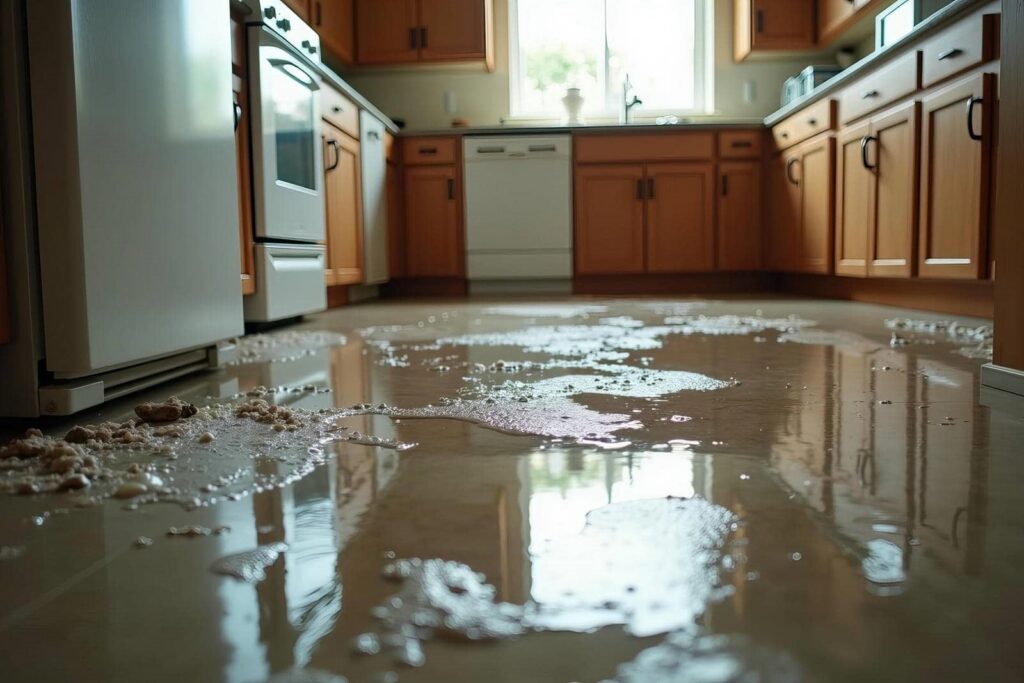
Emergency Water Damage can escalate quickly, turning a minor leak into a significant issue within hours. It’s essential to act fast and follow best practices to effectively manage the situation. From evaluating the damage to choosing the right restoration service, each step plays an important role in minimizing impact. Understanding these fundamental practices can make all the difference when disaster strikes. Let’s explore how you can safeguard your property and ensure a swift recovery.
Key Takeaways
- Identify and assess the source of water damage using moisture meters and thermal imaging for accurate evaluation.
- Prioritize safety by checking for electrical hazards and addressing mold growth within 24-48 hours.
- Utilize dehumidifiers and fans strategically to ensure effective and rapid structural drying.
- Choose a qualified restoration service with expertise, certifications, and positive customer feedback.
- Implement preventive measures like waterproofing and regular inspections to reduce future water damage risks.
Understanding Water Damage: How to Assess Its Impact
How can you accurately assess the impact of water damage in your property? Start with water source identification; locating the source is essential for effective remediation. Look for visible leaks, damp spots, or moisture build-up.
Once identified, employ damage assessment techniques such as moisture meters and thermal imaging cameras. These tools enable you to gauge the extent of water intrusion and detect hidden moisture.
Inspect affected materials, like drywall and flooring, to determine if they’re salvageable or need replacement. Document your findings with photos and notes, as this will aid in insurance claims and restoration efforts.
Water Damage: Prioritizing Safety and Health Risks
After evaluating the impact of water damage, prioritizing safety and health risks becomes essential.
First, assess for mold growth, which can develop within 24 to 48 hours in damp environments. If you notice any signs, it’s vital to address it promptly to prevent health issues like respiratory problems or allergies.
Next, consider electrical hazards. Water can compromise electrical systems, so make sure you disconnect power sources before entering affected areas.
Use a multimeter to check for live wires, and avoid stepping in water if you suspect electrical issues.
Effective Structural Drying Techniques
To effectively mitigate water damage, it’s vital to implement proper structural drying techniques as soon as possible.
Start by utilizing efficient dehumidification methods, such as refrigerant or desiccant dehumidifiers, to extract moisture from the air.
Next, focus on airflow management; strategically position fans to create cross-ventilation, enhancing evaporation from wet surfaces.
Ascertain that air circulates freely by removing obstructions around affected areas.
It’s also essential to monitor humidity levels regularly, adjusting your dehumidifiers and fans accordingly.
By combining these techniques, you’ll expedite the drying process, reduce the risk of mold growth, and restore your space more effectively.
How to Choose a Restoration Service That Works for You?
When facing water damage, which restoration service truly meets your needs? Start with a service evaluation to determine their expertise and response time.
Look for companies that specialize in emergency water damage restoration, as they’ll have the right equipment and training.
Next, plunge into customer reviews; they offer valuable insights into the reliability and effectiveness of the service. Pay attention to feedback on communication, professionalism, and overall satisfaction.
It’s also wise to check for certifications and insurance to ensure you’re dealing with a reputable provider.
Finally, don’t hesitate to ask for references from past clients. Making an informed choice will help you feel confident and supported during this challenging time.
Preventing Future Water Damage Incidents
Although water damage can strike unexpectedly, taking proactive steps can greatly reduce the risk of future incidents. Start by investing in quality waterproofing solutions for your property. This includes sealing leaks, installing sump pumps, and using moisture barriers in vulnerable areas.
Next, schedule routine inspections of your plumbing and roofing systems. Look for signs of wear or potential leaks, addressing issues before they escalate. Confirm gutters and downspouts direct water away from your foundation, and regularly clean them to prevent blockages.
Additionally, consider installing water detection devices that alert you to leaks early on. By implementing these strategies, you’ll foster a safer environment, protect your investments, and create a sense of security for you and your loved ones.
Frequently Asked Questions
How Long Does Water Damage Restoration Typically Take?
Water damage restoration typically takes 3 to 7 days, depending on the severity. The drying process is vital; professionals assess the restoration timeline based on moisture levels, materials affected, and ventilation to ensure thorough recovery.
Will Insurance Cover All Water Damage Restoration Costs?
Many homeowners face unexpected water damage costs. Your insurance coverage might not cover everything, depending on the cause. Always check your policy details to ensure you’re prepared for potential out-of-pocket expenses.
Can I Handle Water Damage Restoration Myself?
You can tackle DIY restoration, but prioritize safety precautions. Wear protective gear, ensure proper ventilation, and assess the damage thoroughly. If it’s extensive, consider professional help to avoid potential health hazards and further complications.
What Equipment Is Used in Water Damage Restoration?
In water damage restoration, you’ll need equipment like water extraction pumps for removing excess water and moisture meters to assess dampness levels. These tools help ensure you effectively address and manage the restoration process.
How Can I Identify Hidden Water Damage in My Home?
Think of your home as a ship—hidden leaks can sink it. To identify moisture, use a moisture detection meter, inspect walls for discoloration, and check for musty odors. Stay vigilant to protect your space.
Summary
Swift and strategic steps can save your space from significant suffering due to water damage. By evaluating the situation, prioritizing safety, employing effective drying techniques, selecting a skilled service, and securing safeguards against future incidents, you can conquer chaos. Remember, being proactive and prepared paves the path to preservation. In the face of water woes, your informed actions will ensure a safer, drier tomorrow. Stay vigilant and safeguard your surroundings!
Recent Posts
What to Know About Emergency Water Damage Restoration?
Emergency Water Damage requires immediate attention and a structured response to prevent further property damage.
Steps for Emergency Water Damage Restoration
When faced with emergency water damage, your first priority is to ensure safety. You need
3 Key Tips for Business Water Damage Recovery
Did you know that many small businesses never reopen after experiencing significant water damage? Understanding