
Contents
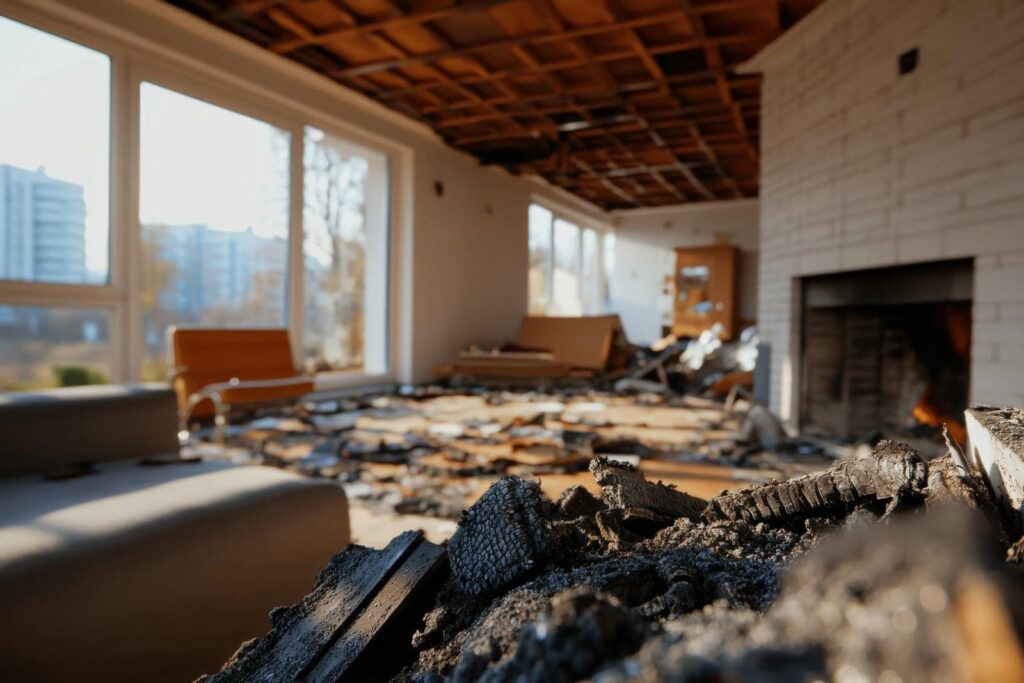
When facing fire and water damage, it’s vital to approach recovery with a strategic mindset. You’ll need to assess the situation, prioritize safety, and document everything for your insurance. Engaging professionals is often a smart choice to avoid costly errors. But how can you ensure you’re reacting to damage and proactively preventing future issues? Let’s explore essential strategies that can guide you through this challenging process.
Key Takeaways
- Document all damage with photos and notes to facilitate recovery and insurance claims.
- Ensure safety by checking for hazards and wearing protective gear during the recovery process.
- Engage professionals for thorough damage assessment and repairs to prevent costly mistakes.
- Create an inventory of damaged items, noting their values for insurance purposes.
- Establish regular maintenance routines to prevent future fire and water damage issues.
How to Assess Fire and Water Damage?
How can you effectively assess the damage from a fire or water incident? Start by documenting everything. Take photos and notes to create a clear record of the damage, which is essential for your recovery process.
Next, identify the affected areas—check walls, floors, and belongings. Look for hidden damage that mightn’t be immediately visible, such as mold or structural issues.
Engage professionals if needed; they can provide a thorough damage assessment and guide you through the intricate details. Remember, it’s okay to feel overwhelmed; you’re not alone in this. Connecting with others who’ve faced similar challenges can offer support.
Immediate Steps to Ensure Safety After Damage
After evaluating the damage, your immediate priority should be ensuring safety in your environment.
Start by reviewing any potential hazards, like exposed wires or structural instability. Take necessary safety precautions, such as wearing protective gear if you need to enter the affected areas.
If you notice any dangerous situations, don’t hesitate to call emergency services for assistance. They can help secure the area and provide guidance on next steps.
Keep in mind that your well-being is vital during this stressful time. Communicate with family or friends about your situation; sharing your experience can foster a sense of belonging and support.
Why You Should Call in the Experts for Repairs
While it might be tempting to tackle repairs on your own, calling in the experts can save you time, money, and stress in the long run.
Professionals bring invaluable expert advice, ensuring your home is restored correctly and safely. They understand the complexities of fire and water damage, which can lead to unseen issues if not handled properly.
Attempting repairs alone may result in costly mistakes or even pose health risks. By utilizing professional services, you benefit from their expertise and access to specialized equipment.
You’ll also gain peace of mind knowing that your home is in capable hands. Ultimately, relying on experts fosters a sense of community and support during a challenging time, helping you rebuild your life more effectively.
How to Document Damage for Insurance Claims
When disaster strikes and you’ve experienced fire or water damage, documenting the extent of that damage for your insurance claim is essential.
Start with a thorough damage assessment; take clear, detailed photos of affected areas, including furniture and personal items. Note the dates and times of your observations, as this information will strengthen your claim documentation.
Create an inventory list of damaged items and their approximate values to support your case. If repairs have begun, keep all receipts and invoices, which can be crucial for reimbursement.
Tips to Prevent Future Damage Issues
Once you’ve documented your damage for insurance purposes, it’s important to focus on prevention to avoid future incidents. Implementing preventive measures is key to safeguarding your home.
Start by establishing regular maintenance routines; check your smoke detectors and replace batteries as needed. Inspect plumbing for leaks and ensure proper drainage around your property.
Additionally, consider fire-resistant materials for construction and landscaping. Clear away debris and flammable materials from your home’s perimeter.
Educate your family about emergency procedures and create an evacuation plan. By taking these proactive steps, you protect your home and foster a sense of security and belonging within your community.
Frequently Asked Questions
How Long Does the Recovery Process Typically Take?
Typically, the recovery timeline varies from days to months, depending on damage assessment findings. You’ll want to stay patient and focused, as thorough evaluations will guide you through the necessary steps toward recovery and restoration.
Can I Stay in My Home During Repairs?
You can’t always stay during repairs; “better safe than sorry.” Assess safety concerns first, then consider stay duration. If hazards exist, it’s wise to find temporary housing. Your well-being should come first, always.
What Are Common Health Risks After Fire or Water Damage?
After fire or water damage, you face common health risks like mold exposure and smoke inhalation. It’s vital to address these hazards promptly to protect your well-being and maintain a safe, healthy living environment.
Will My Insurance Cover All Recovery Costs?
Your insurance policy might not cover all recovery costs. Check your coverage limits carefully; they often vary. Understanding these details helps you prepare and ensures you’re not left with unexpected expenses during this challenging time.
How Can I Find a Reliable Restoration Contractor?
To find a reliable restoration contractor, balance contractor qualifications with their restoration services. Check reviews, ask for credentials, and seek recommendations. You deserve someone who understands your needs and can restore your home effectively.
Wrap-Up
Recovering from fire and water damage requires vigilance and action. You need to assess the damage, ensure your safety, and document everything for insurance. You must also call in experts to handle repairs and prevent future issues. By taking these steps, you’re not just restoring your home; you’re safeguarding your peace of mind. Remember, it’s about resilience in the face of adversity, preparation for the future, and creating a safe environment for you and your family.
Recent Posts
What Steps to Follow for Commercial Flood Cleanup?
Commercial Flood Cleanup requires a structured approach to protect your property, employees, and business operations.
What to Know About Emergency Water Damage Restoration?
Emergency Water Damage requires immediate attention and a structured response to prevent further property damage.
Steps for Emergency Water Damage Restoration
When faced with emergency water damage, your first priority is to ensure safety. You need