
Contents
When unforeseen events disrupt your business, it’s essential to address the aftermath with care. Understanding the nuances of fire and water restoration can greatly impact your recovery process. It’s not just about fixing what’s broken; it’s about safeguarding your future. How you respond can determine the difference between a minor setback and a prolonged struggle. So, what steps should you take to ensure a swift and effective restoration?
Key Takeaways
- Engage restoration professionals immediately to minimize damage and prevent further loss from fire or water incidents.
- Conduct thorough assessments to document damage and identify affected areas for effective insurance claims processing.
- Choose a certified restoration company with a proven track record and prompt response times to ensure quality service.
- Implement proactive fire prevention measures, such as installing smoke detectors and conducting regular safety drills for employees.
- Develop a comprehensive business continuity plan that includes emergency response strategies and regular risk assessments to enhance resilience.
What Causes Fire and Water Damage to Businesses?
When you consider the potential threats to your business, understanding what causes fire and water damage is vital.
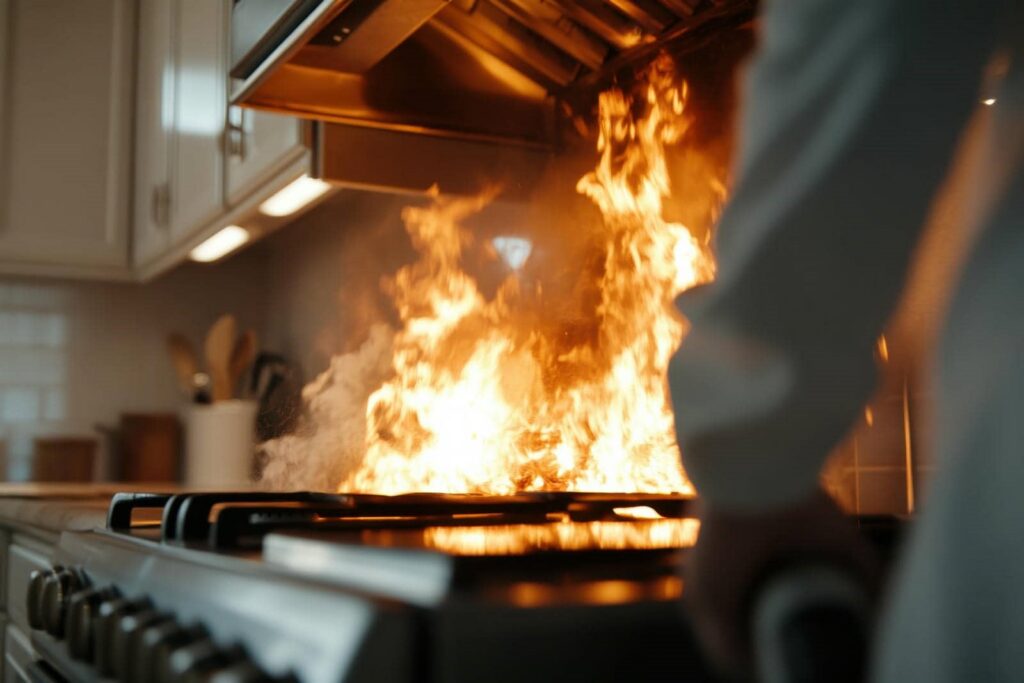
Fire causes can range from faulty wiring and equipment to human error, such as leaving flammable materials unattended. It’s important to regularly inspect your premises and ensure compliance with fire safety regulations to mitigate these risks.
On the other hand, water sources that lead to damage often include burst pipes, leaks from roofs, or even flooding from heavy rains.
Being proactive in identifying these hazards can make a significant difference in protecting your investment.
The Importance of Immediate Response in Restoration Efforts
Acting quickly after fire or water damage can be the difference between minor repairs and extensive reconstruction. Your immediate action minimizes damage and markedly shortens the restoration timeline.
When you respond swiftly, you protect your business assets and maintain a sense of stability for your employees and customers. Delays can lead to mold growth, structural issues, and increased costs, making it essential to engage restoration professionals right away.
Essential Steps for Assessing Fire and Water Damage
Evaluating fire and water damage is essential for determining the extent of repairs needed and planning your next steps.
Start with a thorough fire damage assessment, checking for structural integrity, smoke damage, and hazardous materials. Document everything with photos for insurance purposes.
Next, conduct a water damage evaluation, identifying affected areas and sources of moisture. Look for signs of mold growth and assess the impact on your property’s structure and contents.
As you navigate this process, remember that you’re not alone. Many business owners face similar challenges, and reaching out for support can ease your burden.
Choosing the Right Fire and Water Damage Restoration Company
When choosing a fire and water damage restoration company, it’s essential to verify their certifications and licenses to make certain they meet industry standards.
Consider their response time, as prompt action can greatly reduce damage and costs.
Finally, evaluate the equipment and techniques they use to assure effective restoration for your business.
Verify Certifications And Licenses
Before you choose a fire and water damage restoration company, it’s essential to verify their certifications and licenses. This step ensures that they meet industry certification requirements, which reflect their knowledge and adherence to best practices.
Look for companies certified by reputable organizations, as this indicates a commitment to quality and professionalism.
Additionally, conducting licensing verification is vital; it confirms that the company operates legally within your state. A licensed contractor is more likely to follow local regulations and safety standards, giving you peace of mind.
Assess Response Time
How quickly can a fire and water damage restoration company respond to your emergency? When disaster strikes, every minute counts. A timely response can mitigate damage and save your business from further loss.
Start with a response time evaluation—ask potential companies how quickly they can reach your site. Look for those that promise a rapid assessment to determine the extent of damage and plan immediate action.
These factors are essential; a quick response isn’t just about speed, it’s also about ensuring that your business can recover as smoothly as possible.
Evaluate Equipment And Techniques
While you assess your options for a fire and water damage restoration company, it’s crucial to evaluate their equipment and techniques. The right tools and methods can make all the difference in restoring your business efficiently and effectively.
Consider these factors:
Equipment Types: Look for advanced machinery such as industrial dehumidifiers and thermal imaging cameras, which can greatly enhance restoration efforts.
Restoration Methods: Ask about their approach—do they use environmentally friendly solutions? How do they ensure thorough drying and sanitization?
Training and Expertise: Verify the team is certified and experienced in using the latest equipment and restoration techniques.
Essential Equipment for Effective Restoration
When it comes to restoring your business after fire or water damage, having the right equipment is essential.
Water extraction equipment and air drying machines can make a significant difference in how quickly and effectively you recover.
Understanding their importance helps you ensure a smoother restoration process and minimize disruption to your operations.
Water Extraction Equipment
Effective water extraction is crucial for restoring businesses after a flood or leak.
To ensure successful water removal, you’ll need the right equipment. Here are three critical tools to evaluate:
Submersible Pumps: Ideal for quickly removing large volumes of standing water.
Wet/Dry Vacuums: Versatile for various extraction methods, these vacuums can handle both water and debris.
Dehumidifiers: While not extraction equipment per se, they’re essential for drying out remaining moisture after initial removal.
Air Drying Machines
Air drying machines play a pivotal role in restoring businesses after water damage, as they efficiently remove residual moisture from affected areas.
By employing advanced air drying techniques, these machines ensure thorough moisture control, preventing mold growth and structural damage.
You’ll find that using air drying machines accelerates the restoration process and contributes to a healthier environment for your team and customers.
With various models available, it’s essential to choose the right machine for your specific needs.
Remember, timely and effective drying can make all the difference in returning your business to normalcy.
Investing in quality air drying equipment demonstrates your commitment to maintaining a safe and welcoming space for everyone involved.
How to Navigate Insurance Claims?
Steering through insurance claims after a fire or water damage can feel overwhelming, especially when you’re trying to manage the recovery of your business.
To simplify this process, follow these steps:
Insurance Policy Review: Start by thoroughly reviewing your policy. Understand what’s covered and any limits or exclusions.
Claim Documentation Tips: Document everything—take photos, list damaged items, and keep receipts. This evidence helps substantiate your claim.
Communicate with Your Adjuster: Stay in regular contact with your insurance adjuster. Clear communication ensures you’re both on the same page and can expedite the process.
Common Mistakes to Avoid During Restoration
Maneuvering the restoration process after a fire or water damage can be just as intimidating as handling the insurance claims. One common mistake is delaying the damage assessment; addressing issues promptly can greatly influence restoration timelines.
Don’t underestimate the importance of hiring professionals who can accurately evaluate the extent of the damage.
Another pitfall is overlooking the importance of documentation. Keep thorough records of everything from damage assessments to communication with contractors. This will help streamline the process and support your insurance claims.
Finally, avoid jumping into repairs before understanding the full scope of the damage, as this can lead to further complications.
Preventative Measures to Protect Your Business
While you can’t always predict when disaster will strike, implementing preventative measures can greatly safeguard your business from fire and water damage.
Taking proactive steps protects your assets and fosters a sense of community among your team.
Here are three essential measures to contemplate:
Fire Prevention: Install smoke detectors, maintain fire extinguishers, and conduct regular fire drills to ensure everyone knows what to do in an emergency.
Water Mitigation: Regularly inspect plumbing, install sump pumps, and keep drainage systems clear to prevent water accumulation.
Employee Training: Educate your staff about safety protocols related to fire and water emergencies, creating a culture of awareness and preparedness.
How Professional Cleanup Safeguards Your Health
After a fire or water incident, professional cleanup isn’t just about restoring your property; it’s crucial for safeguarding your health. Neglecting this step can expose you to serious health risks.
Mold growth can thrive in damp environments, leading to respiratory issues and allergies. Poor air quality resulting from smoke or water damage can also affect everyone in your business.
Additionally, chemical exposure from cleaning agents or burnt materials can have long-term effects on your well-being. Ensuring the structural integrity of your space is essential, as hidden damage can create ongoing hazards.
By opting for professional services, you reclaim your environment and protect yourself and your team from potential health dangers.
Prioritize your health; it’s worth it.
Planning for Business Continuity After Restoration
After restoration, it’s essential to assess risks and develop strategies to ensure your business can withstand future challenges.
You’ll want to create an emergency response plan and establish clear communication protocols to keep your team informed.
Risk Assessment Strategies
Understanding the potential risks your business faces during the restoration process is essential for ensuring continuity.
By implementing effective risk assessment strategies, you can safeguard your operations and foster a sense of security among your team.
Consider these key steps:
Risk Identification Techniques: Use brainstorming sessions and checklists to pinpoint specific risks related to fire or water damage.
Hazard Evaluation Methods: Assess the likelihood and impact of identified risks to prioritize your response efforts.
Continuous Monitoring: Regularly review and update your risk assessments to adapt to changing circumstances.
Emergency Response Planning
While unexpected disasters can disrupt your business operations, having a solid emergency response plan can greatly enhance your resilience.
You’ll want to form dedicated response teams that are well-trained and ready to act swiftly. Regular emergency drills will keep everyone sharp and aware of their roles during a crisis. This proactive approach minimizes damage and fosters a sense of belonging among your team as they work together towards a common goal.
Communication Protocols Development
Effective communication protocols are essential for maintaining business continuity after a disaster strikes. By developing clear protocols, you can ensure your team stays informed and connected.
Here are three key steps to reflect on:
Establish Clear Channels: Define how information will flow during and after restoration. Use tools like email, messaging apps, or dedicated communication platforms.
Implement Training Programs: Conduct regular communication training sessions to familiarize your team with these protocols, ensuring everyone understands their roles.
Review and Update: Regularly evaluate and adjust your communication strategies based on feedback and evolving needs.
Frequently Asked Questions
How Long Does the Restoration Process Typically Take?
The restoration timeline usually spans days to weeks, depending on damage severity. You’ll start with a thorough damage assessment to determine the necessary steps, ensuring a tailored approach that meets your specific needs and concerns.
Will My Business Operations Be Interrupted During Restoration?
Yes, your business operations might be interrupted during restoration. However, with proper restoration planning, you can minimize downtime and maintain business continuity, ensuring your team stays connected and supported throughout the process.
Can I Clean up Damage Myself Before Professionals Arrive?
Absolutely, you can start cleanup yourself! Just remember, have you considered the right DIY precautions? Use proper cleanup techniques and protective gear to avoid injury. However, it’s essential to wait for professionals for thorough restoration.
What Should I Do With Damaged Inventory?
Assess your inventory immediately to determine what’s salvageable. Explore options for restoration or disposal based on damage severity. Prioritize items that can be cleaned or repaired, ensuring you’re making informed decisions for your business’s future.
Are There Any Long-Term Effects of Fire or Water Damage?
“An ounce of prevention’s worth a pound of cure.” Fire or water damage can have long-term consequences, including compromised structural integrity. You need to address these issues promptly to ensure safety and maintain your property’s value.
Final Thoughts
In the face of fire and water damage, remember that “an ounce of prevention is worth a pound of cure.” By acting swiftly and engaging professional restoration services, you can minimize losses and protect your business’s future. Regular training and proactive measures safeguard your assets and ensures employee safety. Prioritizing effective restoration keeps your operations running smoothly, allowing you to bounce back stronger and more resilient when disaster strikes.
Recent Posts
Key Strategies for Business Recovery After Fire
Business Recovery After Fire begins with a structured plan that focuses on safety, damage assessment,
How to Create an Emergency Water Damage Plan
Emergency Water Damage can disrupt your business quickly, making a proactive response plan essential for
10 Best Business Continuity Strategies After Fire Damage
Imagine the charred remains of a once-thriving business, now reduced to ashes and uncertainty. After