
Contents
After a flood, prioritizing safety, evaluating damage, and acting quickly can make all the difference. You’ve got to ensure your safety first, gather the right tools, and know the best emergency cleanup techniques. Understanding these steps can help you navigate this challenging situation with confidence. But what should you do first, and which tools are essential for effective cleanup? Let’s explore the top emergency solutions that can aid you in this critical time.
Key Takeaways
- Prioritize safety by wearing protective gear and waiting for official clearance before entering flooded areas.
- Use high-capacity wet/dry vacuums and submersible pumps for efficient water removal.
- Document all damages for insurance claims while salvaging valuable items.
- Clean and disinfect all surfaces thoroughly to prevent mold growth post-flood.
- Consider hiring professional cleanup services for extensive damage or hazardous materials handling.
Immediate Steps to Take After a Flood
When you find yourself facing the aftermath of a flood, it’s essential to act quickly and safely.
Prioritize your safety; if the area is still flooded, wait for official clearance before entering. Once it’s safe, assess the damage carefully. Document everything for insurance claims as you go.
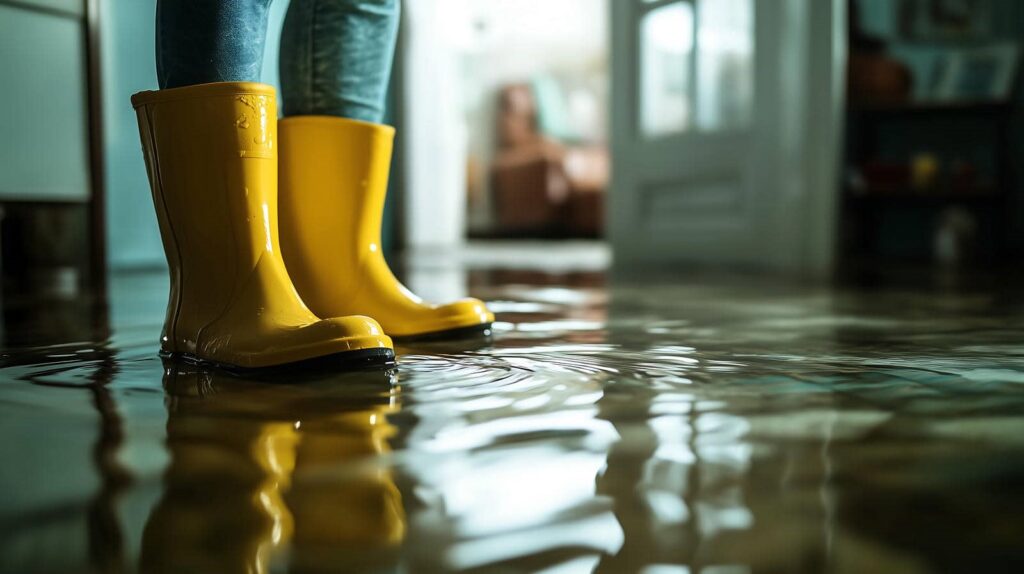
Use flood safety precautions—wear protective gear, including boots and gloves, to avoid contamination.
Reach out to recovery resources such as local aid organizations or community centers for assistance and guidance. They can provide you with crucial information on rebuilding and recovering.
Connecting with others who share similar experiences can also offer emotional support. Remember, you’re not alone in this; together, you can navigate the challenges ahead.
Must-Have Tools for Flood Cleanup
Equipping yourself with the right tools is crucial for effective flood cleanup. Start with a high-capacity wet/dry vacuum for efficient water extraction; this’ll help you remove standing water quickly.
You’ll also need a reliable submersible pump to tackle deeper water levels. Don’t forget heavy-duty fans and dehumidifiers to dry out affected areas and prevent mold growth.
For mold remediation, invest in protective gear like gloves and masks, as safety is paramount. A sturdy mop, bucket, and sponge are essential for cleaning surfaces, while disinfectants will ensure you eliminate harmful bacteria.
Finally, have trash bags ready for debris disposal. With these tools, you’ll not only make the cleanup process smoother but also create a safer environment for everyone involved.
DIY Flood Cleanup Techniques: Step-by-Step Guide
After gathering the right tools for flood cleanup, it’s time to put them to use with a structured approach.
First, ensure your safety by wearing protective gear and turning off electricity in affected areas.
Next, remove standing water using a pump or wet vacuum. Focus on salvaging valuable items and document damages for insurance claims.
Once the water’s gone, thoroughly clean and disinfect surfaces to prevent mold growth. Use dehumidifiers and fans to dry out the area, as this is vital for mold prevention.
Finally, regularly check for any signs of moisture or mold in the following weeks.
You’re not alone in this process; reach out to neighbors or community resources for support during your cleanup journey.
Professional Flood Cleanup Services: When to Call for Help?
How do you know when it’s time to call in the professionals for flood cleanup? If the water level exceeds a few inches or lingers for more than 24 hours, it’s vital to seek help.
When you notice signs of mold or structural damage, don’t hesitate to reach out to restoration services. Your health and safety are paramount, and professionals have the expertise to handle hazardous materials and ensure thorough drying.
If you feel overwhelmed by the extent of the damage or lack the right equipment, it’s a clear sign that you need assistance.
Flood Damage Prevention Tips for Homeowners and Businesses
Flooding can be devastating, but taking proactive measures can greatly reduce the risk of damage to your home or business. Start by securing flood insurance; this can be a lifesaver, providing financial support during tough times.
Next, consider property elevation—raising your building above potential flood levels can make a significant difference. Make sure your gutters and drains are clear to efficiently redirect water away from your property.
Installing sump pumps and backflow valves can further protect against unexpected water intrusion. Finally, stay informed about weather forecasts and local alerts.
Frequently Asked Questions
How Can I Assess the Extent of Flood Damage?
To assess flood damage, you’ll use flood assessment techniques like visual inspections and moisture readings. Employ damage evaluation methods, documenting affected areas. Take your time—this process ensures you capture all necessary details for recovery efforts.
What Health Risks Are Associated With Floodwaters?
Floodwater can contain harmful contaminants like bacteria and chemicals, posing serious health risks. You should take health precautions, such as avoiding contact, wearing protective gear, and seeking medical advice if exposed to ensure your safety.
How Long Does It Take for a Home to Dry Out?
It typically takes several days to weeks for your home to dry out completely. The drying process depends on moisture levels, ventilation, and temperature. You’ll need patience and careful monitoring to ensure a thorough recovery.
Will Homeowners Insurance Cover Flood Cleanup Costs?
Homeowners insurance typically doesn’t cover flood cleanup costs unless you’ve got flood insurance policies. Check your policy’s coverage limits carefully, as they determine what’s included and what you might need to pay out-of-pocket.
What Should I Do With Contaminated Items After a Flood?
After a flood, treat contaminated items like fallen soldiers—carefully assess each for flood damage. Dispose of them responsibly, following local guidelines, to ensure safety and reclaim your space, restoring peace in your home.
Conclusion
After a flood, the contrast between chaos and recovery can feel overwhelming. By taking immediate, methodical steps, you can transform a waterlogged space into a safe haven. Remember, safety is paramount; wait for clearance before entering. Equip yourself with essential tools, and don’t hesitate to document damages for insurance. As you clean and dry, envision the restoration of your environment. If the task becomes too challenging, reaching out for professional help can bridge the gap between despair and hope.
Recent Posts
Water Mitigation vs Restoration: Understanding the Difference
When water damage hits, you need to know whether you’re dealing with mitigation or restoration,
How Quickly Does Mold Grow After Water Damage in Your Home?
You might assume mold takes weeks to appear, but after water damage it can start
What to Do After Water Damage: A Homeowner’s Action Plan
The fastest response after water damage is often the one that prevents the worst loss.