
Contents
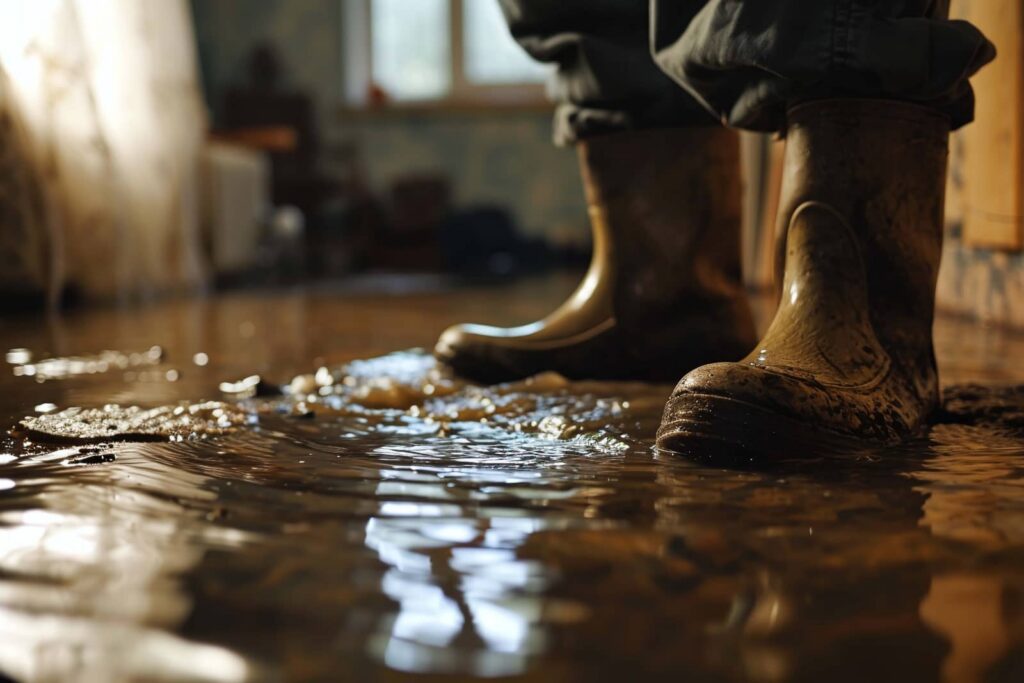
To Dry Out Water Damage, you first need to stop the water source and remove standing water as quickly as possible. Then push air across wet surfaces and use dehumidifiers to pull moisture from walls, floors, and hidden cavities. You should also check porous materials, because some may not dry properly or recover cleanly. The key is finding and addressing moisture that remains below the surface before it leads to further damage. The real issue often starts after the visible water is gone, and what happens next can determine whether you face a simple cleanup or a larger problem.
Key Takeaways
- Shut off the water source and electricity to stop further damage and keep the area safe.
- Remove standing water quickly with a pump, wet/dry vacuum, or mop.
- Increase airflow with fans and open doors to dry wet surfaces faster.
- Use dehumidifiers with closed windows and doors to pull moisture from the air.
- Prevent mold by drying fast, removing wet porous items, and monitoring for musty odors.
Stop the Water Source
Before you dry out water damage, stop the water source right away. You’ll protect your home and keep your crew on track by shutting off the main valve, closing fixture valves, or cutting power to the affected area if needed.
If a supply line, appliance, or roof leak is involved, isolate it immediately and confirm the flow has stopped. Check nearby rooms, crawl spaces, and ceilings for hidden seepage so you don’t miss an active source.
This first step matters in how to dry out water damage because ongoing moisture slows drying and raises repair costs.
Once the source is secure, you can work methodically with confidence, knowing you’re preventing further spread and giving your space the best chance to recover fast.
Remove Standing Water Fast
Get standing water out as quickly as possible, because every minute it remains, it can soak deeper into drywall, flooring, and subfloors.
You should use a wet/dry vacuum, pump, or mop to remove it from the most affected areas first, then work toward cleaner edges. If the volume is heavy, empty containers often so you can keep moving without delay.
Remove rugs, portable items, and furniture bases so you can reach hidden pockets of water. Check under cabinets, around trim, and inside low spots where water collects.
Keep your tools organized and your path clear so you can work safely and steadily. Acting fast helps your space recover and puts you in control with the rest of your team.
Dry Water Damage With Strong Airflow
Once you’ve removed the standing water, set up strong airflow to speed evaporation from floors, walls, and trim.
Position box fans or air movers so they push air across wet surfaces, not straight into corners. Open interior doors and cabinet fronts to let air reach hidden edges and baseboards.
Lift rugs, move furniture away from walls, and separate stacked items so both sides can dry. If you’re working with a team, coordinate fan placement so each room gets consistent circulation and no damp pocket gets missed.
Check that vents and returns aren’t blocked. Run the airflow continuously and inspect surfaces every few hours for cool, damp, or swollen areas.
Good airflow helps your space dry faster and keeps you ahead of secondary damage.
Use Dehumidifiers to Pull Out Moisture
Set up one or more dehumidifiers as soon as airflow is running to pull excess moisture out of the air and accelerate drying in walls, floors, and contents.
Choose units sized for the room and the damage level, and keep doors and windows closed so humid air doesn’t keep returning.
Place each unit where it can circulate freely, then empty the reservoir or route a drain hose so it can run continuously.
Check the relative humidity daily and aim for a controlled drop, not a rapid spike in dryness.
If you’re drying a larger area, use multiple units and balance them with fans for steady results.
This method helps your crew stay organized, protect materials, and move the space back toward normal faster and with less risk of secondary damage.
Check for Hidden Moisture in Walls and Floors
Even when surfaces feel dry, moisture can remain trapped inside walls, subfloors, and baseboards, so you need to check hidden areas before closing up the space.
Use a moisture meter to compare damaged spots with dry areas nearby, then map any elevated readings. Feel along trim, corners, and wall cavities for coolness, softness, or swelling.
- Probe baseboards and drywall edges
- Test floorboards at seams and joints
- Inspect behind furniture and appliances
- Recheck readings after airflow runs
If readings stay high, keep drying equipment in place and expand your inspection zone.
You’re part of a careful team when you verify every hidden surface, because thorough checks help you stop concealed dampness from turning into structural damage or mold.
Clean and Salvage Water-Damaged Materials
Sort and clean salvageable materials before you move them back into the space, because dirt, contamination, and lingering moisture can keep damage spreading.
You should separate nonporous items, like metal and plastic, from porous ones, like fabric and paper.
Wash hard surfaces with mild detergent and clean water, then dry them completely with towels or airflow.
For upholstery, rugs, and documents, evaluate whether cleaning will truly restore function and safety.
Remove mud, grime, and residues promptly, since they trap moisture and interfere with drying.
Keep damaged items on clean, dry supports so you’re not reintroducing water from the floor.
Label what you save, discard, or isolate, and work methodically so your team stays organized, confident, and aligned throughout recovery.
Prevent Mold After Water Damage
To prevent mold after water damage, you need to dry the space fast and keep moisture levels low until every affected material is stable. You’ll protect your home by controlling humidity, removing wet porous items, and verifying dryness with a moisture meter.
Run dehumidifiers, increase airflow, and keep HVAC filters clean. If you smell a musty odor, inspect hidden cavities, baseboards, and insulation right away.
- Extract standing water immediately.
- Open walls only when needed for drying.
- Sanitize hard surfaces after drying.
- Monitor damp readings daily.
When you act methodically, you reduce mold risk and help your household stay safe, comfortable, and in control.
If materials stay wet beyond 24 to 48 hours, call a pro.
Final Thoughts
Stop the water source, remove standing water quickly, and dry the area with fans and dehumidifiers. Check walls, floors, and hidden spaces for trapped moisture, because water damage can spread like a silent leak behind the walls. Clean salvageable materials, discard saturated porous items, and keep humidity low to prevent mold. When you act methodically and fast, you reduce secondary damage and help the space dry safely.
Recent Posts
Health Risks of Sewage Backup: What Property Owners Should Know
If you own a property, you need to treat sewage backup as an immediate health
How to Clean Up Sewage Safely—and When to Call a Professional
Clean up sewage safely by starting with the right precautions before touching a single contaminated
Sewage Backup in Your House? Here’s What Happens Next
If sewage backs up in your house, you need to act fast before the damage