
Contents
When you face fire and smoke damage, it’s essential to approach smoke cleanup systematically. Start by evaluating the extent of the damage and prioritizing your tasks accordingly. Gathering the right cleaning supplies, like vinegar and baking soda, can make DIY methods effective and economical. However, for larger issues, understanding cost-effective professional services may be your best bet. Let’s explore how you can maximize your efforts while keeping expenses in check.
Key Takeaways
- Assess damage thoroughly and prioritize cleanup tasks based on severity to manage costs effectively.
- Utilize DIY cleanup techniques with common household items like vinegar and baking soda to reduce expenses.
- Seek affordable professional restoration services that offer free estimates and use eco-friendly products.
- Review your insurance policy to ensure coverage for fire and smoke damage, documenting all losses accurately.
- Implement preventative measures, such as installing smoke detectors and maintaining fire safety protocols, to minimize future risks.
Assessing the Damage and Planning Your Cleanup
When you face fire or smoke damage, it’s essential to assess the situation thoroughly before diving into cleanup. Start by identifying the affected areas walls, ceilings, and floors while noting any structural damage. Document everything with photographs for insurance claims. This damage assessment will guide your cleanup planning.
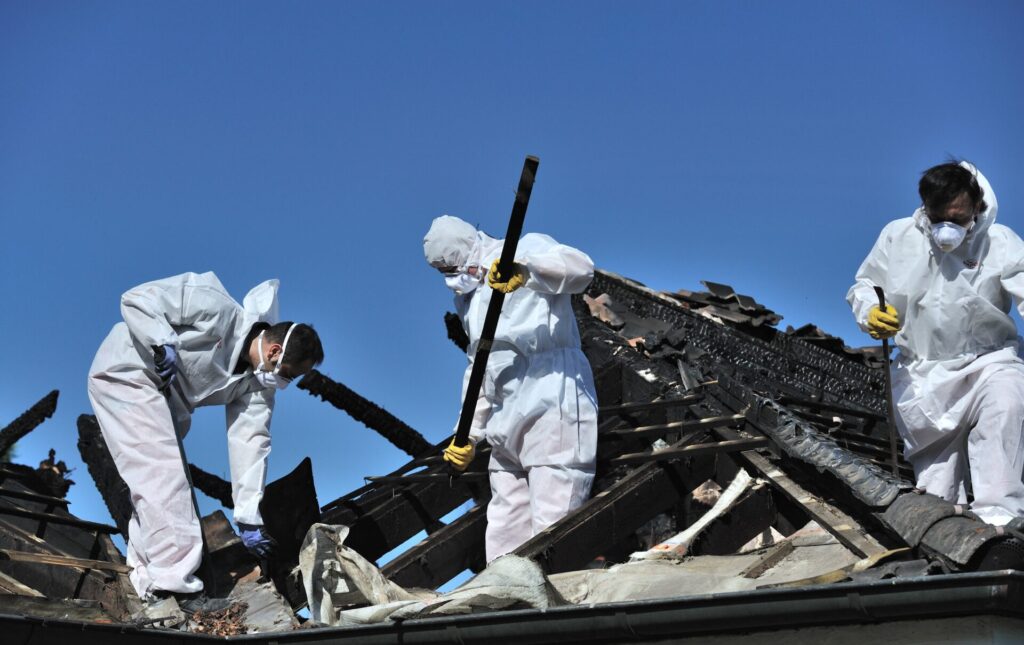
Next, prioritize the cleanup tasks based on severity. If the damage is extensive, you may need to enlist professional help for safe removal of debris and hazardous materials. For minor damage, create a list of supplies you’ll need, such as protective gear, cleaning solutions, and equipment.
Consider the materials involved; different surfaces require specific cleaning techniques.
DIY Cleanup Techniques for Fire and Smoke Residue
Although cleaning up fire and smoke residue can seem challenging, effective DIY techniques can help restore your space without breaking the bank.
Start by gathering essential cleaning supplies, including heavy-duty trash bags, sponges, brushes, and a vacuum with a HEPA filter for fine particles. For residue removal, mix a solution of equal parts water and white vinegar to tackle soot stains on walls and ceilings.
Apply the mixture using a sponge, scrubbing gently to avoid damage. For fabric surfaces, sprinkle baking soda to absorb odors, letting it sit before vacuuming. If you encounter stubborn stains, a diluted solution of dish soap and water can work wonders.
Lastly, ventilate your space by opening windows and using fans to disperse lingering smoke odors. These DIY techniques not only save money but also empower you to reclaim your environment after a fire incident.
Cost-Effective Professional Services
If you’re looking for a reliable way to handle fire and smoke damage, cost-effective professional services can be a smart choice.
These experts specialize in affordable restoration, ensuring you don’t break the bank while regaining your home’s safety and comfort. They employ advanced techniques and equipment, allowing for an efficient cleanup that DIY methods may not achieve.
By opting for professional assistance, you benefit from their expertise in evaluating the extent of damage, removing soot, and neutralizing odors effectively. Many services also offer free estimates, helping you budget appropriately.
Additionally, these professionals often use eco-friendly products, ensuring your home remains safe for your family and pets.
Choosing a reputable service not only saves you time but also provides peace of mind, knowing that skilled workers are taking care of your restoration needs.
When it comes to recovery, investing in professionals can be your best decision.
Utilizing Insurance for Fire Damage Restoration
Understanding your insurance policy can greatly ease the burden of fire damage restoration. With the right insurance coverage, you can mitigate costs and expedite recovery. Here’s how to effectively navigate the claims process:
- Review Your Policy: Take time to understand what’s covered, including structural damage, personal property, and additional living expenses.
- Document Everything: Capture photos and make lists of all damaged items. This documentation will support your claim and guarantee you receive the compensation you deserve.
- Communicate with Your Adjuster: Stay in contact with your insurance adjuster throughout the process. Ask questions and clarify any uncertainties to avoid delays.
Preventative Measures to Avoid Future Damage
Taking proactive steps can greatly reduce the likelihood of fire and smoke damage in your home. Start by investing in high-quality smoke detectors. Place them on every level of your home, especially near sleeping areas, and test them monthly. Replace batteries twice a year, and consider hardwired models for added safety.
Next, practice fire safety by developing an escape plan with your family. Conduct regular fire drills to guarantee everyone knows their exit routes. Keep a fire extinguisher in easily accessible locations and make sure it’s serviced regularly.
Additionally, be mindful of your electrical systems. Inspect cords for fraying and avoid overloading outlets. Regularly clean areas prone to lint buildup, like dryers.
Finally, maintain your home’s landscaping by clearing dry leaves and debris. These measures not only protect your home but foster a sense of community and responsibility among your loved ones.
Frequently Asked Questions
How Long Does Fire and Smoke Damage Restoration Typically Take?
Fire and smoke damage restoration typically takes one to several weeks. Your restoration timeline depends on factors like the extent of damage, materials affected, and the efficiency of the restoration team you choose.
What Are the Health Risks Associated With Smoke Damage?
Imagine breathing in a campfire’s smoke; that’s a glimpse of smoke inhalation risks. Toxic residue effects can lead to respiratory issues and long-term health problems, emphasizing the importance of proper cleanup after smoke damage.
Can I Use Regular Cleaning Products for Smoke Residue?
You can’t rely solely on regular cleaning products for smoke residue removal. Instead, use specialized cleaning techniques designed for smoke damage, ensuring you effectively eliminate harmful particles and restore your environment safely and thoroughly.
How Can I Prevent Mold After Fire Damage?
To prevent mold after fire damage, implement mold prevention strategies like thorough drying, using dehumidifiers, and ensuring proper ventilation. Effective fire damage remediation plays an essential role in minimizing moisture and creating a safer environment.
Are There Government Grants Available for Fire Damage Restoration?
Yes, you can find fire restoration grants and government assistance through local agencies and federal programs. Research available resources, apply for aid, and guarantee you meet eligibility requirements to access the necessary support for your restoration needs.
Summary
Tackling fire and smoke damage doesn’t have to break the bank. By evaluating the damage, using effective DIY methods, and considering affordable professional services, you can manage costs effectively. Don’t forget to leverage your insurance for greater savings, ensuring you’re not left in the lurch like a modern-day knight fighting a dragon without armor. Stay proactive with preventative measures, and you’ll protect your home from future mishaps while keeping your budget intact.
Recent Posts
Health Risks of Sewage Backup: What Property Owners Should Know
If you own a property, you need to treat sewage backup as an immediate health
How to Clean Up Sewage Safely—and When to Call a Professional
Clean up sewage safely by starting with the right precautions before touching a single contaminated
Sewage Backup in Your House? Here’s What Happens Next
If sewage backs up in your house, you need to act fast before the damage