
Contents
When it comes to commercial flood water extraction, understanding the methods used is essential for effective recovery. You need to act quickly to mitigate damage, using specialized equipment like submersible pumps and wet vacuums. Each tool plays a critical role in preventing mold growth and structural issues. But what steps should you follow, and what safety precautions must you take? Let’s explore the intricacies of this essential process.
Key Takeaways
- Commercial flood water extraction utilizes advanced pumps and vacuums tailored to water depth, speed, and contamination levels for effective removal.
- Submersible and portable pumps are commonly employed for efficient extraction in varied flood scenarios, ensuring rapid water removal.
- Hydro vacuuming is essential for cleaning up mud and debris, providing thorough restoration beyond just water extraction.
- Dehumidifiers play a crucial role post-extraction to control moisture levels, preventing mold growth and ensuring air quality.
- Professional extraction methods involve trained specialists using specialized tools, enhancing effectiveness and minimizing long-term damage risks.
Understanding Flood Water Extraction
When a flood occurs, understanding flood water extraction becomes crucial for minimizing damage and ensuring safety. Flood dynamics involve the movement and behavior of water during a flood, which directly influences extraction techniques. To effectively manage flood water, you need to assess the water’s depth, speed, and contaminants.
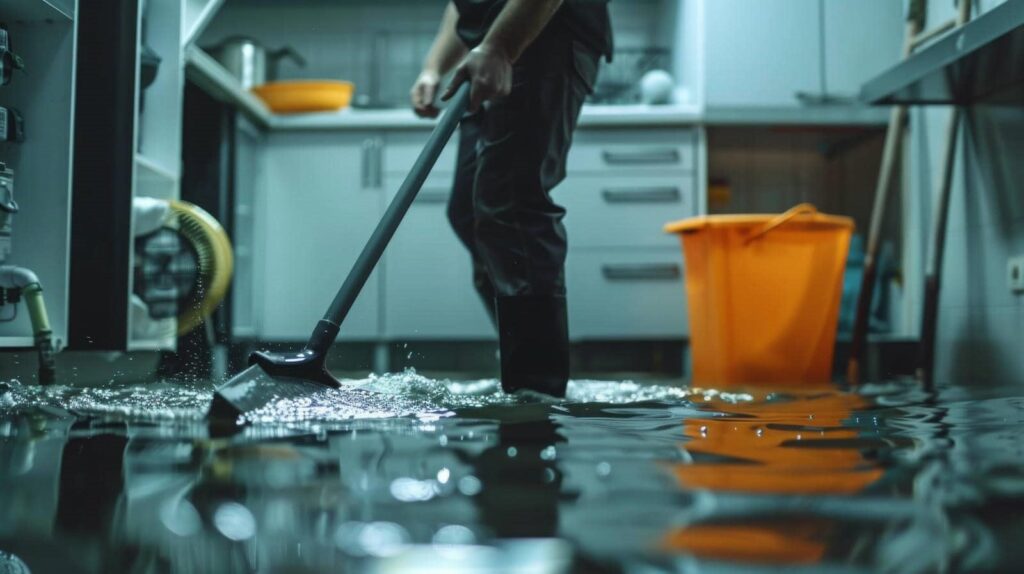
Utilizing pumps, vacuums, and other specialized equipment, you can efficiently remove standing water. Submersible pumps are particularly effective for deeper water, while wet vacs are useful for smaller, confined areas. Additionally, employing extraction techniques like hydro vacuuming helps tackle mud and debris, ensuring a thorough clean-up.
It’s essential to wear protective gear and monitor the situation closely. Understanding these techniques safeguards your property and fosters a sense of community resilience.
Importance of Timely Water Removal
Timely water removal is critical for mitigating the long-term effects of flooding on your property. A prompt response can greatly reduce the risk of extensive water damage, mold growth, and structural deterioration. When you act quickly, you protect your investments and ensure a safer environment for your occupants.
| Consequence | Timely Response | Delayed Response |
|---|---|---|
| Mold Growth | Reduced risk | High risk, rapid spread |
| Structural Damage | Minimal impact | Severe damage, costly repairs |
| Health Concerns | Lower health risks | Increased exposure to pathogens |
| Insurance Claims | Easier processing | Complicated claims process |
Equipment Used for Flood Water Extraction
When addressing flood water extraction, you’ll primarily rely on pumping systems and dehumidification techniques.
Pumping systems efficiently remove standing water, while dehumidifiers help control moisture levels in affected areas.
Understanding how to select and operate this equipment is essential for effective flood remediation.
Pumping Systems Overview
Flood water extraction relies heavily on effective pumping systems designed to tackle large volumes of water quickly and efficiently. You’ll often encounter submersible pumps, which operate underwater to remove water from flooded areas.
These pumps employ various pumping techniques, including centrifugal and positive displacement, to maximize system efficiency. Portable pumps are popular for their ease of transport, while trailer-mounted pumps are ideal for larger sites, providing sustained power.
Additionally, diesel pumps deliver high flow rates, making them suitable for severe flooding situations. Understanding each pump’s capacity and power source ensures you select the right equipment for your needs.
Dehumidification Techniques Used
Effective dehumidification is fundamental in flood recovery, as it helps mitigate water damage and prevent mold growth. You’ll find that commercial dehumidifiers are essential tools for moisture control, efficiently extracting excess humidity from the air.
These units come in various capacities, enabling you to choose one that matches the scale of your flood recovery.
The benefits of dehumidification extend beyond just drying out spaces; they include improved air quality and reduced structural damage. High-efficiency dehumidifiers operate continuously, allowing for ideal moisture management, which is critical in minimizing mold risks.
Professional vs. DIY Extraction Methods
While tackling water extraction, understanding the distinction between professional and DIY methods can considerably impact the efficiency and safety of the process.
Professional techniques leverage advanced equipment and expertise to quickly and effectively remove water and mitigate damage. Trained specialists can identify hidden moisture and apply targeted solutions, ensuring thorough extraction and reducing the risk of mold development.
On the other hand, DIY challenges often arise when you attempt to manage extraction without adequate tools or knowledge. You might face limitations in equipment, such as inadequate pumps or vacuums, which could prolong the drying process and lead to further complications.
Additionally, without proper training, you may overlook critical areas that require attention. Ultimately, while DIY methods can seem cost-effective, relying on professionals often yields better results, minimizing long-term damage and ensuring a safe environment for you and your property.
Steps in the Flood Water Extraction Process
When dealing with water extraction, following a structured process is essential to ensure thorough and efficient removal.
Start by evaluating the affected area to identify the extent of the water damage. This initial evaluation helps you select appropriate extraction techniques.
Next, remove any furniture and belongings to prevent further damage.
Once the area is clear, use a high-powered pump or wet vacuum to extract standing water. Make certain you’re using the right equipment to maximize efficiency.
After the bulk of the water is removed, employ dehumidifiers and fans to eliminate residual moisture and prevent mold growth.
Finally, inspect the space for hidden moisture pockets, as they can lead to long-term issues.
Safety Considerations During Extraction
After clearing the affected area and extracting the bulk of the water, it’s crucial to prioritize safety during the extraction process. Flood hazards can pose serious risks, so you need to equip yourself properly. Always wear appropriate safety gear to minimize injury risks.
Protective footwear: Prevent slips and punctures while maneuvering through debris.
Gloves: Shield your hands from contaminants and sharp objects.
Respirators: Guard against harmful mold spores that may be present.
While working, be aware of potential electrical hazards, as water can damage wiring and pose shock risks.
Keep an eye out for structural damage, as weakened floors and walls can collapse. Always ensure proper ventilation to reduce the risk of inhaling toxic fumes.
Post-Extraction Cleanup and Restoration
Once you’ve successfully extracted the floodwater, the next step involves thorough cleanup and restoration to prevent long-term damage and health hazards. Implementing effective post-extraction cleaning methods is essential for safeguarding your property and well-being.
| Task | Restoration Technique |
|---|---|
| Remove Contaminants | Use specialized cleaning agents |
| Dry Affected Areas | Utilize industrial air movers |
| Disinfect Surfaces | Apply EPA-approved disinfectants |
| Evaluate Structural Damage | Conduct a detailed inspection |
Start by evaluating the damage and removing contaminated materials. You’ll want to use industrial-grade equipment for drying affected areas and disinfecting surfaces to eliminate pathogens. Regular monitoring throughout the restoration process ensures moisture levels remain low, reducing the risk of mold growth. By employing these restoration techniques, you can create a safer environment, fostering a sense of belonging within your space once again.
Choosing a Water Remediation Service
When choosing a water remediation service, assess their experience and expertise in handling commercial flood situations.
Look for companies that utilize advanced equipment and technology to ensure effective extraction and restoration.
These factors will greatly impact the quality and efficiency of the remediation process.
Experience and Expertise
Choosing a water remediation service requires careful consideration of their experience and expertise, as these factors directly impact the effectiveness of the restoration process. You’ll want to ensure that the team you select adheres to industry standards and employs expert techniques to manage flood damage effectively.
- Proven track record in flood remediation
- Certifications that demonstrate knowledge of industry standards
- Use of best practices in water extraction and drying techniques
Selecting a service with extensive experience ensures they understand the nuances of various situations, enabling them to respond appropriately.
Their expertise facilitates swift restoration and minimizes potential future damage, fostering a sense of security and trust in your choice.
Equipment and Technology
The effectiveness of a water remediation service hinges considerably on the equipment and technology they utilize in the restoration process. When choosing a service, look for those employing advanced extraction methods and innovative technologies.
High-powered pumps and vacuums are essential for efficiently removing large volumes of water, while specialized moisture-detection tools ensure no hidden dampness remains. Dehumidifiers and air movers speed up the drying process, preventing mold growth and further damage.
Additionally, services that use thermal imaging can identify moisture in hard-to-reach areas. By selecting a company that leverages these cutting-edge tools, you’re protecting your property and ensuring a swift, thorough recovery.
This commitment to technology reflects a dedication to quality and care you can trust.
Frequently Asked Questions
How Long Does Flood Water Extraction Usually Take?
Flood water extraction usually takes several hours to a few days, depending on the severity of the flooding and the extraction methods used. Understanding extraction duration is essential for effective flood recovery and minimizing damage.
What Types of Insurance Cover Flood Water Extraction Costs?
When it rains, it pours, and your flood insurance typically includes extraction coverage. Most standard policies cover water damage, but you’ll want to check your specific plan to ensure you’re fully protected for extraction costs.
Can I Extract Flood Water Myself if I Have a Basement?
Yes, you can extract flood water yourself with DIY extraction techniques. However, always prioritize safety precautions—wear protective gear, ensure the power is off, and assess structural damage before starting the extraction process to avoid risks.
What Are the Long-Term Effects of Flood Water Damage?
Flood water damage can lead to mold growth and compromise your home’s structural integrity. If you don’t address the issue quickly, you risk extensive repairs and health hazards, affecting both your safety and comfort.
How Can I Prevent Future Flooding in My Commercial Property?
To prevent future flooding in your commercial property, ensure proper drainage systems are installed and maintain landscape grading. This directs water away from the building, reducing the risk of water accumulation and damage.
Review
Effective flood water extraction is critical to safeguarding your property from extensive damage. Did you know that properties left with standing water for just 24 hours can develop mold growth? By utilizing the right equipment and professional services, you can greatly reduce these risks. Timely intervention protects your investment and ensures a healthier environment. Remember, choosing experienced professionals can make all the difference in your restoration efforts.
Recent Posts
Key Strategies for Business Recovery After Fire
Business Recovery After Fire begins with a structured plan that focuses on safety, damage assessment,
How to Create an Emergency Water Damage Plan
Emergency Water Damage can disrupt your business quickly, making a proactive response plan essential for
10 Best Business Continuity Strategies After Fire Damage
Imagine the charred remains of a once-thriving business, now reduced to ashes and uncertainty. After