
Contents
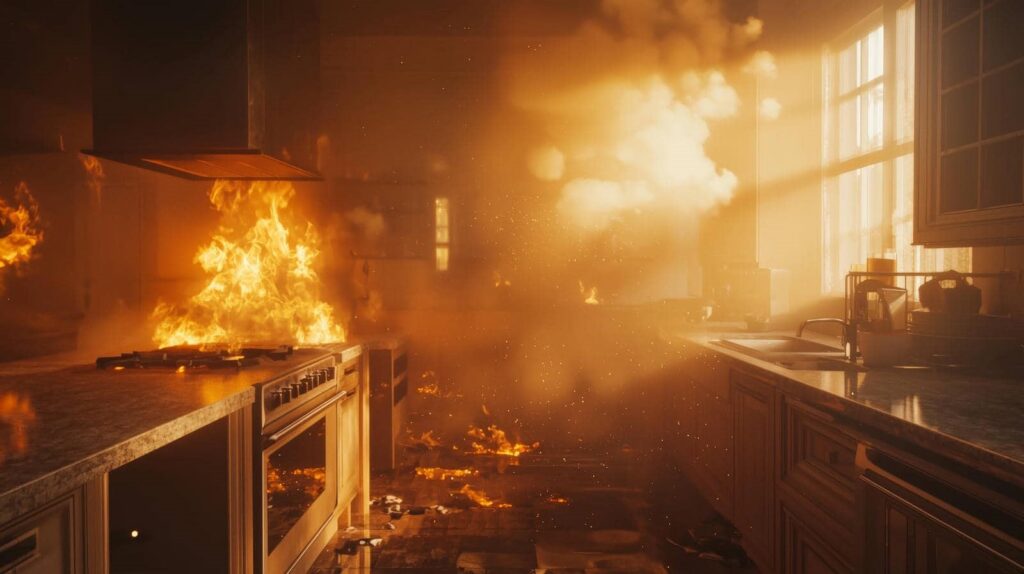
Imagine you return home to find your living room engulfed in smoke after a kitchen fire, while water from firefighting efforts seeps into your basement. It’s vital to understand the essential steps for fire and water damage repair to restore your home effectively. By evaluating the damage and documenting it properly, you can navigate the complex insurance process and ensure thorough restoration. What comes next might surprise you as you consider the best strategies for recovery.
Key Takeaways
- Conduct a thorough site inspection to assess the extent of fire and water damage and identify critical areas needing attention.
- Document all damage meticulously with photographs and lists to support insurance claims effectively.
- Engage professional restoration services for expert assessment and tailored action plans, ensuring safe and effective repairs.
- Implement water extraction techniques promptly to prevent further complications, utilizing the right equipment for the extent of the damage.
- Address structural repairs promptly, collaborating with experts to ensure safety and restore property integrity effectively.
Understanding Fire and Water Damage Types
When you’re faced with fire or water damage, it’s vital to understand the specific types involved, as each requires a tailored approach for effective repair.
Fire damage can manifest as charred surfaces, smoke residue, or structural weakening, all of which demand careful assessment and restoration techniques.
On the other hand, water damage often leads to mold growth, rotting wood, or compromised insulation, necessitating prompt and thorough intervention.
Identifying these distinctions helps you prioritize your repair efforts and engage the right professionals.
Whether you’re dealing with the aftermath of a fire or flooding, recognizing the unique characteristics of fire and water damage ensures you take the appropriate steps to restore your home effectively and safely.
How to Assess Fire and Water Damage?
When you assess fire and water damage, start with an initial site inspection to gauge the extent of the impact.
Next, identify the severity of the damage, as this will guide your repair efforts.
Finally, document the affected areas thoroughly to ensure nothing is overlooked during the restoration process.
Initial Site Inspection
Although evaluating fire and water damage might seem overwhelming at first, a systematic approach can help you effectively assess the extent of the destruction.
Begin with a thorough site evaluation, focusing on both visible and hidden areas affected by the incident. Check for signs of smoke residue, charred materials, or water saturation. Document any structural compromises, such as weakened beams or compromised walls, as these are essential for your damage assessment.
Utilize a checklist to ensure you cover every aspect, keeping notes of all findings. Engage with professionals if necessary, as their expertise can provide invaluable insights.
Identify Damage Severity
To accurately assess the severity of fire and water damage, start by categorizing the affected areas based on the level of destruction.
Begin your damage assessment by identifying severity indicators such as charred materials, smoke residue, or water-soaked surfaces.
Look for signs of structural compromise, like sagging ceilings or warped walls, as these can indicate more extensive damage.
Next, evaluate the presence of mold or mildew, which can escalate repair needs if left unaddressed.
Don’t forget to check for damage to electrical systems and appliances, as safety is essential.
Document Affected Areas
After evaluating the severity of the damage, the next step is to document the affected areas thoroughly.
Begin your damage assessment by taking clear photographs of all impacted spaces, capturing various angles for thorough evidence. Use documentation techniques like detailed notes to describe the extent of the damage, including specific materials affected and any visible mold or structural compromise.
Be systematic; it helps to create a checklist of all rooms and items needing attention. This meticulous approach aids repairs and supports insurance claims.
Safety First: How to Ensure a Safe Environment
When dealing with fire and water damage repair, prioritizing safety is essential to protect yourself and others in the environment.
Start by implementing safety protocols that include wearing appropriate personal protective equipment, such as gloves, masks, and goggles. Conduct thorough hazard identification to pinpoint any potential risks, like exposed wires, unstable structures, or contaminated water.
Make sure that you’ve got a clear evacuation plan in place and that everyone involved is aware of it. Regularly assess the site for new hazards as you work, and don’t hesitate to halt operations if conditions become unsafe.
Documenting Damage for Insurance Claims
How can you ensure your insurance claim accurately reflects the extent of damage after a fire or water incident?
Start by meticulously documenting everything. Take detailed damage photographs from multiple angles, ensuring you capture both the broad view and close-ups of affected areas. These images will serve as essential evidence for your claim.
Next, compile thorough claim documentation, including lists of damaged items, their value, and repair estimates. Keep receipts and invoices related to temporary repairs or remediation efforts.
Organizing this information supports your claim and makes the process smoother. Remember, the more extensive your documentation, the stronger your case will be, helping you secure the compensation you deserve for your loss.
How to Navigate the Insurance Process for Fire and Water Damage?
Maneuvering through the insurance process for fire and water damage can feel overwhelming, especially amidst the chaos of recovery.
Start by reviewing your policy coverage to understand what’s included and excluded. This knowledge is essential in guiding your insurance claim.
Document all damages meticulously, using photos and detailed notes to support your claim. When you contact your insurer, be clear and concise about your situation, providing all necessary information.
Keep a record of all communications for future reference. If your claim is denied or underpaid, don’t hesitate to appeal.
Engage with your insurance adjuster regularly to make sure the process moves forward. Remember, you’re not alone—many have navigated this path and emerged successfully.
Why You Should Hire Professionals for Cleanup
Maneuvering the complexities of your insurance claim is just the first step in the recovery process after fire or water damage.
Hiring professionals for cleanup ensures that you benefit from their professional expertise and specialized equipment. These experts understand the nuances of restoration, allowing for thorough assessments and effective mitigation of lingering hazards.
Their knowledge translates into cleanup efficiency, considerably reducing the risk of mold growth and structural damage. You can focus on rebuilding your life while they handle the intricate details.
Working with a team of professionals enhances the quality of the cleanup and fosters a sense of security, knowing that your home is in capable hands.
It’s an investment in your peace of mind.
Effective Water Extraction Techniques
When water damage strikes, employing effective extraction techniques is essential to preventing further complications.
Start by evaluating the area to determine the extent of the water intrusion. Use a combination of water extraction methods, such as submersible pumps for large volumes and wet vacuums for smaller, contained areas.
Verify you have the right damage restoration equipment on hand, including dehumidifiers and fans, to facilitate drying afterward.
Don’t forget to check hidden spaces like crawl spaces and behind walls, as water can linger there.
Strategies for Smoke and Soot Removal
When you’re tackling smoke and soot removal, effective cleaning techniques are crucial for restoring your space.
You’ll want to take into account both chemical agents and specialized equipment to thoroughly eliminate residues.
If the damage is extensive, professional restoration services can ensure an extensive and safe cleanup.
Effective Cleaning Techniques
Although smoke and soot can be stubborn, using the right cleaning techniques can make all the difference in restoring your space.
Start by gathering appropriate cleaning equipment, like microfiber cloths and HEPA vacuums, which effectively trap particles. For surfaces, consider eco-friendly solutions such as vinegar and baking soda; they’re safe and powerful.
Begin with dry cleaning methods—gently brush or vacuum to remove loose soot. Then, dampen your cloth with your eco-friendly solution and wipe surfaces, working from top to bottom. Don’t forget corners and crevices where soot likes to hide.
For fabrics, steam cleaning can be effective. Remember to ventilate your space throughout the process to combat lingering odors. Your efforts will help create a welcoming environment once more.
Professional Restoration Services
While effective cleaning techniques can greatly improve your environment after a fire, professional restoration services offer expertise that’s often necessary for thorough smoke and soot removal.
These specialists use advanced restoration technology to ensure every trace of smoke and soot is eliminated, preventing lingering odors and health hazards.
When you face a fire-related emergency, immediate response is imperative. Professional teams are trained to assess damage quickly and implement a tailored action plan, employing specialized equipment and techniques to restore your space effectively.
They understand the nuances of materials, assuring they use the right methods that won’t harm your property.
Trusting professionals gives you peace of mind and helps you reclaim your home safely and efficiently.
Key Considerations for Repairing Structural Damage
As you assess structural damage from fire or water, it’s crucial to understand the full extent of the harm before initiating repairs.
Start by examining the affected areas for signs of compromised structural integrity, such as cracks or warping. Document your findings to help professionals gauge the severity.
Choose repair materials that match the original construction, ensuring they’re durable and compliant with local building codes. Collaborate with experts who can provide insight into necessary reinforcements or replacements.
Remember, addressing structural damage promptly restores safety and enhances your property’s value.
Ultimately, your proactive approach will lead to a more resilient and secure environment, fostering a sense of belonging for everyone who interacts with the space.
Best Practices for Preventing Future Fire and Water Damage
To prevent future fire and water damage, you need to implement regular maintenance checks around your property.
This includes inspecting plumbing systems, electrical wiring, and fire alarms to ensure everything functions properly.
Additionally, educating yourself and your household about fire safety can greatly reduce the risk of incidents occurring.
Regular Maintenance Checks
Regular maintenance checks are essential for safeguarding your property against potential fire and water damage, ensuring that small issues are addressed before they escalate into costly disasters.
To effectively implement preventive measures, schedule regular inspections of your electrical systems, plumbing, and roofing. Look for signs of wear, leaks, or frayed wiring, and don’t hesitate to consult professionals when necessary.
Additionally, clean gutters and downspouts to prevent water buildup, and replace any damaged materials promptly. Regularly test smoke detectors and fire extinguishers to verify they’re functioning properly.
Fire Safety Education
Understanding fire safety education is essential for reducing the risk of fire and water damage in your home or business.
Start by learning fire prevention strategies, like installing smoke detectors and keeping fire extinguishers accessible. Regularly check these devices to ensure they’re functional.
Create an emergency preparedness plan that includes escape routes and designated meeting points. Involve your family or employees in fire drills to reinforce these practices, fostering a culture of safety.
Additionally, educate yourself on common fire hazards, such as faulty wiring and flammable materials.
By prioritizing these steps, you’ll protect your property and create a safer environment for everyone.
Frequently Asked Questions
How Long Does the Fire and Water Damage Repair Process Typically Take?
The repair timeline usually takes several weeks, depending on the extent of damage. First, you’ll conduct a detailed damage assessment to determine necessary repairs, ensuring you understand the process and timeline for recovery.
What Should I Do Immediately After Experiencing Fire or Water Damage?
Immediately after experiencing fire or water damage, prioritize safety measures. Evacuate the area, call emergency responders, and avoid hazards. Document the damage for insurance and reach out to professionals for effective emergency response assistance.
Can I Handle Cleanup and Repairs Myself?
You can tackle DIY cleanup, but tread carefully. Weigh safety considerations first; the damage may hide dangers. Equip yourself with knowledge and the right tools, ensuring you’re not just patching up but truly healing your space.
How Do I Choose the Right Restoration Company?
To choose the right restoration company, analyze reviews and conduct service comparisons. Look for consistent positive feedback, response times, and certifications. This methodical approach ensures you find a trustworthy partner for your restoration needs.
What Are Common Hidden Damages After Fire or Water Incidents?
“An ounce of prevention’s worth a pound of cure.” After fire or water incidents, watch for hidden damage like mold growth and compromised structural integrity. Address these issues promptly to ensure your home remains safe and sound.
Recap
Tackling fire and water damage is like maneuvering through a maze; it requires careful planning and attention to detail. By following the essential steps outlined, you can ensure a thorough restoration process, safeguarding your property and peace of mind. Remember to prioritize safety, document your damage meticulously, and seek professional help when needed. Taking these steps aids in recovery and fortifies your home against future incidents, allowing you to bounce back stronger than ever.
Recent Posts
Water Mitigation vs Restoration: Understanding the Difference
When water damage hits, you need to know whether you’re dealing with mitigation or restoration,
How Quickly Does Mold Grow After Water Damage in Your Home?
You might assume mold takes weeks to appear, but after water damage it can start
What to Do After Water Damage: A Homeowner’s Action Plan
The fastest response after water damage is often the one that prevents the worst loss.