
Contents
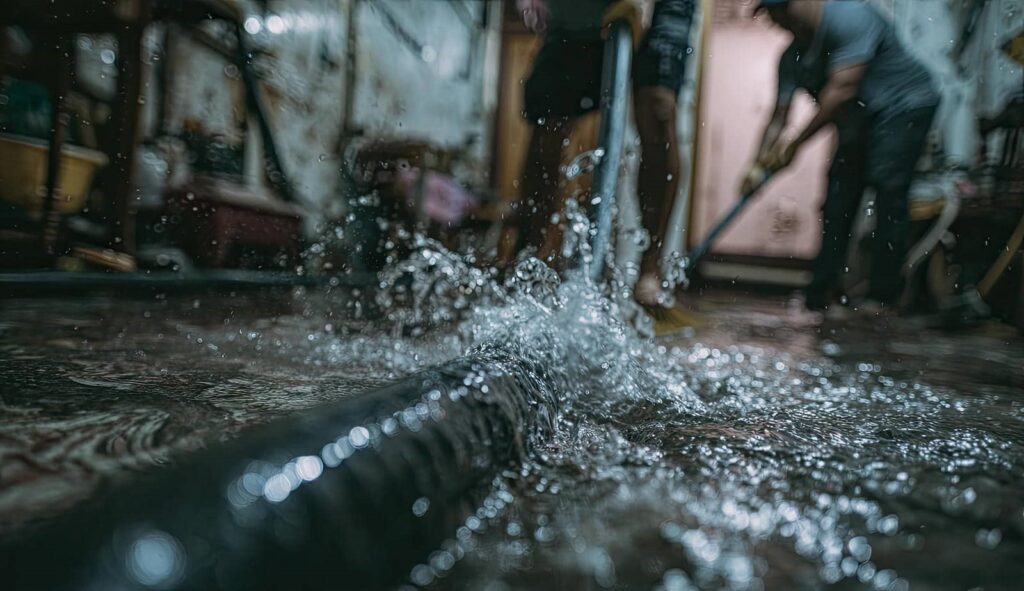
In the world of disaster recovery, mastering flood water extraction is akin to maneuvering a complex labyrinth. You need to understand the essential equipment and the specific methods required to manage excess water effectively. This process isn’t just about removing water; it involves a systematic approach to ensure safety and prevent further damage. Let’s explore the critical steps and techniques that can transform your flood response efforts into a more efficient operation.
Key Takeaways
- Implement a systematic approach to prioritize the most affected areas for efficient water extraction.
- Utilize high-capacity pumps and submersible pumps to expedite the removal of large water volumes.
- Regularly monitor moisture levels with moisture meters to guide extraction and prevent mold growth.
- Ensure safety by using personal protective gear and assessing for structural damage before entering affected areas.
- Collaborate with professionals for advanced technology and techniques to enhance extraction efficiency and reduce long-term damage.
Understanding the Basics of Flood Water Extraction
Flood water extraction is a vital process that involves removing excess water from an area affected by flooding. You’ll need to understand the flooding impact on both structures and the environment to implement effective extraction methods.
Start by evaluating the area; identify the source of the water and prioritize areas with the most significant damage. Utilizing pumps and vacuums, you can enhance extraction efficiency while minimizing further damage.
It’s essential to develop a systematic approach, ensuring that you address the most affected sections first. Monitor the water levels consistently to gauge your progress and adjust your methods accordingly.
Additionally, consider the potential for contamination; you may need to treat the water before disposal, safeguarding public health and the environment.
Essential Equipment for Commercial Water Extraction
When tackling commercial water extraction, having the right equipment is essential for efficiency and effectiveness.
You’ll find that specific tools are indispensable for achieving ideal results. Here’s a list of critical equipment you’ll need:
Pumping Systems: High-capacity pumps are essential for quickly removing large volumes of water, minimizing damage and downtime.
Extraction Vacuums: These specialized vacuums are designed to extract residual moisture from carpets and surfaces, ensuring thorough drying.
Moisture Meters: Accurate moisture meters help you assess water levels in materials, guiding your extraction process.
Dehumidifiers: Effective dehumidifiers reduce humidity levels, preventing mold growth and further damage post-extraction.
Safety Precautions During Water Extraction
While extracting water from commercial spaces, prioritizing safety is essential to protect both personnel and property. You need to adhere to strict personal protective equipment (PPE) guidelines and maintain hazard awareness throughout the process. Here are key safety precautions to take into account:
| Safety Measure | Description | Importance |
|---|---|---|
| Personal Protective Gear | Wear gloves, boots, and masks to minimize exposure. | Reduces risk of injury and illness. |
| Electrical Safety | Verify power sources are disconnected before starting. | Prevents electric shock hazards. |
| Ventilation | Maintain airflow to dissipate harmful fumes. | Protects respiratory health. |
Step-by-Step Process for Flood Water Removal
To effectively remove flood water, you need to begin with a thorough assessment of the damage to determine the extent of water intrusion.
Next, you’ll select the appropriate equipment and techniques tailored to the specific conditions of your environment.
Throughout this process, it’s essential to adhere to safety precautions to protect yourself and others.
Assessing Flood Damage
Before you begin the flood water removal process, it’s crucial to thoroughly assess the damage to your property.
Employing effective flood assessment techniques and damage evaluation methods ensures you address all affected areas.
Follow these steps:
Inspect the Exterior: Check for structural damage, such as cracks or shifting in the foundation.
Examine the Interior: Look for water stains, mold growth, or warped materials in walls and floors.
Document Everything: Take photos and notes of the damage for insurance claims and restoration planning.
Assess Utilities: Verify that electrical systems and appliances are safe to use and not damaged.
Equipment and Techniques
Effective flood water removal requires a systematic approach using the right equipment and techniques. Start by evaluating the area to determine the severity of the flooding. Then, utilize advanced pumps and vacuums designed for high extraction efficiency. Innovations in equipment, such as submersible pumps and portable extractors, can considerably speed up the process.
Here’s a concise overview of essential equipment:
| Equipment | Purpose | Benefits |
|---|---|---|
| Submersible Pump | Remove standing water | High extraction efficiency |
| Industrial Vacuum | Extract moisture from surfaces | Quick drying capabilities |
| Dehumidifier | Control humidity levels | Prevent mold growth |
Safety Precautions Required
When dealing with flood water removal, prioritizing safety is essential to protect yourself and others from potential hazards.
Follow these steps to ensure a safe extraction process:
Wear Protective Gear: Use waterproof boots, gloves, and masks to shield yourself from contaminants and hazards.
Assess the Area: Check for structural damage and electrical hazards before entering the affected zone.
Establish Emergency Procedures: Create a plan for evacuating the area quickly in case of sudden risks, such as rising water or gas leaks.
Maintain Communication: Keep in touch with your team and emergency services to coordinate effectively and address any emerging issues.
Advanced Techniques for Large-Scale Water Extraction
As large-scale water extraction becomes increasingly essential in flood recovery, employing advanced techniques can greatly enhance efficiency and effectiveness. Utilizing advanced pumping systems enables you to remove significant volumes of water quickly, while large-scale drying techniques ensure structures dry thoroughly, preventing future damage.
Here’s a quick overview of some advanced techniques:
| Technique | Description | Benefits |
|---|---|---|
| Submersible Pumps | Ideal for deep water extraction | High capacity, quick removal |
| Truck-Mounted Pumps | Suitable for large areas | Mobility, powerful suction |
| Vacuum Extraction | Effective for residual moisture | Thorough drying |
| Hydro-Excavation | Minimizes disruption to surroundings | Safe, precise removal |
| Air Scrubbing Systems | Enhances air circulation | Accelerated drying process |
The Role of Dehumidifiers in Water Damage Restoration
Dehumidifiers play an essential role in water damage restoration, especially in the aftermath of flooding.
These machines help you achieve effective moisture control, vital for preventing mold growth and structural damage.
Understanding the various dehumidifier types can enhance your restoration efforts. Here are four key types you might consider:
Refrigerant Dehumidifiers: Best for warmer environments, they cool air to condense moisture.
Desiccant Dehumidifiers: Utilize moisture-absorbing materials, ideal for colder settings.
Industrial Dehumidifiers: Designed for large spaces, they remove high volumes of moisture efficiently.
Portable Dehumidifiers: Versatile and easy to move, perfect for targeted areas.
Identifying and Addressing Hidden Water Damage
To effectively identify hidden water damage, you need to recognize common sources like leaky pipes and faulty appliances.
Look for signs such as discoloration on walls, mold growth, or a persistent musty odor, as these can indicate underlying issues.
Addressing these problems promptly is vital to prevent further structural damage and health risks.
Common Hidden Water Sources
While many homeowners focus on visible water damage, they often overlook common hidden sources that can lead to significant issues.
Identifying these sources is essential for preventing extensive damage. Here are four common hidden water sources to check:
Leaky pipes: Inspect for any signs of moisture near your plumbing, as small leaks can accumulate over time.
Hidden basements: Verify that basement areas are checked thoroughly for groundwater intrusion or condensation buildup.
Roof leaks: Look for water stains or dampness in attic spaces, indicating potential roof damage.
Appliance malfunctions: Regularly maintain appliances to prevent plumbing issues that may arise from poor drainage or faulty connections.
Signs of Water Damage
Water damage can manifest in various subtle ways, often going unnoticed until it escalates into a serious problem.
Look for water stains on ceilings and walls; these can indicate leaks from above or hidden pipes. Musty odors are another critical sign—you may detect this unpleasant smell in areas where moisture lingers.
Check for warped flooring or peeling paint, as these often signal prolonged exposure to water. Don’t overlook mold growth, which thrives in damp environments.
If you notice any of these indicators, act swiftly. Addressing the source of the moisture and undertaking professional remediation can prevent further damage and protect your space.
Being vigilant about these signs fosters a healthier, safer environment for everyone involved.
Effective Mold Prevention Strategies Post-Extraction
After you’ve completed the water extraction process, it’s vital to implement effective mold prevention strategies to safeguard your property.
Mold can develop rapidly in damp environments, so taking proactive measures is important. Here are four strategies to reflect on:
Moisture Control Methods: Maintain humidity levels below 60% by using dehumidifiers and proper ventilation.
Thorough Drying: Use fans and heaters to dry out affected areas within 24-48 hours.
Mold Identification Techniques: Regularly inspect for mold signs using visual assessments and moisture meters to catch issues early.
Seal and Insulate: Apply mold-resistant paint and seal cracks in walls or foundations to prevent moisture infiltration.
Collaborating With Professionals for Optimal Results
Engaging with professionals during the flood recovery process can greatly enhance the effectiveness of your water extraction and subsequent restoration efforts. Their professional expertise ensures you tackle each phase methodically, minimizing potential long-term damage.
| Collaboration Benefits | Professional Expertise |
|---|---|
| Faster response times | Specialized equipment usage |
| Extensive damage assessment | Industry-standard techniques |
| Risk reduction | Proven restoration protocols |
| Access to advanced technology | Trained and certified staff |
| Peace of mind | Long-term cost efficiency |
Maintaining Your Property After Flood Water Extraction
After completing flood water extraction, you’ll need to implement effective post-extraction cleaning techniques to prevent mold growth and structural damage.
Focus on thoroughly drying affected areas, sanitizing surfaces, and removing contaminants.
Additionally, establishing preventative maintenance strategies will help you safeguard your property against future flooding risks.
Post-Extraction Cleaning Techniques
Once flood water extraction is complete, it’s crucial to implement effective cleaning techniques to restore your property and prevent long-term damage.
Focus on post-extraction sanitization and employ the following surface cleaning techniques:
Disinfect All Surfaces: Use EPA-approved disinfectants on floors, walls, and furniture to eliminate pathogens.
Remove Contaminated Materials: Safely discard items that can’t be cleaned or are heavily damaged, such as carpets and drywall.
Dry Thoroughly: Confirm all areas are dried completely to prevent mold growth, using dehumidifiers and fans as needed.
Inspect for Moisture: Regularly check hidden areas, such as under cabinets, for remaining moisture to confirm thorough remediation.
Preventative Maintenance Strategies
To ensure your property remains resilient against future flooding, it’s vital to implement consistent preventative maintenance strategies.
Start by regularly inspecting and maintaining your drainage systems. Confirm that gutters and downspouts are clear of debris, allowing for efficient water flow.
Next, consider installing flood barriers around vulnerable areas of your property. These barriers can considerably reduce the risk of water intrusion during heavy rainfall.
Additionally, regularly test sump pumps to verify they’re functioning correctly.
Finally, create a routine for evaluating your landscaping; directing water away from your foundation is essential.
Frequently Asked Questions
How Long Does Flood Water Extraction Typically Take?
Flood water extraction typically takes several hours to days, depending on flood duration and extraction efficiency. You’ll need to assess the situation carefully to ensure thorough removal and prevent further damage to your property.
Can I Perform Water Extraction Without Professional Help?
You can tackle DIY extraction, but remember, safety precautions are essential. Make certain you wear protective gear and use proper tools. If the water’s deep or contaminated, consider calling professionals to avoid potential hazards and ensure thoroughness.
What Insurance Coverage Is Available for Flood Damage?
For flood damage, flood insurance offers specific coverage limits that vary by policy. You should carefully review your options, ensuring you understand exclusions and the claims process to effectively protect your property from potential losses.
How Do I Prevent Future Flooding in My Commercial Property?
To prevent future flooding in your commercial property, install effective drainage systems and flood barriers. Regularly maintain these systems and assess surrounding landscapes to redirect water away, ensuring your property remains safe from potential flood damage.
What Are the Signs of Inadequate Water Extraction?
Moisture may remain post-extraction; you’re facing inadequate water extraction. Signs include persistent dampness, mold growth, and a musty odor, indicating ineffective extraction techniques and potential water damage that could worsen your property’s condition.
Conclusion
In the aftermath of a flood, the journey of restoration begins with effective extraction, much like a phoenix rising from the ashes. By mastering the right techniques and equipment, you reclaim your space and safeguard it against future threats. Embrace the process, ensuring safety and thoroughness, and you’ll restore your property and fortify it. With diligence and collaboration, you’ll transform your flood-damaged environment into a resilient haven, ready to withstand the storms ahead.
Recent Posts
What Steps to Follow for Commercial Flood Cleanup?
Commercial Flood Cleanup requires a structured approach to protect your property, employees, and business operations.
What to Know About Emergency Water Damage Restoration?
Emergency Water Damage requires immediate attention and a structured response to prevent further property damage.
Steps for Emergency Water Damage Restoration
When faced with emergency water damage, your first priority is to ensure safety. You need