
Contents
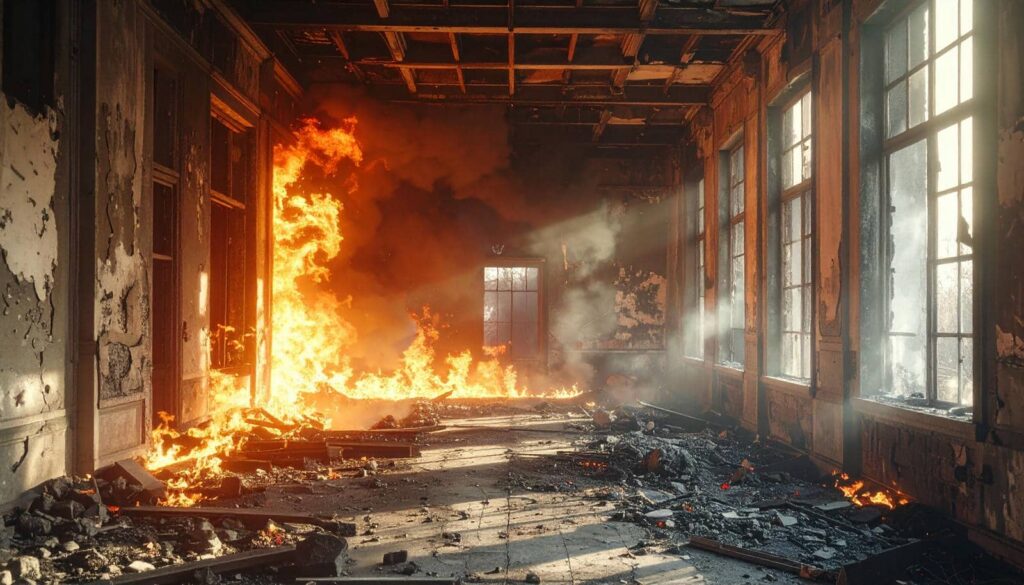
When fire and smoke strike your commercial space, do you really know where to start? Evaluating the damage is essential for effective restoration and insurance claims. It’s not just about cleaning up; it’s about ensuring safety and preventing future incidents. Understanding the steps involved in this process can make a significant difference. What comes next could define the future of your business.
Key Takeaways
- Conduct thorough damage assessments and document findings to support insurance claims and cleanup strategies.
- Implement advanced cleaning methods to remove smoke and odors, restoring air quality effectively.
- Address any water damage from firefighting efforts promptly to prevent mold growth and structural issues.
- Reinforce fire safety measures and ensure all employees are trained on prevention and emergency protocols.
- Regularly evaluate and upgrade fire safety systems to enhance protection and compliance in the revived commercial space.
Assessing the Damage: Initial Steps After a Fire
After a fire, evaluating the damage is essential to determining the next steps for recovery. You’ll want to conduct a thorough damage assessment to identify the extent of destruction in your commercial space.
Start by documenting visible damage, including burned structures, smoke residue, and water damage from firefighting efforts. Take photographs and notes to support any insurance claims.
Next, prioritize safety by ensuring the building is structurally sound. Engage professionals, such as fire safety experts and structural engineers, to provide insights into potential hazards. They’ll help you understand which areas are safe to enter and which need immediate attention.
As you assess the damage, keep communication open with your team. Emotional support can foster a sense of belonging during this challenging time.
Safety First: Ensuring a Secure Environment
Following an extensive damage assessment, the next priority is establishing a secure environment for your commercial space. Start by reinforcing entry points and removing any hazards that could pose risks to employees and visitors.
Verify that fire safety equipment, such as extinguishers and alarms, is operational and up to code. Regular inspections will help maintain these systems and enhance overall safety.
Develop a thorough emergency preparedness plan tailored to your specific needs. This includes evacuation routes, designated meeting areas, and clear communication strategies.
Conduct regular training sessions to familiarize your team with these protocols, fostering a sense of belonging and teamwork.
Finally, collaborate with local fire authorities to stay updated on best practices and regulations. By prioritizing safety and preparedness, you protect your space and demonstrate a commitment to your community, creating an environment where everyone feels secure and valued.
Fire and Smoke Damage Cleanup Procedures
Once you’ve secured the area, start with a thorough assessment and inspection to identify the extent of fire and smoke damage.
This step is vital for determining the appropriate cleaning and restoration techniques needed to bring your commercial space back to its original condition.
Efficient procedures at this stage will set the foundation for a successful recovery process.
Assessment and Inspection
When you’re faced with the aftermath of a fire, conducting a thorough assessment and inspection is essential for effective cleanup. Start by evaluating the extent of fire damage, focusing on structural integrity and potential hazards.
Follow established inspection protocols to identify affected areas, including walls, ceilings, and electrical systems. Utilize moisture meters and thermal imaging to detect hidden damage, ensuring no issue goes unnoticed.
Document findings meticulously, as this information will guide your cleanup strategy and assist with insurance claims. Address both visible and concealed smoke damage, as lingering residues can lead to health risks.
Cleaning and Restoration Techniques
With a thorough assessment completed, the next step involves implementing effective cleaning and restoration techniques to address fire and smoke damage.
Utilizing advanced cleaning methods and restoration technology ensures a swift recovery process. Here are the key steps you should follow:
Remove debris: Clear out charred materials and damaged contents to prevent further contamination.
Deep clean surfaces: Use specialized equipment and solutions to eliminate soot and odors from walls, ceilings, and flooring.
Restore air quality: Deploy air scrubbers and dehumidifiers to remove smoke particles and moisture, improving indoor air quality.
Water Damage Considerations in Fire Restoration
Although fire damage often takes center stage in restoration efforts, water damage is a significant concern that can complicate the recovery process. After extinguishing the flames, you’ll need to address the water used in firefighting, which can lead to mold growth and structural issues if not managed promptly.
Begin with water extraction to remove standing water, as this minimizes further damage.
Next, conduct a thorough moisture assessment to identify areas with hidden moisture, particularly in walls, floors, and ceilings. Use specialized equipment like moisture meters and thermal imaging cameras to verify that no dampness lingers.
It’s crucial to dry out affected areas quickly, employing dehumidifiers and air movers to facilitate evaporation.
Salvaging Equipment and Inventory
When salvaging equipment and inventory after a fire, you need to assess the extent of damage to determine what can be saved.
Effective cleaning techniques and methods will play an essential role in restoring items to usable condition.
Assessing Damage Extent
Evaluating the extent of damage after a fire is essential for effective recovery and salvage efforts.
A thorough damage evaluation allows you to understand the impact on your equipment and inventory, guiding your next steps.
Consider focusing on the following areas during your assessment:
- Visual Inspection: Check for visible signs of smoke, soot, or structural damage.
- Functionality Tests: Assess whether the equipment can still operate or has been compromised.
- Inventory Assessment: Identify items that can be cleaned or need replacement.
Conducting a detailed impact analysis helps prioritize salvageable items, ensuring that you maximize recovery while minimizing losses.
This process aids in decision-making and fosters a sense of community as you rebuild your commercial space.
Cleaning Techniques and Methods
Effective cleaning techniques are essential for salvaging equipment and inventory after a fire.
Start with soot removal, as it can damage surfaces and materials if left untreated. Use a high-efficiency particulate air (HEPA) vacuum to eliminate loose soot particles before applying any cleaning solutions.
For deeper cleaning, steam cleaning is highly effective, as the high temperatures break down residues without harsh chemicals. Make sure you follow the manufacturer’s guidelines for any equipment to avoid further damage.
After cleaning, inspect items thoroughly to assess whether they can be restored or need replacement. Using these methods helps restore your inventory and provides a sense of belonging and assurance to your team that recovery is possible.
Structural Repairs and Restoration Techniques
As you assess the damage caused by fire and smoke, understanding the structural repairs and restoration techniques becomes essential in revitalizing commercial spaces.
Ensuring structural integrity is vital for safety and longevity. Here are key techniques to take into account:
Evaluate Structural Damage: Conduct a thorough inspection to identify compromised beams, walls, or foundations.
Select Appropriate Restoration Materials: Choose materials that enhance durability and match the original structure, such as treated wood or fire-resistant drywall.
Implement Reinforcement Strategies: Utilize advanced methods like steel bracing or carbon fiber wraps to strengthen weakened areas.
Odor Removal Strategies for Commercial Spaces
When dealing with the aftermath of fire damage in commercial spaces, addressing lingering odors is essential for restoring a welcoming atmosphere. Effective odor removal requires a combination of strategies. You can utilize various odor neutralization methods alongside commercial air purifiers to achieve the best results.
| Odor Neutralization Method | Description | Effectiveness |
|---|---|---|
| Ozone Treatment | Uses ozone molecules to eliminate odors. | Highly effective for smoke odors. |
| Activated Charcoal | Absorbs odors through adsorption. | Good for general odors. |
| Thermal Fogging | Delivers a deodorizing fog to penetrate materials. | Excellent for deep-set odors. |
| Bio-enzymatic Cleaners | Breaks down odor-causing substances. | Effective for organic odors. |
| Commercial Air Purifiers | Filters and cleans the air continuously. | Essential for ongoing odor control. |
Insurance Claims: Navigating the Process
Steering through the insurance claims process after a fire in your commercial space can be intimidating, yet understanding the steps involved can simplify the journey.
Start by reviewing your insurance policy to identify coverage specifics and necessary documentation.
Here’s a quick checklist to help you navigate the claims process:
Document the Damage: Take photos and make a detailed list of all affected items and areas.
Notify Your Insurer: Contact your insurance company promptly to report the fire and start the claims process.
Keep Records: Maintain all communication with your insurer, including emails, calls, and claim forms.
Implementing Fire Prevention Measures Post-Restoration
After successfully managing insurance claims, the next focus should be on implementing fire prevention measures to protect your revitalized commercial space.
Start by conducting a thorough fire safety assessment, identifying potential hazards and vulnerabilities. Install smoke detectors and fire alarms throughout the facility, ensuring they’re regularly tested and maintained.
Next, develop a fire safety plan that outlines evacuation routes and emergency contacts. Share this plan with your employees during fire prevention training sessions, fostering a culture of safety.
Make sure everyone understands their role in preventing fires and responding effectively in an emergency.
Regularly inspect and maintain all electrical systems and equipment to minimize risks. Consider installing fire suppression systems, especially in high-risk areas.
Final Thoughts
In the grand theater of fire restoration, you’re the star, juggling assessments and insurance claims like a seasoned performer. Sure, it’s a tough gig—cleaning soot while contemplating your next fire drill. But let’s not forget: your upgraded safety measures and fresh odor strategies are the real showstoppers. So, as you navigate this smoky aftermath, remember: reviving your commercial space isn’t just about putting out fires; it’s about igniting a culture of preparedness and resilience. Bravo!
Recent Posts
Health Risks of Sewage Backup: What Property Owners Should Know
If you own a property, you need to treat sewage backup as an immediate health
How to Clean Up Sewage Safely—and When to Call a Professional
Clean up sewage safely by starting with the right precautions before touching a single contaminated
Sewage Backup in Your House? Here’s What Happens Next
If sewage backs up in your house, you need to act fast before the damage