
Contents
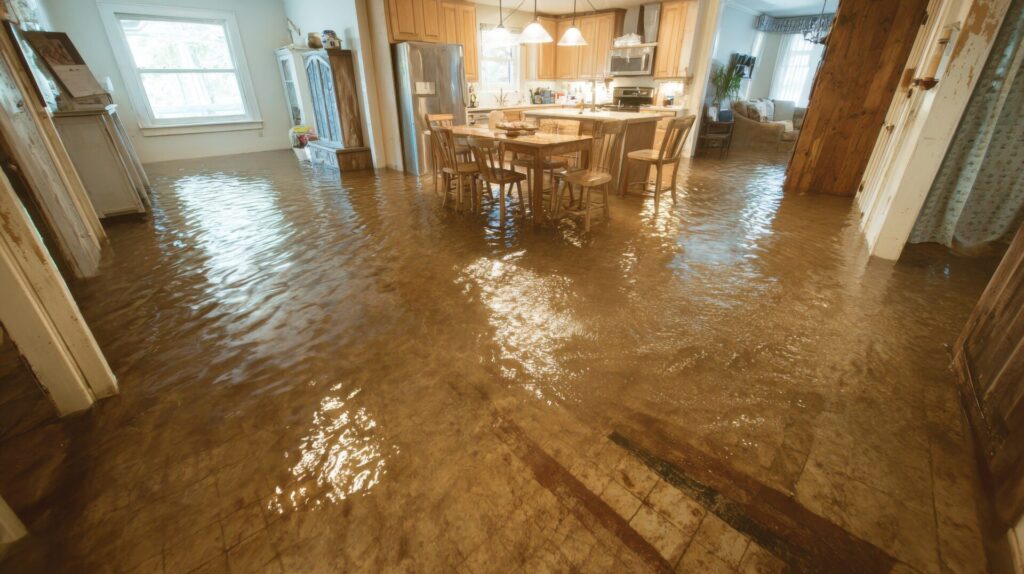
Floodwaters can be both a minor inconvenience and a catastrophic threat to your home. Understanding effective extraction techniques is essential for damage prevention and restoration. From submersible pumps to advanced moisture control devices, each method plays an important role in managing water intrusion. Are you prepared to implement these strategies and safeguard your property from the relentless power of flooding?
Key Takeaways
Utilize submersible pumps for efficient water removal, selecting models based on required horsepower and flow rates for your specific flood situation.
Employ wet/dry vacuum cleaners for thorough cleanup of residual moisture, mud, and debris, preventing mold growth in affected areas.
Install sump pumps to manage water accumulation, opting for submersible types for larger volumes and pedestal pumps for easier maintenance.
Implement portable water extraction machines to expedite drying processes, focusing on suction power and tank capacity for optimal performance.
Use moisture control devices like dehumidifiers and air movers to mitigate humidity levels, enhancing drying and preventing long-term damage.
Submersible Pumps
Submersible pumps are vital tools for effective flood water extraction in homes. When choosing the right pump, you’ll encounter various submersible pump types, including utility pumps, sewage pumps, and drainage pumps. Each type offers unique features tailored to specific applications. Utility pumps are ideal for general water removal, while sewage pumps handle waste and solids, making them valuable during severe flooding situations.
Understanding submersible pump applications is important for efficient operation. You’ll want to assess your home’s needs based on the volume of water and the nature of the debris.
Make sure you select a pump with the appropriate horsepower and flow rate to maximize performance. By selecting the right submersible pump, you can quickly restore safety and comfort to your living space, fostering a sense of community among neighbors who may face similar challenges.
Wet/Dry Vacuum Cleaners
When it comes to flood water extraction, wet/dry vacuum cleaners offer a versatile solution for homeowners dealing with residual moisture and debris after initial pumping efforts.
These powerful machines can efficiently suck up water, mud, and contaminants, making them essential for effective cleanup. One of the key wet/dry vacuum benefits is their ability to handle both wet and dry materials, ensuring you can tackle various messes.
To maximize your vacuum’s efficiency, consider investing in vacuum accessories, such as specialized attachments for tight spaces or larger containers for extended use.
These tools enhance your cleaning capability, allowing you to reach areas where water might accumulate unnoticed.
Remember, using a wet/dry vacuum not only speeds up the drying process but also helps prevent mold and mildew growth, safeguarding your home and family.
With the right approach and equipment, you can restore your space quickly and effectively.
Sump Pumps
When it comes to effective flood water extraction, understanding sump pumps is essential.
You’ll need to explore the different types available, follow best practices for installation, and implement regular maintenance to guarantee peak performance.
Types of Sump Pumps
There are primarily two types of sump pumps used in residential settings: submersible and pedestal pumps.
Submersible pumps are designed to sit underwater in the sump pit, making them efficient for larger volumes of water. They’re often quieter and can handle debris-laden water, offering significant sump pump benefits.
On the other hand, pedestal pumps are located above the sump pit, making them easier to service and maintain. While they may be less efficient with high water levels, they excel in longevity and lower installation costs.
Understanding these sump pump types helps you choose the right solution for your home, ensuring effective flood water extraction and protecting your property from potential damage.
Installation Best Practices
Although the installation of a sump pump might seem straightforward, following best practices is vital to guarantee peak performance and longevity.
First, adhere to installation guidelines, making sure the pump is positioned below the basement floor level and away from walls to prevent potential water accumulation.
Next, tackle common installation challenges like uneven surfaces; leveling the pump base is essential for ideal operation.
Use a rigid discharge pipe for durability and make certain it directs water away from your home’s foundation.
Finally, consider incorporating a check valve to prevent backflow.
Maintenance and Care Tips
Regular maintenance of your sump pump is essential for ensuring its reliability, and performing these tasks quarterly can help prevent unexpected failures. By following these flood preparedness strategies, you’ll enhance water damage prevention in your home.
| Maintenance Task | Frequency |
|---|---|
| Inspect the pump | Every 3 months |
| Clean the discharge pipe | Every 3 months |
| Test the float switch | Every 3 months |
| Check the power source | Every 3 months |
| Replace the battery (if applicable) | Annually |
Portable Water Extraction Machines
When selecting a portable water extraction machine, it’s essential to understand the different types available and their specific applications.
You’ll want to focus on key features such as suction power, tank capacity, and mobility to guarantee you choose the right model for your needs.
Evaluating these elements will help you effectively tackle flood water removal in your home.
Machine Types Overview
Portable water extraction machines are essential tools for effectively mitigating flood damage in homes. These machines come in various types, each designed to tackle specific water extraction challenges.
For instance, some models prioritize suction power, vital for removing large volumes of water quickly, while others focus on portability, allowing you to navigate tight spaces easily.
When selecting a machine, consider how it fits into your flood prevention strategies and how it aligns with your water damage insurance requirements. A reliable extraction machine not only expedites the drying process but also minimizes long-term damage, ensuring your home remains safe and sound.
Investing in the right equipment is a proactive step towards protecting your living space from future flood-related issues.
Key Features to Consider
Selecting the right portable water extraction machine involves understanding key features that impact performance and efficiency.
First, consider the suction power; higher power means quicker water removal. Next, check the tank capacity; larger tanks reduce downtime for emptying.
The machine’s weight and portability are also essential features, especially for maneuvering in tight spaces. Look for durability; a robust build guarantees longevity during frequent use.
Additionally, evaluate the ease of operation and maintenance, as user-friendly designs save time and effort.
Finally, consider filtration systems; advanced options can capture debris, preventing clogs.
Water-Resistant Dehumidifiers
Water-resistant dehumidifiers offer an essential solution for homes affected by flooding and excess moisture. These devices utilize advanced water-resistant materials that protect internal components from humidity-related damage, ensuring their longevity and efficient operation.
When you choose a water-resistant dehumidifier, you’re investing in effective moisture control, which is vital for preventing mold growth and safeguarding your home’s structure.
Look for models with adjustable humidity settings so you can tailor the moisture levels according to your specific needs. Features like built-in hygrostats help you monitor humidity levels in real-time, allowing you to maintain an ideal environment.
Additionally, many water-resistant dehumidifiers come with easy-to-clean filters, making maintenance straightforward.
Air Movers and Fans
While dehumidifiers are vital for moisture control, air movers and fans play an important role in expediting the drying process after a flood. These devices enhance air flow management, allowing for faster evaporation of moisture from surfaces and materials in your home. By strategically positioning air movers, you can create a directed airflow that targets damp areas, greatly reducing drying time.
Using high-velocity fans helps circulate air, preventing stagnant pockets of humidity that can lead to mold growth. It’s essential to operate these fans continuously, especially in enclosed spaces, to maximize their effectiveness.
Pairing air movers with dehumidifiers offers a thorough moisture control strategy, ensuring that your home dries out completely and safely.
Investing in quality air movers and fans is a smart move, as they’re designed to withstand rigorous conditions and promote a healthier living environment post-flood.
Flood Barriers and Sandbags
Flood barriers and sandbags are essential tools for protecting your home from rising water levels during a flood. By implementing effective flood prevention strategies, you can greatly reduce water damage risks.
Here’s how you can maximize sandbag effectiveness:
Choose the right materials: Use burlap or polypropylene for better durability.
Stack correctly: Lay bags in a staggered pattern for enhanced stability.
Seal gaps: Fill any openings between bags with soil or dirt to prevent leaks.
Create a barrier: Form a continuous wall around your property to redirect water flow.
Monitor conditions: Stay updated on weather alerts to adjust your barriers timely.
Using these techniques, you not only protect your home but also foster a sense of community resilience.
Drainage Systems
Effective drainage systems are vital for managing water runoff and preventing flooding in your home. To optimize drainage design, you’ll want to assess your property’s landscape and identify areas where water tends to accumulate. Incorporating features like French drains or channel drains can effectively redirect excess water away from your foundation.
Regular drainage maintenance is important, too. Make it a habit to clear debris from gutters, downspouts, and drains to guarantee proper flow.
If you notice standing water after heavy rains, it may indicate that your drainage system needs an upgrade.
Consider consulting with a drainage expert to evaluate your current setup and recommend improvements tailored to your specific needs.
Thermal Imaging Cameras
Thermal imaging cameras offer a powerful solution for identifying hidden moisture and potential water damage in your home.
By detecting temperature variations, these devices help you pinpoint leaks and assess damage before it escalates. Embracing thermal imaging benefits can lead to proactive maintenance and reduced repair costs.
Here are some key thermal imaging applications:
- Leak Detection: Quickly find hidden leaks in walls and ceilings.
- Moisture Assessment: Identify areas with high moisture levels to prevent mold growth.
- Energy Efficiency: Spot insulation failures to improve energy consumption.
- Building Inspections: Evaluate the condition of roofs and foundations.
- Preventative Maintenance: Schedule repairs based on precise thermal data.
Professional Water Damage Restoration Services
When facing water damage, you need a professional service that begins with an expert assessment process to identify the extent of the damage.
Utilizing advanced equipment, these specialists can efficiently extract water and minimize further issues.
They’ll provide thorough restoration solutions, ensuring your home returns to its original condition swiftly and effectively.
Expert Assessment Process
A thorough expert assessment is essential in addressing water damage in your home. This process involves an expert evaluation to identify the extent of damage and develop a tailored restoration plan.
Here’s what you can expect during the damage assessment:
- Visual inspection of affected areas
- Detection of hidden moisture using specialized tools
- Evaluation of structural integrity and potential hazards
- Assessment of personal property and contents
- Recommendations for immediate and long-term solutions
Advanced Equipment Utilization
Effective flood water extraction relies on advanced equipment that professional restoration services use to guarantee thorough and efficient recovery.
Utilizing state-of-the-art technology, these services deploy high-capacity pumps and specialized vacuums to remove water rapidly, minimizing damage to your home. Advanced moisture detection tools confirm that no hidden water remains, preventing mold growth and structural weakening.
Additionally, powerful dehumidifiers work in tandem to maintain ideal humidity levels, enhancing equipment efficiency and drying time. With this combination of technology, professionals can restore your space to its pre-flood condition swiftly and effectively.
Comprehensive Restoration Solutions
After utilizing advanced equipment for initial water extraction, the next step in the recovery process involves thorough restoration solutions offered by professional water damage restoration services.
These experts guarantee your home isn’t only dried but also restored to its original condition, minimizing long-term damage.
Consider these essential services:
- Structural drying to prevent mold growth.
- Dehumidification for moisture control.
- Water damage repairs on walls and flooring.
- Content restoration for personal belongings.
- Insurance assistance, helping you navigate flood insurance claims.
Frequently Asked Questions
How Can I Prevent Future Flooding in My Home?
To prevent future flooding in your home, install effective drainage systems and reliable sump pumps. Regularly maintain these systems, ensuring they function properly during heavy rains, and consider grading your yard to direct water away.
What Are the Signs of Water Damage After Extraction?
Watch for water stains on walls and ceilings, and sniff for musty odors lingering in your space. These signs signal potential problems, so you’ll want to address them promptly to guarantee your home stays healthy.
Is Flood Insurance Necessary for Homeowners?
Yes, flood insurance is necessary for homeowners. It provides essential flood coverage, ensuring financial protection against water damage. The insurance benefits can considerably reduce your out-of-pocket expenses, helping you recover and rebuild more efficiently.
How Long Does It Take for a Home to Dry Completely?
It typically takes 5 to 7 days for a home to dry completely, depending on moisture levels and the drying process. Using dehumidifiers and proper ventilation speeds things up, ensuring your home returns to normal quickly.
What Are the Health Risks Associated With Standing Water?
Standing water poses serious health risks, including mold growth and exposure to waterborne pathogens. You’re increasing your chances of respiratory issues and infections by delaying removal. Act quickly to mitigate these dangerous effects for your well-being.
Review
In the face of rising waters, your home stands as a fortress, protecting cherished memories. By harnessing the right flood water extraction techniques, you can reinforce this bastion against nature’s fury. Just as a ship needs its sails and anchors, your arsenal of pumps, vacuums, and barriers guarantees resilience and swift recovery. Embrace these tools, and let them be your guiding stars, steering you toward a dry, safe haven amidst the storm. Your fortress can emerge stronger than before.
Recent Posts
Why Follow These Steps for Water Damage Restoration?
When facing water damage, it’s essential to follow a structured approach to restoration. Each step,
Five Steps for Successful Water Damage Recovery
When faced with water damage, your response must be methodical and precise. Start by evaluating
What Are Nearby Burst Pipe Repair Services?
When a burst pipe occurs, it’s essential to act quickly. Local emergency plumbers specialize in