
Contents
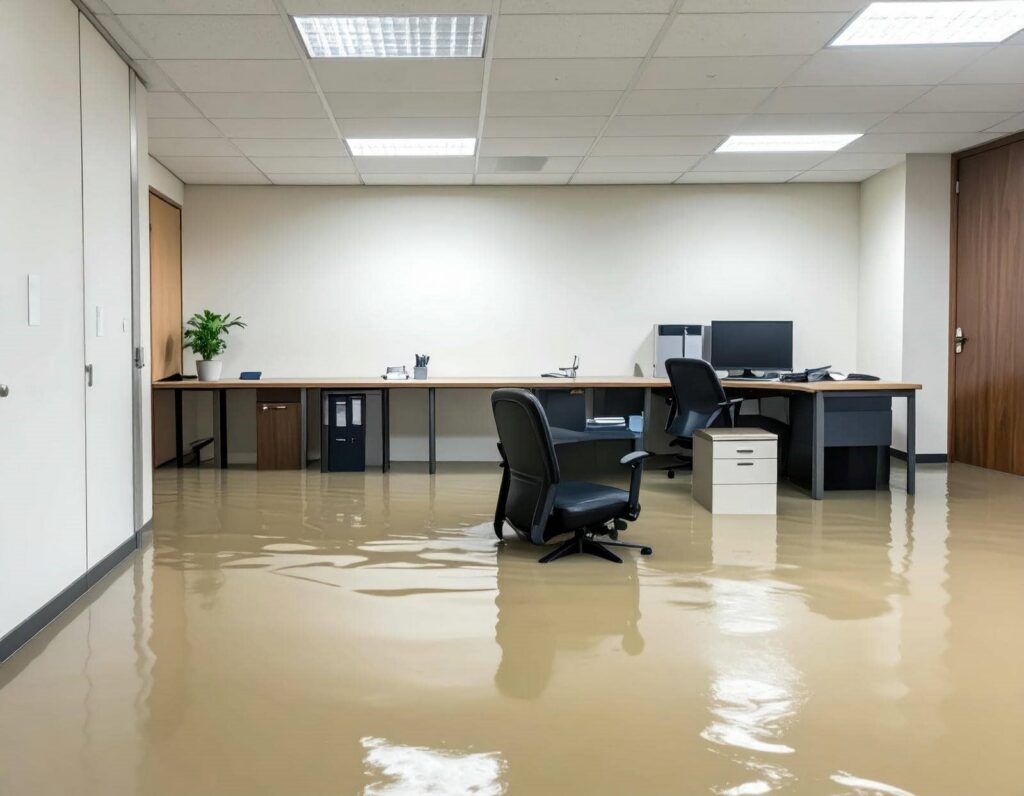
When dealing with commercial flood situations, understanding the top water extraction solutions is essential for effective recovery. You’ll want to take into account advanced pumping techniques, like submersible pumps, that efficiently remove water from deep areas. Additionally, high-performance dehumidifiers help control moisture levels, preventing mold growth. But it doesn’t stop there—innovative water extraction equipment and professional restoration services further enhance the recovery process. Let’s explore how these elements work together for ideal results.
Key Takeaways
- Utilize advanced pumping techniques, such as submersible pumps, for efficient deep-water extraction in commercial settings.
- Employ high-performance dehumidifiers to control humidity levels and prevent mold growth post-extraction.
- Implement innovative water extraction equipment that accelerates water removal and minimizes structural damage risks.
- Conduct comprehensive damage assessments to evaluate structural integrity and document for insurance claims.
- Engage professional restoration services for rapid recovery and effective navigation of flood insurance claims.
Advanced Pumping Techniques
When dealing with flood water extraction, advanced pumping techniques become vital for efficient and effective removal. You’ll want to utilize submersible pumps, as they provide powerful and reliable performance in deep-water scenarios.
These pumps are designed to operate underwater, allowing for rapid extraction with minimal disruption to your environment.
In conjunction with your pumping efforts, incorporating pressure washing can enhance your results by removing residual debris and contaminants left behind after water removal. This technique not only guarantees thorough cleaning but also prepares the area for subsequent restoration.
It’s important to choose the right submersible pump based on the specific conditions of your site, including water volume and depth.
Understanding these advanced techniques will empower you to tackle flood damage with confidence and precision, fostering a sense of belonging within your community as you help restore affected spaces efficiently.
High-Performance Dehumidifiers
Although extracting water is essential, managing the moisture left behind is equally important, and that’s where high-performance dehumidifiers come in.
These machines excel in humidity control and moisture removal, guaranteeing a dry environment that prevents further damage and mold growth.
When choosing a high-performance dehumidifier, consider these key features:
- Capacity: Confirm it can handle the volume of moisture in your space.
- Energy Efficiency: Look for models that consume less power while maintaining performance.
- Portability: Opt for units with wheels or handles for easy relocation.
- Continuous Drain Option: This feature allows for uninterrupted operation without manual emptying.
Investing in high-performance dehumidifiers not only enhances your drying process but also creates a healthier atmosphere for everyone in the space.
Innovative Water Extraction Equipment
After guaranteeing humidity levels are under control with high-performance dehumidifiers, the next step in effective flood recovery is utilizing innovative water extraction equipment.
You’ll find that advanced water extraction technologies, such as high-capacity pumps and vacuums, can markedly accelerate the removal of standing water. These tools not only enhance efficiency but also minimize the risk of mold growth and structural damage.
When selecting equipment, prioritize those designed for rapid deployment and ease of use, allowing your team to focus on recovery rather than logistics.
Remember, regular equipment maintenance is essential; it guarantees longevity and peak performance, reducing downtime.
Investing in state-of-the-art extraction solutions not only elevates your service offering but also fosters a sense of community among professionals committed to restoring environments.
Comprehensive Damage Assessment
A thorough damage assessment is essential for effective flood recovery and should be your immediate focus after water extraction.
Conducting a detailed damage evaluation helps you understand the extent of losses and informs your next steps. Here’s how to approach it:
Visual Inspection: Examine the property for visible signs of damage, including structural integrity and materials affected by water.
Document Everything: Take photographs and videos to create an accurate record for insurance claims and future reference.
Identify Hazards: Perform a risk analysis to pinpoint potential safety issues, like weakened structures or electrical hazards.
Assess Contents: Evaluate damaged items, determining what can be salvaged and what needs replacement.
Professional Restoration Services
When flood damage occurs, engaging professional restoration services can greatly expedite recovery and minimize long-term effects.
These experts are equipped with advanced technology and techniques to effectively manage water extraction, drying, and damage restoration. Their immediate emergency response can considerably reduce the risk of mold growth and structural instability, ensuring your space returns to its pre-flood condition promptly.
Moreover, working with professionals often aligns seamlessly with your flood insurance policy, helping you navigate claims and secure the coverage you need for repairs.
They provide detailed documentation and evidence of the damage, which can streamline your claims process and facilitate a smoother recovery.
Frequently Asked Questions
How Can I Prevent Future Flooding in My Commercial Property?
To prevent future flooding, you should regularly maintain drainage systems and guarantee proper landscape grading. These steps help redirect water away from your property, reducing the risk of water accumulation and potential damage.
What Are the Signs of Water Damage to Look For?
You should look for water stains on walls and ceilings, peeling paint, and musty odors. These signs often indicate hidden moisture issues that could compromise your property, so addressing them quickly is essential for prevention.
How Long Does the Extraction Process Typically Take?
The extraction duration typically ranges from a few hours to several days, depending on flood impact and the area affected. You’ll want to monitor progress closely to guarantee efficient removal and prevent further damage.
Are There Health Risks Associated With Flood Water?
Yes, flood water poses significant health risks due to flood contaminants like bacteria, chemicals, and mold. Exposure can lead to serious health hazards, so you should prioritize safety and seek professional help for effective remediation.
What Insurance Coverage Is Recommended for Flood Damage?
You should consider flood insurance that includes extensive coverage options. Look for policies covering structural damage and contents, ensuring protection against financial losses. Review your needs regularly to adapt to changing risks and circumstances.
Recap
Investing in top commercial flood water extraction solutions is essential for effective recovery. With advanced pumping techniques and high-performance dehumidifiers, you can greatly reduce moisture levels and prevent mold growth. Curiously, studies show that over 50% of businesses affected by flooding never reopen, emphasizing the need for timely and efficient restoration services. By utilizing innovative equipment and professional expertise, you can guarantee a faster recovery and protect your investment from lasting damage.
Recent Posts
Top Commercial Water Remediation Solutions Explained
Just as a small leak can sink a great ship, water damage can threaten the
Steps to File Property Damage Insurance Claims
Filing a property damage insurance claim can feel like traversing a maze—complex and often frustrating.
3 Essential Tips for Filing Property Damage Claims
When you face property damage, steering through the claims process can be intimidating. Understanding how