
Contents
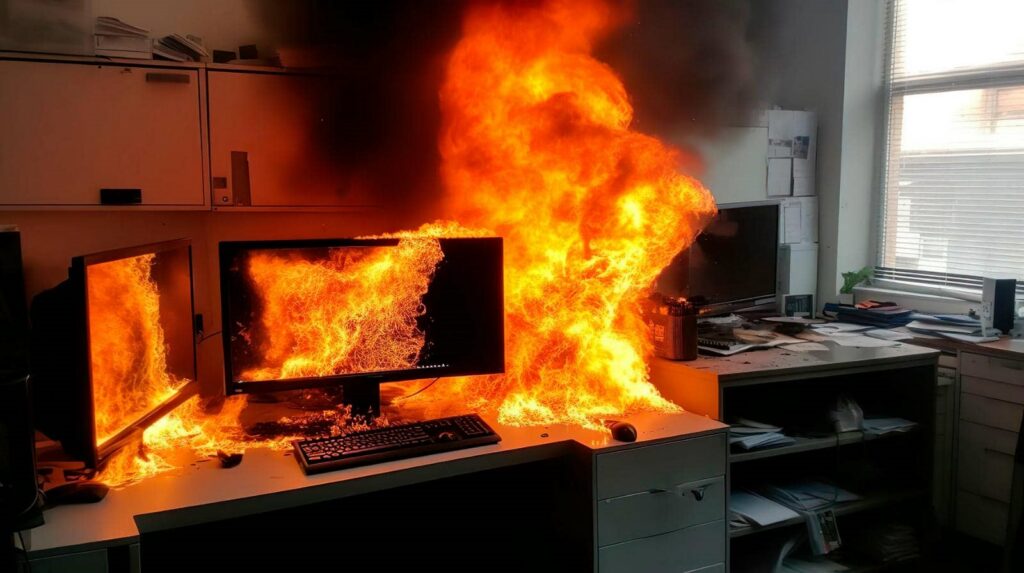
When faced with commercial fire or water damage, your immediate response can greatly impact the recovery process. Understanding the essential steps to take, from contacting emergency services to implementing advanced repair techniques, is vital. You’ll want to take into account the right restoration company and preventative measures to safeguard your business from future incidents. What strategies can you employ to guarantee a swift and effective recovery?
Key Takeaways
- Implement advanced fire suppression systems and waterproofing solutions to enhance building safety against fire and water damage.
- Conduct regular maintenance checks on fire alarms, sprinkler systems, plumbing, and electrical wiring to prevent potential hazards.
- Choose a restoration company with industry certifications, quick response times, and customer satisfaction guarantees for effective damage recovery.
- Document all damage and restoration actions for insurance purposes, ensuring thorough assessments and clear communication with the insurance provider.
- Regularly evaluate and update risk management strategies and infrastructure upgrades based on evolving threats and past assessments.
Immediate Steps to Take After a Fire or Water Incident
What should you do immediately after a fire or water incident? First, guarantee everyone’s safety by following established safety protocols. Evacuate the premises if necessary, and don’t re-enter until authorities declare it safe.
Next, initiate your emergency response plan. Contact emergency services to assess the situation and mitigate further damage. Document any damage thoroughly with photographs and notes for insurance purposes.
Communicate with your team about the incident and reassure them that their safety is a priority. After that, reach out to your insurance provider to report the incident.
Begin coordinating with restoration professionals experienced in fire and water damage. Taking these steps promptly will help you manage the aftermath effectively and foster a sense of community support during recovery.
Key Fire Damage Repair Techniques
When addressing fire damage, it’s vital to implement effective smoke odor removal techniques and assess structural integrity.
You need to understand how these methods can mitigate long-term damage and guarantee safety.
Smoke Odor Removal Techniques
Effective smoke odor removal techniques are vital in restoring properties after fire damage.
Start by utilizing advanced smoke removal techniques, such as thermal fogging and ozone treatment, which penetrate materials to eliminate deeply embedded odors.
Following this, employ odor neutralization methods like activated charcoal or enzymatic cleaners to target specific smoke residues.
It’s important to thoroughly ventilate all areas, ensuring that air circulation aids in odor dispersal.
Using air scrubbers equipped with HEPA filters can further enhance air quality, capturing residual particles.
Regularly checking and replacing HVAC filters helps prevent the recirculation of odors.
Structural Integrity Assessment Methods
Evaluating the structural integrity of a building after fire damage is essential for guaranteeing safety and stability.
Start with load bearing assessments to determine if the structural elements can still support the building’s weight. Inspect beams, columns, and walls for signs of compromise.
Next, conduct foundation evaluations to identify potential shifts or cracks caused by the fire’s intensity. This process often involves using specialized equipment to measure stress and strain on the foundation.
Engage with structural engineers who can provide thorough analysis and recommendations.
By addressing these critical assessments, you can guarantee your building’s safety, maintain its value, and foster a secure environment for occupants.
Prioritize these evaluations to protect your investment and community effectively.
How to Restore Water Damage in Your Business
Although water damage can disrupt your business operations considerably, taking swift and methodical action can mitigate its long-term effects. Start by conducting a thorough assessment to identify the extent of the damage.
Next, initiate water extraction immediately; this step is essential to prevent further deterioration. Use industrial-grade pumps and dehumidifiers to remove standing water and reduce humidity levels.
Once you’ve addressed the immediate water issue, focus on mold prevention. Clean and disinfect affected areas, and consider using antimicrobial treatments to inhibit mold growth. Guarantee proper ventilation in the space to facilitate drying.
Finally, document all actions taken for insurance purposes and future reference. Following these steps can help restore your business and maintain a safe environment for your team and customers.
Choosing the Right Fire and Water Restoration Company
How do you guarantee that you select the right fire and water restoration company for your business?
It’s vital to make an informed choice that aligns with your needs. Here are some key factors to take into account:
Customer Reviews: Check online ratings and testimonials to gauge satisfaction levels.
Service Guarantees: Make sure they offer warranties on their work to protect your investment.
Certifications: Look for companies with industry-standard certifications and trained professionals.
Response Time: Choose a company that can respond quickly to minimize damage.
Comprehensive Services: Opt for a company that handles both fire and water damage for seamless recovery.
Top Preventative Strategies to Avoid Fire and Water Damage
To effectively minimize the risk of fire and water damage, you’ll want to implement a series of preventative strategies.
Conduct regular maintenance checks on your systems, invest in fire safety training for your staff, and establish robust water damage prevention measures.
These proactive steps can greatly enhance your facility’s resilience against potential hazards.
Regular Maintenance Checks
Regular maintenance checks are essential for safeguarding your commercial property against fire and water damage.
Establishing a routine inspection and adhering to maintenance schedules can greatly reduce risks. Here are key areas to focus on during your checks:
- Inspect fire alarms and sprinkler systems for proper functionality.
- Check for leaks in plumbing and HVAC systems.
- Assess electrical wiring for wear or damage.
- Examine roofing and drainage systems for blockages.
- Verify fire extinguishers are accessible and up to date.
Fire Safety Training
While fire safety training may seem like a secondary consideration, it plays an essential role in preventing fire and water damage in commercial properties.
Regularly scheduled fire drills guarantee that all employees know evacuation procedures and the location of emergency exits. This familiarity reduces panic during real emergencies, promoting a swift and organized evacuation.
Additionally, training sessions should cover the proper use of fire extinguishers and the importance of reporting potential hazards. By engaging employees in fire safety protocols, you create a culture of safety that fosters teamwork and accountability.
Ultimately, investing in thorough fire safety training not only protects your assets but also cultivates a sense of security and belonging among staff, reinforcing their importance in maintaining a safe workplace.
Water Damage Prevention
When it comes to safeguarding your commercial property from water damage, proactive measures are crucial. Implementing effective strategies can considerably reduce your risk.
Consider the following preventative measures:
- Install water detection systems to alert you to leaks before they escalate.
- Use moisture barriers in areas prone to flooding, such as basements and crawl spaces.
- Regularly inspect plumbing for leaks and corrosion to catch issues early.
- Maintain gutters and downspouts to guarantee proper drainage away from your building.
- Educate staff on identifying signs of water damage, fostering a culture of awareness.
How to Navigate Insurance Claims for Fire and Water Damage
How do you effectively navigate the complexities of insurance claims for fire and water damage? First, understand the insurance process thoroughly. Review your policy to know what’s covered and any limitations.
Next, document all damage meticulously. Take photos and keep a detailed inventory of affected items. This claim documentation will support your case and streamline communication with your insurer.
Contact your insurance provider promptly to report the damage and initiate the claims process. Stay organized by keeping records of all correspondence and claims submissions.
Be proactive in following up on the status of your claim, as persistence can expedite resolution. By staying informed and prepared, you’ll enhance your chances of a successful claim outcome.
Cost Factors for Fire and Water Damage Restoration
Understanding the cost factors for fire and water damage restoration is essential for homeowners and business owners alike, as these expenses can vary notably based on several key elements.
Several components influence restoration pricing and damage assessment, including:
Extent of Damage: The severity of fire or water impact notably affects costs.
Type of Materials: Different materials require varied restoration techniques and costs.
Labor Costs: Skilled labor rates can fluctuate based on location and expertise.
Equipment and Technology: Specialized tools and technologies can add to overall expenses.
Timeframe for Restoration: Urgency can lead to increased costs due to expedited services.
Being aware of these factors helps you make informed decisions during the restoration process, ensuring you’re prepared for the financial implications.
Long-Term Solutions for Mitigating Future Risks in Commercial Buildings
To effectively mitigate future risks associated with fire and water damage in commercial buildings, implementing a detailed risk management strategy is essential.
Start with a thorough risk assessment to identify potential vulnerabilities specific to your property. By pinpointing high-risk areas, you can prioritize necessary building upgrades that enhance fire resistance and water damage prevention.
Consider integrating advanced fire suppression systems and waterproofing solutions that align with industry standards. Regularly revisiting your risk assessment will help you adapt to evolving threats and guarantee your upgrades remain effective.
Furthermore, fostering a culture of safety among staff will promote awareness and proactive measures.
Frequently Asked Questions
What Types of Businesses Are Most Vulnerable to Fire and Water Damage?
Retail stores and manufacturing facilities are most vulnerable to fire and water damage. You should consider implementing strict safety protocols and regular maintenance to safeguard your business against these potentially devastating incidents and their financial repercussions.
How Long Does Fire and Water Damage Restoration Typically Take?
When it rains, it pours, and restoration timelines can vary. Typically, after a thorough damage assessment, expect restoration to take days to weeks, depending on the extent of damage and necessary repairs.
Can I Stay in My Building During Restoration Work?
You shouldn’t stay in your building during restoration work due to fire safety concerns. Restoration timelines can vary, and staying could hinder progress. Prioritize your safety and consider temporary relocation until the work’s completed.
Are There Any Government Grants for Fire and Water Damage Recovery?
Yes, you can find government grants and assistance programs for fire and water damage recovery. Research local resources, apply for federal aid, and explore nonprofit organizations dedicated to helping businesses like yours rebuild and recover effectively.
What Items Are Salvageable After a Fire or Water Incident?
You can often salvage items like furniture, electronics, and personal belongings during the restoration process. Assess each item carefully; if they’re damaged but not beyond repair, you might successfully restore them to their original condition.
Final Thoughts
Addressing fire and water damage in your commercial property requires swift action and strategic planning. Think of your restoration efforts as a well-oiled machine; each component, from immediate response to preventative measures, plays a crucial role in its efficiency. By choosing the right restoration company and implementing ongoing maintenance, you not only restore your space but also shield it from future threats. Stay proactive, and you’ll keep your business resilient against the unexpected.
Recent Posts
Health Risks of Sewage Backup: What Property Owners Should Know
If you own a property, you need to treat sewage backup as an immediate health
How to Clean Up Sewage Safely—and When to Call a Professional
Clean up sewage safely by starting with the right precautions before touching a single contaminated
Sewage Backup in Your House? Here’s What Happens Next
If sewage backs up in your house, you need to act fast before the damage