
Contents
Is it true that ignoring water damage can lead to more significant issues down the line? Many homeowners believe that a quick fix will suffice, but the consequences of inaction can be severe. Understanding the right steps to take after water exposure is essential for effective Water Damage Restoration. By exploring the key strategies and tools you need, you’ll be better equipped to tackle potential disasters before they escalate.
Key Takeaways
- Act swiftly to assess the damage and identify the water source to prevent further escalation.
- Document all damage with photos for efficient insurance claims and restoration planning.
- Utilize appropriate water removal equipment, such as portable or truck-mounted extractors, based on the severity of the damage.
- Implement thorough drying techniques using dehumidifiers, fans, and moisture detection tools to ensure all hidden moisture is eliminated.
- Prioritize safety by using protective gear like gloves, goggles, and waterproof boots during the restoration process.
Understanding the Impact of Water Damage on Your Home
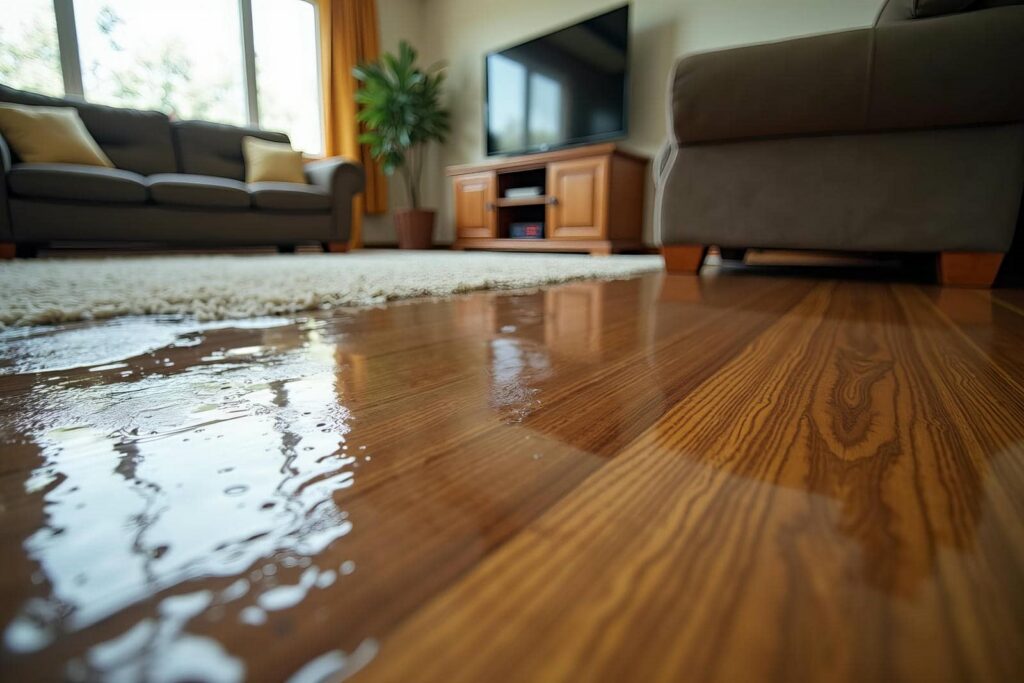
When water infiltrates your home, it can cause extensive damage that often goes unnoticed until it’s too late. The immediate water damage effects can include warped flooring, weakened structures, and mold growth, which can pose serious health risks.
These issues not only compromise your home’s integrity but can also lead to long-term consequences such as persistent odors and increased repair costs. You might find that walls and ceilings develop stains, and electrical systems can become hazardous.
Understanding these impacts is vital; addressing water damage promptly prevents minor issues from escalating into major renovations. By staying informed, you can protect your sanctuary and ensure your home remains a safe and welcoming space for you and your loved ones.
Prioritize Immediate Action: What to Do First
Although water damage can escalate quickly, taking immediate action can greatly mitigate its effects.
First, contact your emergency contacts, such as your insurance provider and a reliable restoration company. They’ll guide you through the process and provide professional assistance.
Next, perform an initial assessment of the situation. Identify the source of the water, whether it’s a burst pipe or a roof leak, and address it if safe to do so. Document the damage with photos for insurance claims.
Remove valuables from affected areas and, if possible, begin drying out the space using fans or dehumidifiers. Every moment counts, so don’t hesitate to act swiftly.
You’re not alone in this; reaching out can make all the difference.
How to Evaluate Water Damage Severity?
To evaluate water damage severity, start by identifying all affected areas in your property, including walls, floors, and ceilings.
Next, assess the source of the water—whether it’s from a leak, flooding, or a burst pipe—to determine the potential risks involved.
Understanding these elements will guide you in prioritizing your restoration efforts effectively.
Identify Affected Areas
Evaluating the severity of water damage involves a systematic approach to identifying affected areas within your property.
Start by conducting a thorough damage assessment, focusing on visible signs like discoloration, warping, or mold growth.
Utilize moisture detection tools, such as moisture meters, to identify hidden moisture in walls, floors, and ceilings.
Pay special attention to areas near plumbing fixtures, appliances, and windows, as these are often prone to leaks.
Don’t forget to check your basement and crawl spaces, where water accumulation can occur unnoticed.
Document your findings meticulously, as this information will aid in formulating an effective restoration plan.
Assess Water Source
How can you accurately assess the source of water damage to gauge its severity?
Start with source identification—determine if the water is clean, gray, or black. Clean water from a broken pipe poses less risk than contaminated water from sewage.
Utilize leak detection tools like moisture meters and infrared cameras to pinpoint hidden leaks, especially behind walls or under floors.
Look for telltale signs such as discoloration, dampness, or mold growth. Document your findings, as this will help you prioritize repairs and mitigation efforts.
Understanding the source and severity allows you to take informed action, ensuring your restoration process is efficient and effective.
You’re not alone in this; seeking professional help can make a significant difference.
Selecting Water Removal Equipment
When selecting water removal equipment, you need to evaluate the specific types of water extractors available, as each serves a different purpose based on the severity of the damage.
Additionally, ensuring you have essential safety equipment is vital to protect yourself during the restoration process.
Understanding these factors will help you choose the right tools for effective and safe water removal.
Types Of Water Extractors
Choosing the right water extractor is essential for effective water removal, as different situations call for specific equipment.
For smaller, localized jobs, portable extractors are ideal. They’re versatile, easy to maneuver, and allow you to reach tight spaces, making them perfect for residential settings.
On the other hand, truck mounted extractors are built for larger-scale operations. They provide superior suction power and can handle extensive water removal quickly, making them suitable for commercial properties or severe flooding scenarios.
Assess the size and nature of the water damage to determine what suits your needs best.
Essential Safety Equipment
Selecting the right water removal equipment goes hand in hand with ensuring safety throughout the restoration process. Before you plunge in, gear up with essential safety equipment.
Start with safety goggles to protect your eyes from debris and contaminants that may arise during water extraction. Next, don’t underestimate the importance of protective gloves; they shield your hands from sharp objects and hazardous materials.
Additionally, consider waterproof boots for ideal foot protection against slippery surfaces. A hard hat can also be beneficial, especially in areas where ceilings may be compromised.
Techniques for Ensuring Complete Drying
To ensure complete drying after water damage, it’s crucial to implement a systematic approach that combines both equipment and techniques.
Start by utilizing moisture detection tools to identify hidden water pockets in walls and floors. Once you’ve pinpointed the affected areas, deploy effective dehumidification techniques.
Use commercial-grade dehumidifiers to extract moisture rapidly from the air, and maintain proper airflow with fans strategically placed throughout the space. Additionally, consider employing heat sources to accelerate evaporation.
Regularly monitor humidity levels to confirm you’re on track for complete drying. Remember, thorough drying prevents mold growth and protects your home’s structure.
Why Professional Help Is Crucial for Water Damage Restoration
When faced with water damage, relying on professional help is essential to ensure a thorough restoration process. Experts provide immediate emergency response and ensure that every aspect of the damage is addressed, preventing future issues.
Here’s why you shouldn’t hesitate:
- Technical Expertise: Professionals have the skills and tools to identify hidden moisture and structural damage.
- Efficient Drying: They use advanced equipment for rapid and complete drying.
- Insurance Claims: Experts assist in documenting damage, making insurance claims smoother and less stressful.
- Peace of Mind: Knowing that trained professionals are handling your situation allows you to focus on restoring your home and life.
Trusting professionals fosters a sense of community and support during such stressful times.
Tips to Prevent Future Water Damage
Although water damage can sometimes feel inevitable, there are practical steps you can take to minimize your risk. Start by implementing effective waterproofing methods, such as applying sealants to foundations and ensuruing your basement walls are watertight.
Regularly inspect your roof for leaks and clean gutters to prevent water overflow. Invest in proper drainage solutions, like French drains or sump pumps, to divert water away from your property.
Additionally, make certain that downspouts direct water at least six feet away from your home’s foundation. Finally, monitor your plumbing for leaks and address any issues promptly.
Frequently Asked Questions
How Can I Identify Hidden Mold After Water Damage?
To identify hidden mold, conduct a moisture assessment in areas prone to dampness. Use mold detection kits or hire professionals to ensure thorough inspection, as hidden mold can lead to serious health issues if left untreated.
What Insurance Coverage Typically Includes Water Damage Restoration?
Most insurance policies cover water damage restoration, especially from sudden events like burst pipes. However, be aware that specific coverage varies, so it’s essential to review your policy details and discuss with your agent.
How Long Does the Water Damage Restoration Process Usually Take?
The restoration timeline typically ranges from a few days to weeks, depending on damage severity. You’ll witness the effectiveness of advanced drying techniques, transforming your space and restoring comfort while you await revitalization.
Can I Handle Water Damage Restoration Myself?
You can handle water damage restoration yourself, but it’s essential to follow safety precautions. DIY restoration requires technical expertise; make certain you’ve got the right tools and knowledge to effectively tackle the issues and prevent further damage.
What Are the Long-Term Effects of Water Damage on Health?
Water damage can lead to mold exposure, which poses significant health risks. You might experience respiratory issues, allergies, or other long-term effects if left untreated. Addressing moisture promptly is essential for maintaining a healthy living environment.
Conclusion
In the face of water damage, time’s your most valuable ally. By acting swiftly and strategically, you can turn a potential disaster into a manageable challenge. Remember, thorough evaluation and complete drying are your shields against future woes. Don’t hesitate to call in the experts when the situation feels overwhelming; their knowledge can be the compass guiding you through the storm. With diligence and the right tools, you’ll restore your home and your peace of mind.
Recent Posts
Emergency Water Damage Cleanup: What Happens When Help Arrives?
When you call for emergency water damage cleanup, the first crew on site checks the
Understanding the Water Damage Restoration Process From Start to Finish
You might not realize how much damage hidden moisture can do until it starts affecting
Water Damage Restoration: The Complete Guide to Protecting Your Property
When water damage hits, you need to act fast to limit structural loss, mold growth,