
Contents
Imagine coming home to find your basement flooded after a heavy rainstorm, with water seeping into your living space. It’s vital to act quickly but calmly. First, make sure everyone is safe and evacuate if necessary. What you do next can greatly impact the fire and water recovery process and your insurance claim. So, let’s explore the essential steps you should take to address fire or water damage effectively.
Key Takeaways
- Ensure everyone’s safety first; check for injuries and evacuate if necessary before addressing the damage.
- Contact local authorities or restoration services immediately to initiate the recovery process.
- Document all damage with photos for insurance claims and detailed notes for future reference.
- Turn off utilities, if safe to do so, to prevent further hazards like electrical issues or water leaks.
- Wear protective gear during cleanup and prioritize drying affected areas to prevent mold growth.
Immediate Steps to Take After Fire or Water Damage
After experiencing fire or water damage, it’s essential to act swiftly to minimize further harm to your property and assure your safety.
First, make sure everyone’s safe; check for injuries and follow safety protocols. If you smell smoke or see standing water, evacuate immediately.
Next, contact your emergency contacts, such as local authorities or a trusted restoration service. Document the damage with photos for insurance claims, but avoid returning to the property until it’s declared safe.
Turn off utilities if possible and secure the area to prevent theft.
How to Assess the Damage After Fire or Water?
Once you’ve ensured everyone’s safety and taken the immediate steps to secure your property, it’s time to assess the damage.
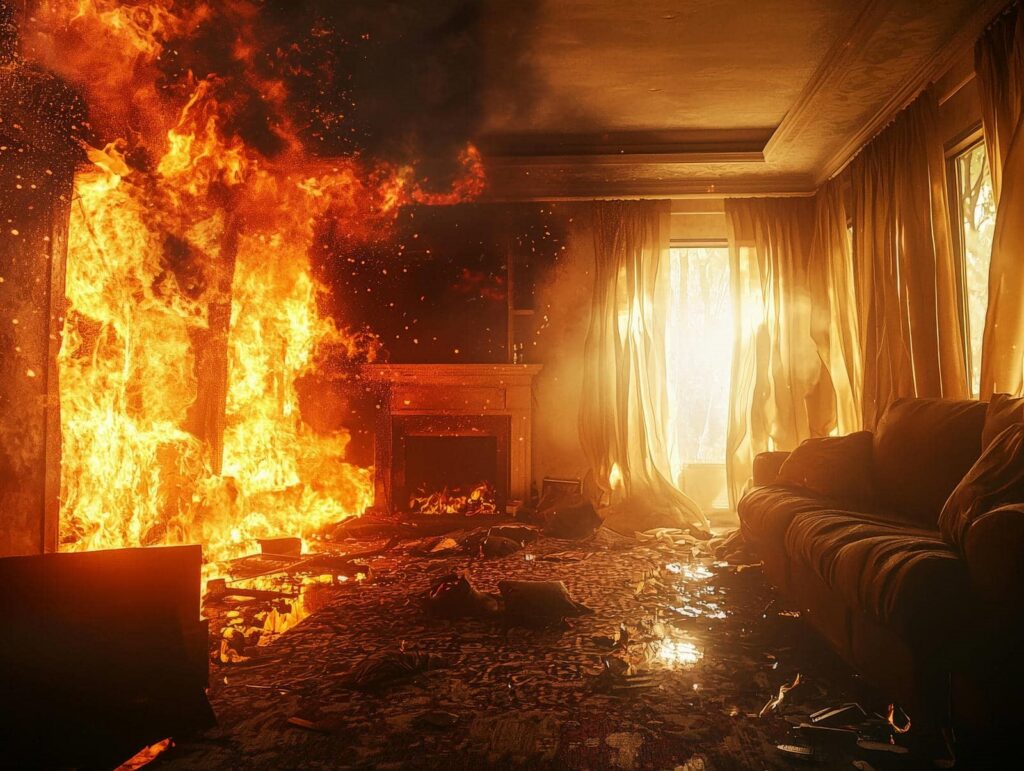
Begin your damage evaluation by carefully inspecting each room, noting visible signs of fire or water impact. Look for charred materials, waterlogged carpets, and structural issues.
Use safety precautions, like wearing gloves and a mask, to protect yourself from hazardous debris. Document everything with photos and detailed notes; this will help when discussing repairs with professionals.
Don’t hesitate to reach out for support from local services or community resources. Remember, you’re not alone in this; there are people and organizations ready to help you navigate these challenges and restore your home.
How to Clean Up Safely After Fire or Water Damage
Cleaning up after fire or water damage can feel overwhelming, but taking it step by step will help you regain control.
Begin by wearing protective gear—gloves, masks, and sturdy boots—to ensure your safety. Use effective cleaning techniques like blotting water-damaged areas instead of scrubbing, which can spread damage. For fire damage, vacuum with a HEPA filter to minimize soot particles in the air.
Next, prioritize drying out affected areas by using fans and dehumidifiers. Always check for hidden moisture to prevent mold growth.
Throughout this process, stay mindful of safety precautions, like turning off electricity and avoiding contaminated water.
When to Seek Professional Help for Restoration Services
Knowing when to seek professional help for restoration services can be just as important as the cleaning process itself. If the damage is extensive or if you’re feeling overwhelmed, it’s time to call in experts.
When water damage has affected your walls, floors, or electrical systems, professional restoration is essential to prevent mold and structural issues. Similarly, after a fire, lingering smoke damage and hazardous materials require specialized emergency services.
Don’t hesitate to reach out; you’re not alone in this. Professionals can assess the situation quickly and provide tailored solutions, ensuring your home is restored safely and efficiently.
Trusting experts protects your property and gives you peace of mind during a challenging time.
Preventing Future Fire and Water Damage
To protect your home from future fire and water damage, it’s essential to take proactive steps.
Installing smoke detectors, scheduling regular plumbing inspections, and utilizing firebreak landscaping techniques can greatly reduce your risks.
You deserve peace of mind knowing that your home is safeguarded against potential disasters.
Install Smoke Detectors
While you mightn’t think about them often, installing smoke detectors is an essential step in preventing future fire and water damage.
These devices come in various smoke detector types, including ionization, photoelectric, and dual-sensor models, each suited for different environments. When installing, place them on every level of your home, ideally near sleeping areas, to ensure early detection.
Regularly test your smoke detectors monthly and replace batteries at least once a year. Consider interconnected models that alert you throughout your home when one detects smoke.
By taking these steps, you create a safer environment for yourself and your loved ones, fostering a sense of belonging and security that everyone deserves.
Prioritize safety; it’s a small investment for peace of mind.
Regular Plumbing Inspections
Regular plumbing inspections are essential for maintaining the integrity of your home and preventing fire and water damage. By prioritizing plumbing maintenance, you can spot potential issues before they escalate into costly repairs or dangerous situations.
A professional inspector can conduct thorough leak detection, identifying hidden leaks and vulnerabilities in your plumbing system. This proactive approach safeguards your home and gives you peace of mind, knowing you’re taking steps to protect your loved ones and belongings.
Regular inspections foster a sense of community, as you engage with trusted professionals who understand your needs. Make it a habit to schedule these inspections, and you’ll ensure a safer, healthier living environment for everyone in your home.
Firebreak Landscaping Techniques
Maintaining your plumbing system is just one part of protecting your home from fire and water damage.
Firebreak landscaping techniques can greatly reduce risks and foster a safer environment. Here are some effective strategies you can implement:
Choose fire-resistant plants: Select native, drought-resistant flora that can withstand flames.
Create landscape barriers: Use gravel or stone to break up vegetation, slowing fire spread.
Clear debris regularly: Remove dead leaves and branches from your yard to minimize fuel sources.
Maintain a defensible space: Trim trees and shrubs, ensuring they’re at least 30 feet from your home.
Navigating Insurance Claims for Damage Coverage
When disaster strikes your home due to fire or water damage, managing the insurance claims process can feel overwhelming and challenging.
First, review your insurance policy to understand your coverage and exclusions. Document all damages with photos and detailed notes; this evidence is essential in supporting your claim.
Next, contact your insurance company promptly to initiate the claims process. Be prepared to provide necessary documentation and answer questions about the damage. Keep records of all communications, as they’ll be helpful if disputes arise.
Essential Resources for Fire and Water Damage Recovery
How can you effectively navigate the recovery process after experiencing fire or water damage?
It’s vital to have the right resources at your fingertips. Here are four essential ones to aid your recovery:
Fire Safety Experts: Consult professionals to assess damage and ensure safe environments.
Water Restoration Services: Engage certified companies specializing in water damage to restore your home effectively.
Local Support Groups: Connect with community organizations that provide emotional support and resources for families in crisis.
Emergency Kits: Prepare kits that include essential supplies to help you through initial recovery stages.
Utilizing these resources helps in physical restoration and fosters a sense of belonging during this challenging time.
You’re not alone in this journey.
Frequently Asked Questions
Can I Stay in My Home After Fire or Water Damage?
You shouldn’t stay in your home after fire or water damage until a safety assessment confirms it’s safe. If it’s not, consider temporary housing options to ensure your well-being and peace of mind during recovery.
How Long Does It Take to Restore a Property?
Restoration’s like piecing together a puzzle. The timeline varies, but after a thorough damage assessment, expect weeks to months for complete restoration. Patience is key as you navigate this challenging journey toward recovery.
Will My Belongings Be Salvageable After Damage?
Many of your belongings might be salvageable, depending on the damage. The restoration process focuses on evaluating and cleaning items, so don’t lose hope—professionals can often restore cherished possessions to their former glory.
What Should I Do With Pets During Restoration?
How can you ensure your pet’s safety during restoration? Arrange for temporary housing away from the chaos, keeping them calm and secure. Prioritize their comfort while you focus on restoring your home. They’ll appreciate it.
How Can I Prevent Mold Growth After Water Damage?
To prevent mold growth, you need effective mold remediation and humidity control. Keep indoor humidity below 60%, use dehumidifiers, and ensure proper ventilation. Regularly inspect for leaks and act quickly to dry affected areas.
Final Thoughts
In the aftermath of fire or water damage, remember you’re not alone—it’s a journey, not a sprint. By following the steps outlined, you can navigate the chaos with confidence and restore your home. Prioritize safety, assess the damage, and don’t hesitate to lean on professionals when needed. With patience and the right resources, you’ll turn this setback into a comeback, ensuring your space is safe and secure for the future.
Recent Posts
Water Mitigation vs Restoration: Understanding the Difference
When water damage hits, you need to know whether you’re dealing with mitigation or restoration,
How Quickly Does Mold Grow After Water Damage in Your Home?
You might assume mold takes weeks to appear, but after water damage it can start
What to Do After Water Damage: A Homeowner’s Action Plan
The fastest response after water damage is often the one that prevents the worst loss.