
Contents
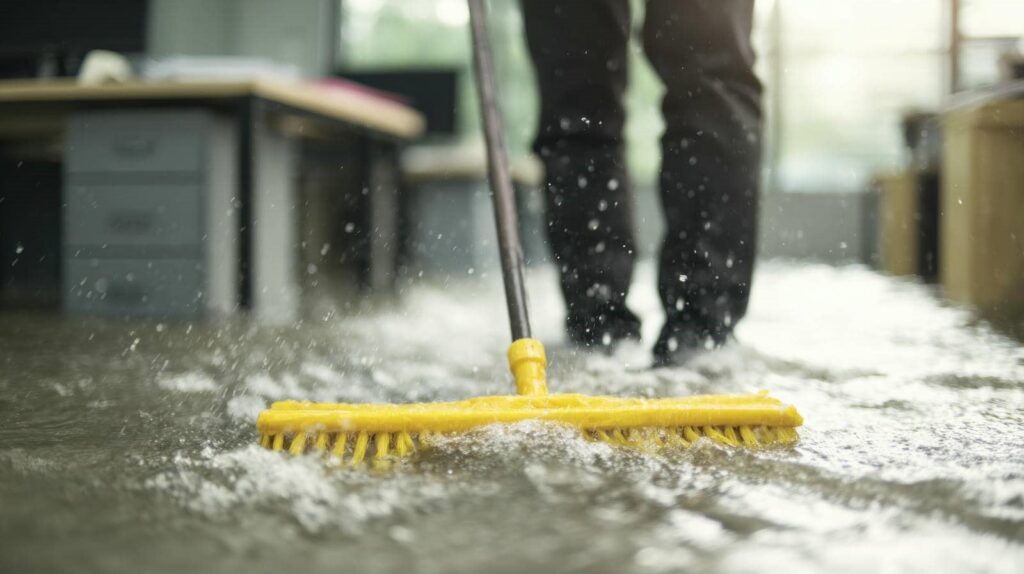
Flood Damage Cleanup is essential for protecting your business after water intrusion and preventing long-term damage. A fast response helps reduce the risk of mold growth, structural deterioration, equipment loss, and disruptions that can impact your reputation and operations. Begin by securing the affected area, assessing the extent of the damage, and removing standing water with the right extraction equipment. Professional drying, cleaning, disinfection, and moisture monitoring help restore your property and create a safer environment. Having a clear recovery plan allows your business to recover faster and minimize the impact of flood damage.
Key Takeaways
- Flood damage cleanup is essential to restore structural integrity and prevent further deterioration of the property.
- Swift cleanup mitigates operational downtime, reducing revenue loss and maintaining customer trust.
- Effective removal of contaminants prevents health risks and ensures a safe working environment for employees.
- Quick action on cleanup helps protect brand reputation and demonstrates commitment to quality service.
- Engaging professional services and documenting the process aids in insurance claims and community support during recovery.
The Immediate Risks of Flood Damage for Businesses
When a flood strikes, the immediate risks to your business can be overwhelming, as the water can quickly compromise structural integrity and damage essential equipment. Without proper emergency preparedness, you might face significant financial losses and disruption.
Conducting a thorough risk assessment before disaster strikes helps identify vulnerabilities, allowing you to implement effective strategies that protect your assets. This proactive approach safeguards your operations and fosters a sense of community among your team, as everyone plays a role in preparedness.
Impact of Flood Damage on Business Operations
Although floods may seem like a temporary disruption, their impact on business operations can be long-lasting and profound.
You may face challenges that threaten your business continuity and operational resilience, affecting your bottom line and community trust.
Consider these consequences:
Revenue Loss: Extended downtime can lead to significant financial strain, jeopardizing your ability to pay employees and suppliers.
Customer Trust: Delays in service or product availability can erode customer loyalty, making it difficult to rebuild relationships.
Reputation Damage: A slow recovery can tarnish your reputation, leading potential clients to seek more reliable alternatives.
Recognizing these impacts is essential, as they highlight the importance of swift and effective flood damage cleanup for your business’s future and stability.
How Quick Responses Can Offset Flood Damage Impact
A swift response to flood damage can greatly mitigate its adverse effects on your business. By implementing effective response strategies, you protect your physical assets and enhance your reputation within the community.
Quick action helps prevent further damage, such as mold growth or structural issues, which can lead to higher repair costs and longer downtime. Engaging professional services immediately can ensure thorough damage mitigation, allowing you to resume operations sooner.
This proactive approach fosters trust among your employees and customers, showing that you care about their well-being. Remember, the quicker you act, the better your chances of minimizing losses and maintaining a sense of normalcy in the face of adversity.
Essential Steps for Effective Flood Damage Cleanup
When facing flood damage, the first thing you need to do is assess the extent of the destruction to understand what you’re dealing with.
After that, it’s vital to remove any contaminated materials to prevent further health risks.
Finally, drying and dehumidifying the area will help mitigate lingering moisture and promote a healthier environment for your business.
Assess The Damage First
As you commence on the challenging journey of flood damage cleanup, evaluating the damage first is essential for effective recovery.
A thorough preliminary evaluation and damage assessment help you understand the situation better, guiding your next steps. This process can feel overwhelming, but breaking it down into manageable parts can foster a sense of control and community support.
Identify structural damage to ensure safety.
Assess inventory losses to understand the financial impact.
Document affected areas for insurance claims.
Remove Contaminated Materials
Following your assessment of the damage, the next step involves removing contaminated materials to prevent further health risks and structural issues.
It’s essential to identify items that have come into contact with floodwaters, as they can harbor hazardous waste that poses serious threats to your health and safety. This includes carpets, insulation, drywall, and any porous materials that can’t be adequately cleaned.
Carefully categorize these materials for proper disposal, ensuring you follow local regulations for hazardous waste. Engaging professionals can provide peace of mind, as they understand the nuances of safe removal.
Dry And Dehumidify Area
After removing contaminated materials, it’s vital to dry and dehumidify the affected area to mitigate further damage and prevent mold growth.
Effective moisture control is fundamental in this process. Utilizing appropriate dehumidification techniques can make all the difference in restoring your space.
Here are three key steps to follow:
Ventilation: Open windows and doors to promote airflow and help moisture escape.
Dehumidifiers: Invest in high-capacity dehumidifiers to actively reduce humidity levels in the air.
Heating: Raise the temperature in the area to speed up evaporation and encourage drying.
Why Acting Quickly Can Prevent Long-Term Flood Damage
When floodwaters invade your business, time is of the essence, as every moment that passes can lead to more extensive damage and greater repair costs. Acting quickly enhances your emergency response and allows you to implement effective prevention strategies.
Water can seep into walls, floors, and equipment, causing mold growth and structural issues that may linger long after the initial flooding. By addressing the situation promptly, you can mitigate these risks, protect your assets, and ensure a faster recovery.
How to File Insurance Claims for Flood Damage?
When filing an insurance claim for flood damage, you’ll need to gather all necessary documentation, including photos and repair estimates.
It’s also essential to understand your policy’s coverage limits to avoid any surprises down the line.
Taking these steps can greatly streamline the claims process and help you recover more effectively.
Gather Necessary Documentation
While steering through the aftermath of a flood, gathering the necessary documentation for your insurance claim is essential to ensuring a smooth recovery process.
Proper documentation types can make or break your claim process, helping you feel more secure in your next steps.
Photos of Damage: Capture the extent of the destruction to substantiate your claim.
Repair Estimates: Collect quotes from contractors to outline the necessary repairs and associated costs.
Inventory Lists: Document damaged items with their values to streamline the claims evaluation.
Understand Policy Coverage Limits
Understanding your policy coverage limits is essential for maneuvering the complexities of filing an insurance claim for flood damage. Take time to review your policy thoroughly, focusing on coverage limits and any policy exclusions that may affect your claim. Knowing these details can help you avoid unpleasant surprises during the claims process.
If your business faces significant damage, understanding how much your policy will cover can provide peace of mind. Don’t hesitate to reach out to your insurance agent for clarification on coverage specifics. They can guide you through your policy, ensuring you feel supported and informed.
Protecting Your Brand Reputation After Flood Damage
Flood damage can strike unexpectedly, leaving not just physical destruction but also a potential threat to your brand’s reputation.
To protect your brand during this challenging time, consider implementing effective brand recovery strategies and reputation management tactics. Focus on these three key actions:
Transparent Communication: Keep your customers informed about recovery efforts; honesty fosters trust.
Swift Action: Quickly initiate cleanup and repairs to demonstrate your commitment to service and quality.
Engage Your Community: Show support for your local community, as rebuilding together strengthens bonds and enhances your image.
Frequently Asked Questions
What Types of Businesses Are Most Vulnerable to Flood Damage?
Retail businesses and hospitality sectors face significant vulnerabilities to flood damage. You’ll find these industries often lacking in resilience, making them susceptible to hazards that disrupt operations and threaten their community connections and customer trust.
How Can Employees Be Trained for Flood Emergencies?
You can train employees for flood emergencies by implementing flood response training and conducting regular emergency drills. This ensures everyone feels prepared, fostering a sense of belonging and teamwork while enhancing safety and confidence during real situations.
Are There Specific Flood Cleanup Certifications for Businesses?
Yes, you can pursue flood restoration certifications that align with business safety standards. These certifications equip you with essential skills, ensuring your team feels prepared and secure when facing potential flood emergencies in the workplace.
What Financial Assistance Is Available for Flood Recovery?
When it rains, it pours, but help’s on the way. You can apply for federal grants and file insurance claims to ease recovery costs. These resources can bring your business back to life after flooding.
How Can Businesses Prepare for Potential Future Floods?
You can enhance flood preparedness strategies by creating detailed emergency response plans. Train your staff regularly, ensure proper communication channels, and invest in protective measures. Together, these actions foster resilience and belonging in your business community.
Conclusion
In the face of flood damage, prompt and proactive cleanup is paramount. Swift actions safeguard your business’s stability, ensuring you bounce back with strength and success. By tackling water issues quickly, you protect your physical space and preserve your brand’s reputation. Remember, the sooner you respond, the less the long-term losses. Don’t let delays drown your dreams; act decisively to secure your company’s future and minimize the ripple effects of recovery.
Recent Posts
Emergency Water Damage Cleanup: What Happens When Help Arrives?
When you call for emergency water damage cleanup, the first crew on site checks the
Understanding the Water Damage Restoration Process From Start to Finish
You might not realize how much damage hidden moisture can do until it starts affecting
Water Damage Restoration: The Complete Guide to Protecting Your Property
When water damage hits, you need to act fast to limit structural loss, mold growth,