
Contents
When dealing with flood damage, you may wonder why structural drying is critical for effective cleanup. This process goes beyond simple drying; it targets the moisture that can lead to serious long-term issues like mold and structural degradation. Understanding the intricacies of structural drying can greatly impact your recovery efforts and property integrity. Let’s explore the essential steps and benefits that come with this specialized approach.
Key Takeaways
- Structural drying effectively removes moisture, preventing mold growth and ensuring a healthier living environment post-flood.
- It accelerates the restoration process, allowing property owners to return to normalcy faster.
- Professional drying services use advanced equipment and techniques for thorough moisture removal, safeguarding structural integrity.
- Timely drying reduces long-term repair costs by preventing further damage and complications.
- Expert assessments ensure all affected areas are identified and treated, minimizing the risks associated with hidden moisture.
What You Need to Know About Structural Drying
When your property suffers from flood damage, understanding structural drying is vital to restoring it effectively. This process involves moisture control to prevent long-term issues like mold growth and structural deterioration.
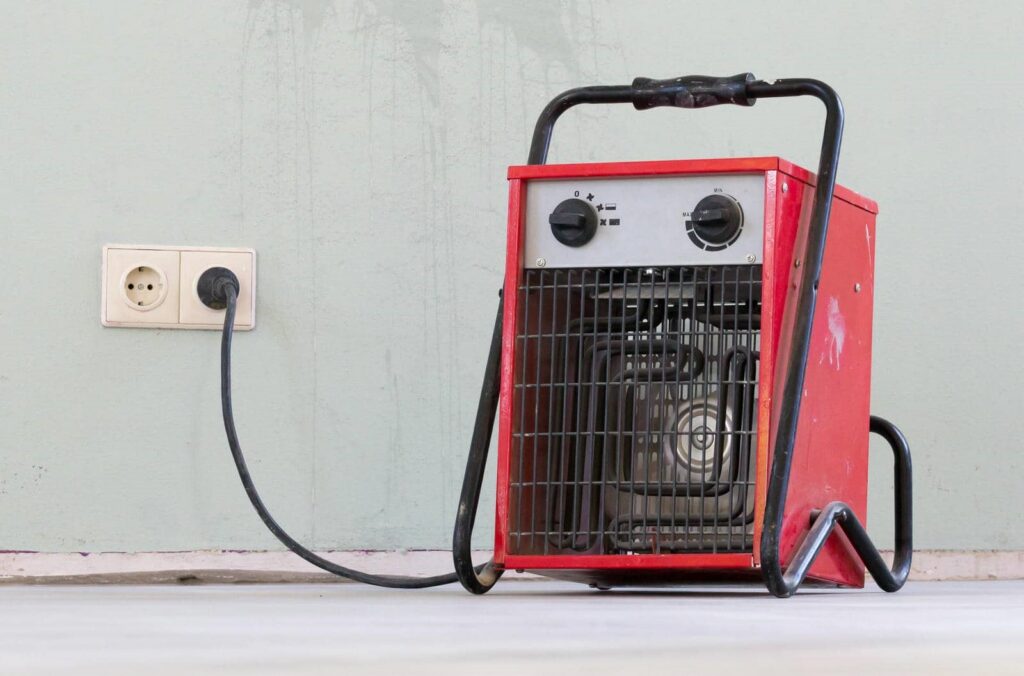
You’ll need to employ specialized drying equipment, such as dehumidifiers and air movers, to facilitate efficient moisture removal. These tools work together to lower humidity levels and promote evaporation, ensuring that all affected areas dry thoroughly.
Monitoring moisture levels during this process is important; it helps you determine when the environment is safe and dry. By prioritizing structural drying, you can minimize damage and enhance the long-term integrity of your property, providing peace of mind for you and your loved ones.
The Step-by-Step Process of Structural Drying
To effectively address flood damage, understanding the step-by-step process of structural drying is crucial. Here’s how you can proceed:
Moisture Assessment: Start by evaluating the extent of water damage. Use moisture meters to identify affected areas.
Water Removal: Extract standing water using pumps and wet vacuums to reduce humidity levels.
Set up Drying Equipment: Place dehumidifiers and air movers strategically in the affected areas to enhance airflow and expedite drying.
Monitoring: Regularly check moisture levels during the drying process to verify all areas reach appropriate dryness, adjusting equipment as necessary.
Following these steps helps eliminate moisture effectively, preventing further damage and ensuring a safe environment for you and your family.
Top 5 Mistakes in Flood Damage Cleanup
When tackling flood damage cleanup, you must avoid common pitfalls that can exacerbate the situation.
Ignoring professional help, delaying water removal, and skipping moisture testing are critical mistakes that can lead to further complications.
Addressing these issues promptly ensures a more efficient and effective recovery process.
Ignoring Professional Help
Many homeowners underestimate the complexities of flood damage cleanup, often neglecting the importance of professional assistance.
Ignoring expert help can lead to significant financial implications and health risks.
Here are four reasons to reconsider your approach:
Inadequate Drying: Professionals use advanced equipment to ensure thorough drying, reducing the risk of mold growth.
Structural Integrity: Experts assess damage to your home’s structure, preventing long-term issues.
Health Hazards: Improper cleanup can expose you to contaminants, posing serious health risks.
Insurance Complications: DIY methods might complicate insurance claims, resulting in unexpected costs.
Delaying Water Removal
Delaying water removal after a flood can greatly worsen the damage to your home and increase restoration costs.
When water sits, it seeps into walls, floors, and belongings, fostering mold growth and structural deterioration.
Prompt water removal is essential for effective flood recovery, as it minimizes long-term damage and prevents health hazards.
The longer you wait, the more extensive the damage becomes, leading to higher repair bills and potential loss of irreplaceable items.
Engaging professionals for immediate water removal ensures that your home is treated efficiently and thoroughly.
They use specialized equipment and techniques, making your flood recovery process smoother and more successful.
Don’t underestimate the importance of acting quickly; timely intervention is key to preserving your home.
Skipping Moisture Testing
Although it might seem tempting to jump straight into cleanup after a flood, skipping moisture testing is a significant mistake that can lead to substantial issues down the line.
Conducting a thorough moisture assessment with appropriate testing equipment is imperative to ensure all affected areas are properly addressed.
Here are four reasons why you shouldn’t skip this important step:
Hidden Moisture: Moisture can linger in walls and floors, causing structural damage.
Mold Growth: Neglecting moisture testing increases the risk of mold, which can lead to health issues.
Ineffective Drying: Without accurate assessments, your drying efforts may be insufficient.
Increased Costs: Ignoring moisture can lead to more extensive repairs and higher expenses later.
Don’t overlook moisture testing—it’s essential for successful flood damage cleanup.
Why Structural Drying Prevents Long-Term Damage
When water infiltrates a structure, it’s vital to initiate structural drying immediately to minimize the risk of long-term damage.
If you delay, moisture retention can lead to a host of long-term effects, such as mold growth, wood rot, and compromised structural integrity. These issues not only affect the safety of the building but can also lead to costly repairs down the line.
By addressing the water intrusion quickly and effectively, you prevent excess moisture from settling into walls, floors, and other materials. This proactive approach ensures a healthier living environment and protects your investment.
Benefits of Professional Structural Drying Services
When you choose professional structural drying services, you benefit from a faster drying process that minimizes water damage.
These experts employ advanced techniques that expedite drying and incorporate mold prevention strategies.
This proactive approach helps protect your property and ensures a healthier environment.
Faster Drying Process
Professional structural drying services offer a remarkably faster drying process, ensuring that water-damaged areas are restored promptly and effectively.
By employing quick drying methods and efficient techniques, these professionals minimize the impact of water damage on your property. Here’s how their services benefit you:
Advanced Equipment: They use high-powered fans and dehumidifiers that speed up moisture removal.
Expert Assessment: Professionals accurately identify affected areas, targeting their efforts for ideal results.
Thorough Drying: They ensure every nook and cranny is dried, preventing further damage.
Time Efficiency: Quick drying reduces the overall restoration time, allowing you to return to normalcy sooner.
Investing in professional structural drying means protecting your home and enhancing its longevity.
Mold Prevention Techniques
Although water damage can lead to severe mold growth if not addressed quickly, effective structural drying services greatly reduce this risk.
By utilizing advanced equipment, professionals ensure ideal moisture control, eliminating hidden water that encourages mold development. They assess affected areas meticulously, identifying moisture-prone spots that might otherwise go unnoticed.
With their expertise, you’ll benefit from a systematic drying process that includes air movers and dehumidifiers, promoting rapid evaporation and moisture removal.
This proactive approach safeguards your property and fosters a healthier environment for you and your loved ones.
When you choose professional structural drying, you’re investing in long-term mold prevention, ensuring peace of mind and belonging in your home.
How to Choose a Structural Drying Company
How can you ensure you’re selecting the right structural drying company for flood damage cleanup? Start by focusing on key factors that assure quality and reliability:
Credentials Verification: Check for proper licensing, certifications, and insurance to confirm the company’s expertise.
Experience and Reputation: Look for companies with a strong track record and positive customer reviews in similar situations.
Service Comparisons: Compare offerings from multiple providers, assuring they include advanced drying techniques and equipment.
Response Time: Choose a company that can respond promptly to minimize damage and start the drying process quickly.
FAQs About Structural Drying for Flood Damage?
What questions do you have about structural drying for flood damage?
One common misconception is that drying can happen naturally over time. In reality, structural drying techniques are vital to prevent mold growth and further damage.
You might wonder how long the process takes; it typically ranges from three to five days, depending on the extent of the damage.
Another frequently asked question is whether you can use household fans. While they can help, professional-grade equipment ensures more effective moisture removal.
If you’re concerned about costs, remember that timely structural drying can save you money in long-term repairs.
Understanding these aspects can help you make informed decisions and feel confident in your flood recovery efforts.
Frequently Asked Questions
How Long Does Structural Drying Typically Take After a Flood?
Structural drying after a flood typically takes 3 to 7 days, depending on the extent of water damage and drying conditions. A quicker drying timeline accelerates your flood recovery, helping you return to normal life sooner.
Is Structural Drying Effective for All Types of Water Damage?
Structural drying isn’t always effective for every type of water damage. Depending on the source, you might need specific drying techniques. It’s vital to assess the situation to ensure your home gets the right treatment.
Can I Perform Structural Drying Myself?
You can attempt DIY techniques for structural drying, but professional services often ensure thoroughness and efficiency. It’s essential to assess the damage level; sometimes, expert intervention is necessary to avoid further complications and secure safety.
What Equipment Is Commonly Used in Structural Drying?
In structural drying, you’ll commonly use dehumidifiers to reduce moisture levels and air movers to circulate air effectively. Together, they accelerate drying, preventing mold growth and structural damage in your space after water exposure.
How Do I Know if My Home Needs Structural Drying?
You’ll know your home needs structural drying if you notice water damage or persistent moisture. Conduct a moisture assessment to identify wet areas; if levels are high, it’s time to implement drying solutions for restoration.
Wrap-Up
In the aftermath of flood damage, think of structural drying as a lifeline, pulling moisture from your property like a sponge squeezed dry. By choosing professional services, you’re not just preventing mold and structural deterioration; you’re investing in a healthier, safer home. Remember, swift action is key—delaying can turn minor issues into major headaches. So, don’t let water linger; harness the power of structural drying to restore your space and protect your future.
Recent Posts
What to Know About Emergency Water Damage Restoration?
Emergency Water Damage requires immediate attention and a structured response to prevent further property damage.
Steps for Emergency Water Damage Restoration
When faced with emergency water damage, your first priority is to ensure safety. You need
3 Key Tips for Business Water Damage Recovery
Did you know that many small businesses never reopen after experiencing significant water damage? Understanding