
Contents
When you face property damage, steering through the claims process can be intimidating. Understanding how to effectively document the damage, interpret your insurance policy, and maintain organized communication with your insurer is essential. These steps increase your chances of a favorable outcome and help you avoid common pitfalls. As you consider these strategies, it’s important to recognize how each can greatly impact your claim’s success.
Key Takeaways
- Document all damage thoroughly with high-resolution photographs and detailed notes for accurate assessment and support of your claim.
- Familiarize yourself with your insurance policy, including coverage limits, exclusions, and deductible amounts, to avoid surprises during the claims process.
- Keep detailed records of all communications with your insurance company, including dates, names, and summaries of discussions for effective follow-ups.
- Enhance your claim with strong evidence, such as photographs, repair estimates, and witness statements to substantiate your case.
- Approach the claims process proactively and stay informed about your rights to effectively advocate for yourself during the process.
Document the Damage Thoroughly
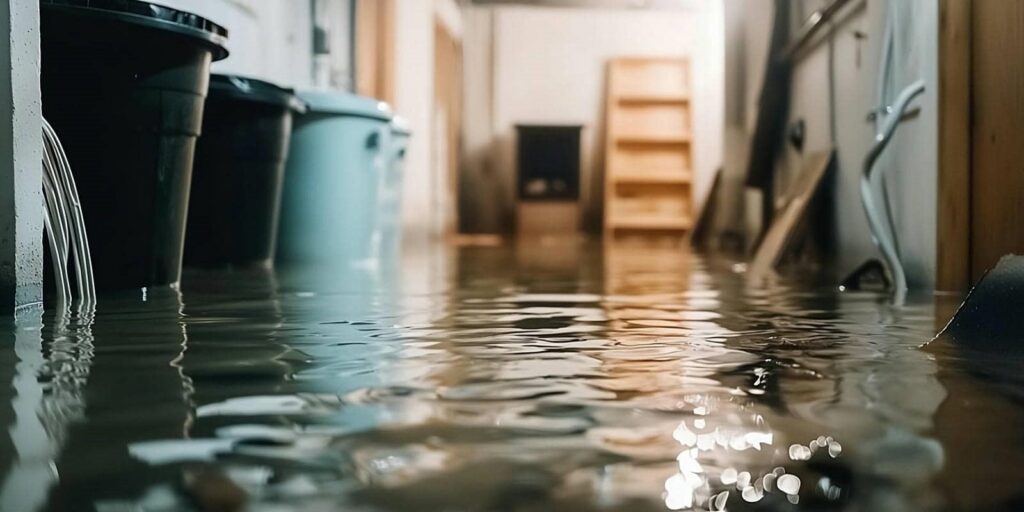
When you experience property damage, documenting it thoroughly is essential for a successful claim process. Start by conducting a thorough damage assessment, noting every affected area and item.
Take clear, high-resolution photographs of the damage from multiple angles; this photographic evidence serves as critical support for your claim. Include close-up shots that highlight the extent of the damage, and broader images that show the context.
As you document, keep detailed notes on the circumstances surrounding the damage—date, time, and any relevant events. This information strengthens your case and provides a narrative that insurers appreciate.
If repairs are necessary, gather estimates from professionals, as these can further substantiate your claim. By being meticulous in your documentation, you increase your chances of receiving the compensation you deserve, fostering a sense of security and belonging in your community.
Understand Your Insurance Policy
After documenting the damage thoroughly, the next step involves understanding your insurance policy. This knowledge is essential for maneuvering through the claims process effectively.
Familiarize yourself with the specifics of your policy coverage, as it dictates what damages are eligible for reimbursement.
Consider these key points:
Coverage Limits: Know the maximum amount your policy will pay for claims, which can greatly impact your recovery.
Claim Exclusions: Be aware of what’s not covered, as these exclusions can lead to unexpected surprises during the claim process.
Deductibles: Understand your deductible amount, as this is what you’ll pay out-of-pocket before your insurance kicks in.
Keep Detailed Records of All Communications
Keeping detailed records of all communications is essential throughout the property damage claims process, as it ensures you have a clear trail of interactions with your insurance company and any involved parties.
Maintaining accurate communication logs helps you track conversations, dates, and responses, which can be invaluable during claim follow-ups.
When you document each interaction, you create a reliable reference that can clarify misunderstandings and hold parties accountable. Include the names of the representatives you spoke with, their contact information, and summaries of discussions.
This level of detail not only supports your claim but also reinforces your position should disputes arise.
Regularly updating your records verifies you’re prepared for any questions from your insurance adjuster or other involved parties.
In a process often fraught with stress, having organized documentation fosters confidence and enhances your ability to advocate for yourself, cultivating a sense of belonging in the claims community.
Frequently Asked Questions
How Long Do I Have to File a Property Damage Claim?
You typically have one to three years to file a property damage claim, depending on state regulations. It’s essential to check your local laws, as time limits can vary considerably across different jurisdictions.
What Types of Damage Are Typically Covered by Insurance?
Insurance typically covers fire damage and water damage, including burst pipes or flooding. Understanding your policy’s specific terms is essential, as coverage can vary widely, ensuring you’re prepared for potential claims when disasters strike.
Can I Claim for Loss of Personal Belongings?
Yes, you can claim for loss of personal belongings under personal property coverage. Make sure you maintain thorough claim documentation, including receipts and photographs, to substantiate your loss and facilitate the claims process effectively.
Will My Insurance Premium Increase After Filing a Claim?
Filing a claim after a storm damages your roof can impact your premium. Insurance companies consider claim history and risk factors, potentially raising your rates. It’s essential to weigh the claim impact against long-term premium increases.
What if My Claim Is Denied by the Insurance Company?
If your claim is denied, you can initiate a claim appeal. Prepare your evidence thoroughly and engage in insurance negotiation to present your case effectively, aiming for a resolution that addresses your concerns and needs.
Wrap-Up
In the end, you might find that maneuvering the chaotic world of property damage claims is like trying to assemble furniture without instructions—frustrating yet oddly rewarding. By thoroughly documenting the damage, understanding your insurance policy, and keeping detailed records of communications, you’re not just wading through red tape; you’re fortifying your chances of success. It’s ironic how a little preparation can turn a potential disaster into a well-managed process, giving you the upper hand when it counts most.
Recent Posts
Top Commercial Water Remediation Solutions Explained
Just as a small leak can sink a great ship, water damage can threaten the
Steps to File Property Damage Insurance Claims
Filing a property damage insurance claim can feel like traversing a maze—complex and often frustrating.
Commercial Flood Water Extraction Methods Explained
When it comes to commercial flood water extraction, understanding the methods used is essential for