
Contents
It’s a common belief that commercial properties can bounce back from damage without professional help. However, the reality is often more complex, as improper commercial property restoration can lead to lingering issues and increased costs. Understanding the full scope of restoration solutions available is essential for effective recovery. What specific strategies can ensure your property recovers and becomes more resilient against future incidents?
Key Takeaways
- Conduct thorough risk assessments to identify vulnerabilities and prioritize prevention strategies for commercial properties.
- Implement specialized restoration processes tailored to water, fire, or mold damage for effective recovery.
- Utilize advanced equipment and expertise to ensure quick and efficient restoration timelines.
- Establish a comprehensive emergency response plan and train staff on reporting issues promptly.
- Choose a certified restoration company with positive reviews and a proven track record to ensure high-quality service.
Understanding the Impact of Water Damage on Commercial Properties
When water damage strikes your commercial property, it’s crucial to understand its far-reaching impacts. The immediate effects can disrupt your operations, leading to costly downtime and loss of revenue.
Structural integrity may also be compromised, exposing your property to further risks. Mold growth can develop within 24 to 48 hours, posing health hazards to employees and customers alike.
In addition to physical damage, the commercial impact extends to your reputation. Clients may question your ability to maintain a safe and welcoming environment.
Insurance claims can become complex, requiring meticulous documentation and swift response to mitigate losses.
To safeguard your investment and promote a swift recovery, it’s important to engage professionals who specialize in water damage restoration. Their expertise can help preserve your property’s value and restore normalcy, allowing you to focus on what truly matters—running your business and supporting your team.
Essential Steps for Fire and Smoke Damage Restoration
When dealing with fire and smoke damage, your first step is a thorough assessment and inspection of the affected areas.
This process helps identify the extent of the damage and informs the cleaning and restoration techniques you’ll need to employ.
Assessment and Inspection Process
The assessment and inspection process is a critical first step in fire and smoke damage restoration, ensuring that all affected areas are thoroughly evaluated.
You’ll want to utilize specific inspection criteria to identify damage extent, including structural integrity, air quality, and material degradation.
Employing advanced assessment tools, like thermal imaging cameras and moisture meters, allows you to pinpoint hidden issues that may not be visible to the naked eye.
This meticulous approach helps you form a thorough restoration plan tailored to your property’s unique needs.
Cleaning and Restoration Techniques
After completing the assessment and inspection process, it’s time to implement effective cleaning and restoration techniques to address fire and smoke damage.
Start by removing debris and soot with specialized equipment, ensuring you’re wearing protective gear.
Next, focus on mold remediation to prevent growth in damp areas, as moisture can worsen air quality.
Use air scrubbers to filter out contaminants and improve indoor air quality during the restoration.
Deep clean surfaces with industry-approved solutions, targeting smoke residues that cling to materials.
Don’t forget to address HVAC systems, as they can circulate smoke particles.
Finally, assess and restore affected materials, ensuring your space returns to a safe and welcoming environment for your tenants and clients.
Emergency Water Removal Techniques for Rapid Response
When facing water damage in your commercial property, immediate assessment procedures are essential to identify the extent of the issue.
You’ll need effective extraction methods to remove standing water quickly, followed by targeted drying and dehumidification strategies to prevent further damage.
Implementing these techniques promptly ensures the best outcome for your restoration efforts.
Immediate Assessment Procedures
Although water damage can escalate rapidly, knowing how to conduct immediate assessments and implement emergency water removal techniques can greatly mitigate the impact.
Start with a thorough risk assessment to identify affected areas and potential hazards. Assess the source of water intrusion and categorize the water type—clean, grey, or black—to determine the most appropriate emergency protocols. Document your findings meticulously, as this information is crucial for restoration efforts.
Engage your team, ensuring everyone understands their roles in the response. Utilize moisture meters and thermal imaging to detect hidden water pockets, which can prevent further damage.
Effective Extraction Methods
To effectively address water damage, employing the right extraction methods is crucial for rapid response and minimizing further destruction.
You’ll want to utilize proven extraction techniques that expedite water removal while protecting your property. Here are three effective methods:
Submersible Pumps: Ideal for large volumes of standing water, these pumps quickly remove excess water, minimizing saturation.
Truck-mounted Extractors: Perfect for commercial settings, they offer powerful suction to extract water from carpets and upholstery efficiently.
Portable Extractors: These versatile machines are ideal for tight spaces, enabling you to tackle localized flooding and ensure thorough water removal.
Drying and Dehumidification Strategies
After successfully extracting water, the next step is implementing effective drying and dehumidification strategies to prevent mold growth and further damage.
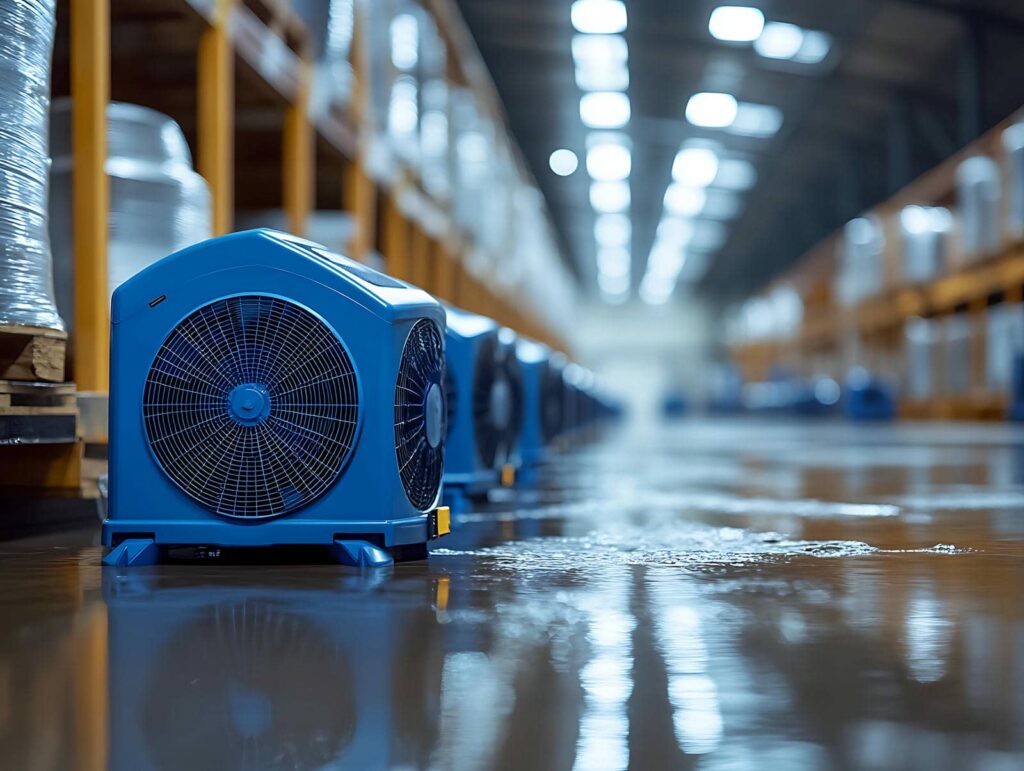
You’ll want to assess the affected areas carefully, ensuring that all moisture is addressed. Utilizing specialized dehumidification equipment is essential; it removes excess humidity and aids in moisture control, allowing surfaces to dry thoroughly.
Position dehumidifiers strategically to maximize airflow and efficiency. Additionally, consider using air movers to expedite the drying process, circulating air, and accelerating evaporation.
As you focus on these techniques, remember that swift action can greatly reduce long-term issues, safeguarding your property and fostering a sense of security for your team and clients.
Your proactive approach makes all the difference in effective restoration.
Comprehensive Flooded Building Restoration Process
When a flood damages a commercial property, swift and systematic restoration is essential to minimize further loss and ensure safety.
You’ll want to take the following steps for an effective restoration process:
Assessment and Documentation: Immediately evaluate the damage and document it for flood insurance claims and property valuation.
Water Extraction: Use professional equipment to remove standing water, preventing mold growth and structural damage.
Drying and Sanitization: Implement thorough drying techniques and disinfect affected areas to safeguard against bacteria and long-term issues.
Long-term Solutions for Preventing Future Damage
While immediate restoration is vital after a flood, implementing long-term solutions can greatly reduce the risk of future damage to your commercial property.
Start with a thorough risk assessment to identify vulnerable areas and tailor preventive maintenance strategies accordingly. Regular inspections of your roofing, drainage systems, and foundation can help detect early signs of wear or potential water ingress.
Investing in high-quality waterproofing and drainage solutions is essential; these measures can notably mitigate flood risks.
Additionally, establish a robust emergency response plan that includes regular training for your staff. Educate them on the importance of reporting any abnormalities or leaks immediately.
Choosing the Right Restoration Professionals for Your Property
How do you ensure that your commercial property receives the best restoration services? Choosing the right professionals is vital. Start by verifying their restoration certifications, as these demonstrate their commitment to industry standards and best practices.
Next, assess contractor qualifications to make certain they’ve the necessary experience and expertise in handling your specific restoration needs.
Consider these key factors:
Reputation: Look for reviews and testimonials from previous clients to gauge satisfaction.
Insurance and Licensing: Confirm they’ve proper insurance and licenses to protect you from liabilities.
Specialization: Make certain they specialize in the type of restoration your property requires, whether it’s water, fire, or mold damage.
Summary
In the world of commercial property restoration, taking swift, informed action can be the difference between a minor setback and a major disaster. By employing complete solutions tailored to your specific needs, you’re not just patching up problems; you’re fortifying your property against future storms. Choosing the right professionals is like selecting the right tools for a craftsman—essential for achieving a resilient, restored environment that stands strong against whatever challenges lie ahead.
Recent Posts
Steps to File Property Damage Insurance Claims
Filing a property damage insurance claim can feel like traversing a maze—complex and often frustrating.
3 Essential Tips for Filing Property Damage Claims
When you face property damage, steering through the claims process can be intimidating. Understanding how
Commercial Flood Water Extraction Methods Explained
When it comes to commercial flood water extraction, understanding the methods used is essential for