
Contents
When fire strikes your commercial property, it’s not just the physical damage you need to address. The emotional and financial toll can be overwhelming. You’ll need to act quickly, ensuring everyone’s safety and documenting the damage for insurance claims. Understanding the steps to fire damage recovery is vital, as is knowing what to look for during the assessment process. Let’s explore how you can navigate this challenging situation effectively and minimize your losses.
Key Takeaways
- Ensure the safety of personnel and assess damage immediately after a fire incident to initiate recovery effectively.
- Document all damage meticulously, including photos and inventory, to support insurance claims and facilitate recovery.
- Communicate consistently with insurers, maintaining detailed records of interactions to ensure a smooth claims process.
- Engage professional services, if necessary, for navigating complex claims and recovery challenges to expedite the process.
- Implement a comprehensive fire safety plan and conduct regular drills to prevent future incidents and enhance preparedness.
Understanding the Impact of Fire Damage on Commercial Properties
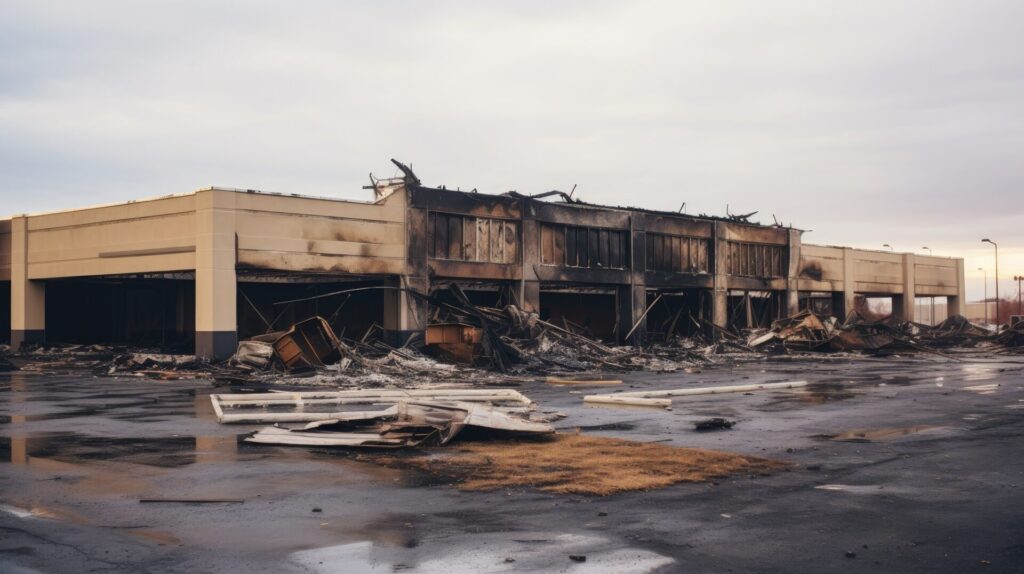
When a fire strikes your commercial property, the aftermath can be devastating, affecting not just the structure but also the livelihood of your business.
Fire damage can lead to significant commercial losses, disrupting operations and impacting your employees and customers. The physical destruction often extends beyond what’s visible; smoke and soot can infiltrate walls, machinery, and inventory, posing long-term challenges.
You might find that essential documents are lost or that vital equipment is rendered unusable, which complicates your recovery efforts.
Additionally, the emotional toll on you and your team can’t be overlooked, as the sense of community and shared purpose may feel shaken.
Understanding the full impact of fire damage is important; it allows you to approach recovery with a strategy that not only addresses structural repairs but also supports your workforce and restores the trust of your loyal customers.
Initial Steps to Take After a Fire Incident
After a fire incident, your first priority is ensuring everyone’s safety; check that all personnel are accounted for and evacuate if necessary.
Next, contact emergency services to manage the situation and prevent further damage.
Once it’s safe, document the damage thoroughly to assist with insurance claims and recovery efforts.
Ensure Safety First
Once the flames are extinguished and the immediate danger has passed, your first priority is guaranteeing everyone’s safety. Gather your team and assess the situation, making sure everyone is accounted for. Employ fire safety protocols and keep a first aid kit accessible for any injuries that may arise.
| Action | Importance |
|---|---|
| Evacuate the premises | Prevent further harm |
| Check for injuries | Provide immediate assistance |
| Secure the area | Make certain no one re-enters |
Contact Emergency Services
Immediately contact emergency services to report the fire and any ongoing hazards. This is essential for your safety and the well-being of others.
Have your emergency contacts ready, including fire department numbers and any local resources that can assist.
Follow established fire protocols; they’re designed to protect lives and mitigate damage.
When speaking to emergency responders, provide clear details about the fire’s location, size, and any potential hazards like chemicals or flammable materials.
Stay calm and cooperative; your composure can aid first responders in their efforts.
Remember, you’re not alone in this reaching out for help is the first step toward recovery.
Prioritize communication to guarantee everyone’s safety and start the journey toward restoring your business.
Document Damage Thoroughly
Documenting damage thoroughly is essential for a successful recovery following a fire incident. Start by taking clear photographs of all affected areas and items, ensuring you capture different angles and details. These document types serve as significant evidence for your insurance claim.
Make a detailed inventory of damaged possessions, noting their condition and estimated values. Utilize recovery techniques like keeping receipts from any emergency repairs or temporary accommodations, as these can bolster your claim.
It’s important to stay organized and maintain a timeline of events, as this will help you navigate the recovery process more smoothly.
Assessing the Damage: What to Look For
When evaluating fire damage, start by assessing the structural integrity of your building to guarantee it’s safe for occupancy.
Next, conduct a thorough smoke and soot analysis, as these residues can cause ongoing issues if left untreated.
Don’t forget to inspect for water damage, which often accompanies fire suppression efforts and can lead to further complications if not addressed promptly.
Structural Integrity Evaluation
As you assess the structural integrity of a commercial property affected by fire damage, it’s essential to look for key indicators that may reveal hidden hazards.
Start with a thorough structural assessment, examining beams, columns, and load-bearing walls for signs of warping or weakening. Check for cracks in the foundation or joints, which could indicate compromised stability.
Integrity testing can involve non-destructive methods like ultrasonic or radiographic evaluations, helping you identify unseen damage.
Don’t overlook the roof; heat can cause materials to sag or collapse.
Smoke and Soot Analysis
After ensuring the structural integrity of the property, the next step involves a careful examination of smoke and soot damage.
You’ll want to conduct a smoke composition analysis to identify the types of materials that burned, as this greatly influences the cleaning process. Different materials produce varied soot characteristics, and understanding this helps in selecting effective soot removal techniques.
Inspect surfaces, fabrics, and air quality, as soot can infiltrate various areas, leaving behind harmful residues.
Remember, addressing these issues promptly not only protects your property but also promotes a sense of safety and well-being for everyone involved.
Water Damage Inspection
Although water damage can often be hidden from plain sight, a thorough inspection is essential to uncovering the extent of the problem.
Start by identifying potential water damage sources, such as leaky roofs, burst pipes, or flooding. Use inspection techniques like moisture meters and thermal imaging to detect hidden moisture within walls and ceilings.
Pay attention to discoloration, warping, and musty odors, as these often indicate areas of concern. Don’t forget to check HVAC systems and insulation, as they can harbor unseen issues.
Fire Damage Cleanup and Restoration Process
When fire strikes your commercial property, the aftermath can feel overwhelming, but understanding the cleanup and restoration process can help ease your concerns.
The first step in fire damage restoration is evaluating the extent of the damage. Professionals will assess structural integrity and identify hazardous materials. Once this is complete, they’ll begin the cleanup process, which includes removing debris, soot, and smoke odors.
Next, specialized equipment and techniques are employed to restore affected areas. This may involve cleaning surfaces, repairing structures, and replacing damaged materials.
Throughout the process, you’ll be kept informed, ensuring you feel involved and supported.
Finally, a thorough inspection confirms that your property is safe and ready for use again. By following a detailed fire damage restoration plan, you’re not just restoring your commercial property; you’re also reclaiming a space where your business can thrive once more.
Preventative Measures to Avoid Future Fire Damage
To prevent future fire damage, it’s crucial to implement a detailed fire safety plan tailored to your commercial property.
This proactive approach not only safeguards your assets but also fosters a culture of safety among your staff. Regular fire prevention measures and safety training can considerably reduce risks.
Consider these key actions:
- Conduct regular fire drills: Confirm your team knows evacuation routes and procedures, reinforcing their confidence in emergency situations.
- Install and maintain fire detection systems: Regularly check smoke alarms and sprinkler systems to verify they’re fully operational and compliant with safety standards.
- Educate employees on fire hazards: Provide extensive training on recognizing potential fire risks and proper response techniques.
Working With Insurance Providers for Fire Damage Claims
After implementing effective fire prevention measures, the next step is maneuvering the complex process of filing fire damage claims with your insurance provider.
Start by reviewing your insurance policies to understand your coverage thoroughly. Gather all relevant documentation, including photographs of the damage, repair estimates, and any business interruption losses. This information will support your claim negotiation.
When you contact your insurer, maintain open communication. Don’t hesitate to ask questions; your understanding is essential. Keep records of all interactions, including dates, names, and notes.
If you encounter resistance or delays, remember that it’s your right to advocate for a fair settlement. Working collaboratively with your insurance provider can lead to a smoother recovery process.
With patience and persistence, you’ll navigate this challenging time and guarantee that your business can rise from the ashes. You’re not alone support is available to help you through this journey.
Frequently Asked Questions
How Long Does the Fire Damage Recovery Process Typically Take?
The fire damage recovery process typically takes several weeks to months. Timeline estimates vary, depending on recovery phases like assessment, cleanup, and restoration. Each phase’s complexity can greatly influence the overall duration, so patience is essential.
Can I Stay in My Property During the Restoration Process?
You shouldn’t stay in your property during restoration, as it’s crucial for your safety. Consider temporary housing to guarantee you’re comfortable while professionals work, allowing you to return to a secure and welcoming environment afterward.
Will My Business Operations Be Affected During Recovery?
Yes, your business operations will likely be affected during recovery. You’ll need to make operational adjustments to guarantee business continuity, addressing both immediate needs and long-term strategies to support your team and customers through this change.
What Types of Professionals Should I Hire for Fire Damage Restoration?
You should hire fire restoration specialists for cleanup and repairs, and insurance adjusters to navigate claims. Their expertise guarantees your business recovers efficiently, allowing you to focus on rebuilding and supporting your team during this challenging time.
Are There Any Government Grants Available for Fire Recovery Efforts?
Yes, you can find fire recovery funding through disaster relief programs. These grants often help businesses rebuild and recover, offering essential support during tough times. Don’t hesitate to explore these resources for assistance.
Summary
In the aftermath of a fire, remember that most businesses never reopen due to the extensive damage and financial strain. Prioritizing safety, documenting losses, and engaging with professionals can greatly ease your recovery journey. By understanding the impact of fire damage and following the steps outlined in this guide, you can not only restore your property but also fortify it against future incidents. Your resilience and proactive measures can make all the difference in ensuring your business’s survival.
Recent Posts
Top Techniques for Commercial Flood Water Removal
When dealing with commercial flood water removal, effectiveness hinges on the right techniques and equipment.
Mastering Commercial Flood Water Extraction Methods
In the world of disaster recovery, mastering flood water extraction is akin to maneuvering a
10 Tips for Water Damage Restoration Process
Imagine a small leak in your roof that, if left unchecked, turns into a waterfall