
Contents
Filing a property damage insurance claim can feel like traversing a maze—complex and often frustrating. To ensure you don’t get lost, it’s essential to follow a systematic approach. Start by evaluating the damage and documenting everything accurately. This foundation will support your claim as you move through the process. What comes next could determine the speed and success of your settlement.
Key Takeaways
- Conduct a thorough assessment of the property damage and document specifics with photographs and witness statements.
- Notify your insurance provider promptly and provide all necessary documentation to support your claim.
- Gather estimates for repairs and organize all evidence to streamline the claims process.
- Communicate clearly with the claims adjuster, providing documentation and asking questions to understand the process.
- Follow up regularly on your claim status and maintain a record of all communications and interactions.
Assessing the Property Damage
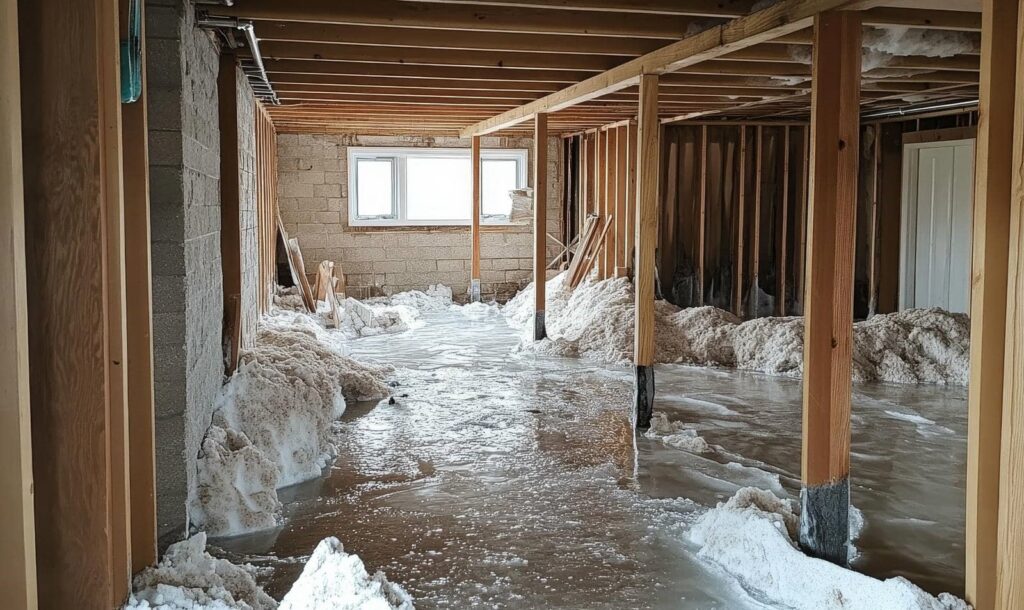
Evaluating the property damage is an essential first step in filing an insurance claim. You’ll want to conduct a thorough property assessment to identify all affected areas.
Begin by documenting visible damage, noting specifics like size, type, and location. This damage evaluation helps establish the extent of your loss, which is critical for your claim.
Take photographs from multiple angles to support your findings, as visual evidence strengthens your case. Don’t forget to include any damage to personal belongings, as this can impact your overall claim value.
If there are underlying issues you can’t see, consider hiring a professional to assist with the assessment. Their expertise can uncover hidden damages that might affect your claim.
Documenting the Incident
When documenting the incident, gather evidence immediately to strengthen your claim.
Take detailed photographs that capture the extent of the damage, and make sure to record witness statements for additional support.
This thorough documentation will be essential when you file your property damage insurance claim.
Gather Evidence Immediately
As soon as an incident occurs, gathering evidence is essential for a successful property damage insurance claim. You’ll want to focus on immediate reporting and thorough evidence collection. This will help you present a strong case to your insurer.
| Evidence Type | Importance |
|---|---|
| Witness Statements | Validate your account |
| Photos/Diagrams | Visual proof of damage |
| Incident Reports | Official documentation |
Take Detailed Photographs
Taking detailed photographs is essential for effectively documenting the incident. Use photographic techniques, such as capturing multiple angles and close-ups, to ensure you cover all aspects of the damage. This not only highlights the extent of the loss but also provides context for your claim.
When you organize your images, label them with dates and descriptions to make it easy for your insurance adjuster to understand the situation. Consistency in image organization helps create a clear narrative of what occurred, supporting your case.
Don’t forget to photograph any relevant surroundings that might impact your claim. These images play a critical role in the claims process, helping you present a well-documented case that reflects the true nature of the damage.
Record Witness Statements
Witness statements can provide essential insights into the incident, adding depth to your property damage claim. To ensure their effectiveness, focus on witness reliability and statement accuracy.
Here are some tips for recording statements:
Gather contact information: Make certain to collect names, phone numbers, and addresses of witnesses to follow up if needed.
Ask open-ended questions: Encourage witnesses to share their accounts in detail, capturing all relevant aspects of the incident.
Take notes promptly: Write down the statements as soon as possible while the event is fresh in their minds.
These steps will strengthen your claim and create a more thorough picture of what transpired, fostering a sense of community and shared understanding among those involved.
Notifying Your Insurance Provider
Once you’ve documented the incident, it’s essential to notify your insurance provider promptly.
Gather all necessary documentation to support your claim, and reach out to your agent as soon as possible.
Timely communication can greatly impact the outcome of your claim.
Gather Necessary Documentation
While you may feel overwhelmed after experiencing property damage, gathering necessary documentation is essential for notifying your insurance provider effectively.
Start by creating a documentation checklist that meets your claim requirements. This will streamline the process and ensure you have everything you need.
Focus on collecting the following items:
- Photos: Take clear images of the damage from multiple angles.
- Receipts: Gather any receipts for repairs or replacements that you’ll need to claim.
- Statements: Document any conversations with witnesses or professionals related to the incident.
Having these documents ready will strengthen your claim and help you navigate the insurance process more smoothly.
Contact Your Agent
After gathering your documentation, the next essential step is to contact your insurance agent to notify them of the property damage.
Your agent’s responsibilities include guiding you through the claim process and ensuring you understand your policy coverage. When you reach out, provide them with all relevant details, including the nature of the damage and any supporting documents.
This information helps your agent advocate on your behalf and streamline the claims process. Be prepared to answer questions and follow any instructions they give you.
Effective communication with your agent fosters a collaborative approach, ensuring you’re not traversing this challenging situation alone. Remember, your agent is there to support you every step of the way.
Report Damage Promptly
Following your conversation with your agent, it’s time to report the damage to your insurance provider promptly.
Timely notifications can greatly influence your claim process and ensure you receive the support you need.
Here are a few key steps to follow:
Document the Damage: Take clear photos and notes detailing the extent of the damage.
Notify Your Provider: Contact your insurance provider as soon as possible to initiate prompt reporting.
Keep Records: Maintain copies of all communications and documentation related to your claim.
Understanding Your Policy Coverage
Understanding your property damage insurance policy is essential for effective claims processing. Familiarize yourself with your coverage limits to know the maximum amount your insurer will pay for damages. This knowledge empowers you to assess whether your damages fall within the covered amounts.
Additionally, pay careful attention to policy exclusions. These are specific circumstances or types of damage your policy won’t cover, which can greatly impact your claim’s success. For example, certain natural disasters or neglect may be excluded. By grasping these nuances, you can avoid surprises when filing a claim.
Moreover, understanding your policy fosters a sense of security, as you’ll be prepared for potential issues. Having this knowledge helps you navigate the claims process more effectively and builds confidence in your ability to manage your property risks.
Familiarize yourself with your policy to ensure you’re making informed decisions when it counts.
Gathering Necessary Information
With a solid grasp of your policy coverage, the next step involves gathering the necessary information to support your property damage claim.
Meeting the claim requirements is essential, and being organized will help streamline the process.
Start by collecting relevant documentation and evidence.
Consider these key information sources:
Photos or Videos: Capture damage to your property, showing the extent and specifics.
Repair Estimates: Obtain quotes from contractors or professionals to demonstrate potential costs.
Witness Statements: If applicable, gather contact information and statements from anyone who witnessed the incident.
Submitting Your Claim
Once you’ve gathered all necessary documentation, you can begin submitting your claim to your insurance company.
The claim submission process typically starts by filling out a claim form, which you can often find on your insurer’s website. Attach all relevant documents, including photos, receipts, and any police reports if applicable. Make sure everything is clear and organized to facilitate review.
Be mindful of common claim denial reasons, such as insufficient evidence or missing deadlines. Double-check your submission for completeness to minimize the risk of denial.
After submitting, keep a record of your claim number and any correspondence with your insurer. This will help you track progress and follow up if needed.
Working With Adjusters
When dealing with property damage claims, understanding the adjuster’s role is essential for a smooth process.
Effective communication can greatly impact the outcome of your claim, so it’s important to be clear and concise.
Understanding Adjuster Roles
Understanding the role of an insurance adjuster is vital for effectively traversing the claims process. An adjuster’s responsibilities include evaluating damages, determining the claim’s validity, and negotiating settlements. Familiarizing yourself with these aspects can greatly enhance your experience.
Assessing Property Damage: Adjusters inspect your property to quantify the extent and cost of damage.
Gathering Information: They collect statements, photos, and repair estimates to build a case.
Communicating with You: Clear adjuster communication ensures you understand the process and what to expect.
Effective Communication Strategies
Effective communication with your insurance adjuster can greatly influence the outcome of your claim. Start by practicing effective listening; this allows you to understand their perspective and concerns.
When discussing your situation, use clear messaging to convey your needs and expectations. Be concise but thorough, providing any necessary documentation promptly. Avoid jargon that might confuse the conversation, and instead, focus on straightforward language that fosters a collaborative atmosphere.
Additionally, don’t hesitate to ask questions if something isn’t clear. This illustrates your engagement and commitment to resolving the matter. Building a rapport with your adjuster can facilitate smoother interactions, ensuring both parties work toward a fair resolution.
Following Up on Your Claim
Following up on your property damage insurance claim is essential to ensure it’s processed efficiently.
By staying proactive, you can receive timely updates on your claim status and make certain your needs are met.
Here are some effective follow-up strategies:
Schedule regular check-ins: Set a reminder to contact your claims adjuster every few days or weeks.
Document every interaction: Keep a record of dates, times, and details of your conversations for reference.
Be persistent yet polite: While it’s important to follow up, approach each interaction with courtesy to foster a cooperative relationship.
Receiving Your Settlement
Receiving your settlement is an essential step in the property damage insurance claim process. Once your claim is approved, you’ll want to understand the settlement timeline expectations. Typically, settlements can take days to weeks, depending on the complexity of your case and the effectiveness of your claim negotiation strategies.
Here’s a quick overview of what to expect:
| Stage | Timeframe | Action Required |
|---|---|---|
| Claim Approval | 1-2 weeks | Review the settlement offer |
| Payment Processing | 1-3 weeks | Confirm payment method |
| Final Documentation | 1 week | Sign and return forms |
Tips for Future Prevention
While you can’t predict every incident that may lead to property damage, implementing proactive measures can considerably reduce your risk.
By focusing on preventive maintenance and effective risk management, you can protect your property and foster a sense of safety in your community.
Here are some practical tips to keep in mind:
Regular Inspections: Schedule routine checks of your property, including roofs, plumbing, and electrical systems, to catch potential issues early.
Emergency Preparedness: Create and practice an emergency plan with your family or housemates. Make sure everyone knows what to do in case of a disaster.
Install Safety Features: Invest in smoke detectors, security systems, and flood barriers to mitigate potential damage.
Frequently Asked Questions
How Long Does the Claims Process Typically Take?
The claims duration typically ranges from a few days to several weeks, depending on the complexity of your case. Understanding the processing timeline can help you manage expectations and stay informed throughout the process.
Can I Hire My Own Adjuster for the Claim?
Yes, you can hire your own adjuster for the claim. Picture a skilled navigator guiding you through the storm of paperwork. Just make certain your adjuster has the right qualifications to effectively advocate for your interests.
What if My Claim Is Denied?
If your claim’s denied, review the denial reasons carefully. You can file a claim appeal, addressing each issue raised. Gathering additional evidence or documentation may strengthen your case and improve your chances of approval.
Are There Any Deadlines for Filing a Claim?
Every moment counts in the race against time. You’ve got specific claim submission timelines dictated by state regulations. Missing them can derail your efforts, so stay informed and act swiftly to protect your interests.
Will My Premium Increase After Filing a Claim?
Yes, your premium might increase after filing a claim. Insurers often assess premium impact based on claim frequency. If you file multiple claims, you’re likely to see a more significant rise in your premium.
Final Thoughts
Filing a property damage insurance claim can feel like steering through a stormy sea. By carefully evaluating and documenting the damage, you create a sturdy vessel to weather the process. Keeping organized and communicating effectively with your insurance provider will help you steer clear of delays. As you follow up on your claim and receive your settlement, you’re restoring your property and reinforcing your resilience. With these steps, you’ll be better prepared for any future tempests.
Recent Posts
3 Essential Tips for Filing Property Damage Claims
When you face property damage, steering through the claims process can be intimidating. Understanding how
Commercial Flood Water Extraction Methods Explained
When it comes to commercial flood water extraction, understanding the methods used is essential for
Top Techniques for Commercial Flood Water Removal
When dealing with commercial flood water removal, effectiveness hinges on the right techniques and equipment.