
Contents
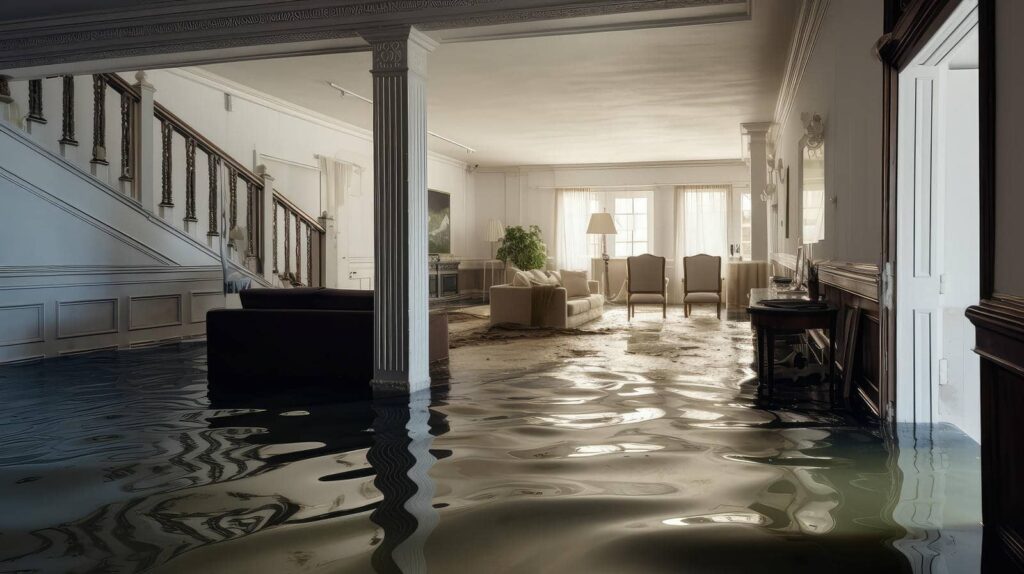
A flooded building is like a shipwrecked vessel, and just as a captain must navigate the wreckage, you need to manage the aftermath of flood damage with precision. Immediate action is vital to minimize losses and restore functionality. From water extraction to structural repairs, each step plays an important role in recovery. Understanding these techniques can greatly impact your property’s future resilience against water damage. What comes next is essential for effective restoration and long-term protection.
Key Takeaways
- Activate emergency response protocols immediately to ensure safety and assess flood impact on the property.
- Utilize submersible pumps and wet vacuums for effective water extraction from affected areas.
- Employ heavy-duty dehumidifiers and fans to accelerate drying and moisture control.
- Conduct thorough cleaning and sanitizing of surfaces, prioritizing structural integrity restoration.
- Develop a comprehensive flood preparedness plan and engage with professional restoration services for recovery.
Assessing the Extent of Flood Damage
When you experience a flood, gauging the extent of the damage is essential for effective recovery. Start by documenting the flood impact on your property, noting areas affected by water intrusion. Use a moisture meter to evaluate the saturation levels in walls, flooring, and structural elements.
This precise damage evaluation allows you to identify not just visible damage, but also hidden issues that could arise later, such as mold growth or structural compromise.
Next, categorize the damage based on severity—minor, moderate, or severe. This classification aids in prioritizing recovery efforts. Take photographs for insurance claims and keep a detailed record of all findings.
Engaging a professional evaluator can also enhance your evaluation process, as they can provide expertise and ensure no detail is overlooked. By thoroughly evaluating the damage, you establish a robust foundation for your recovery strategy, fostering a sense of security and belonging in your community.
Immediate Water Extraction Techniques
After evaluating the extent of flood damage, the next step is immediate water extraction to minimize further harm to your property.
Employing effective water removal strategies is vital in this phase. Start by activating your emergency response protocols, ensuring that safety measures are in place. Use submersible pumps for large volumes of standing water, as they can quickly evacuate water from affected areas. For smaller pools, wet vacuums can efficiently remove water from carpets and floors.
Additionally, heavy-duty dehumidifiers will aid in reducing moisture levels, preventing mold growth.
It’s important to prioritize the removal of water from structural elements and furnishings to mitigate long-term damage. Collaborating with professional restoration services can optimize the extraction process, ensuring adherence to industry standards.
Drying and Dehumidification Methods
To effectively mitigate flood damage, you must implement advanced drying and dehumidification methods.
Utilizing effective air movement techniques alongside specialized dehumidification equipment can greatly accelerate the drying process and reduce moisture levels.
Effective Air Movement Techniques
Effective air movement techniques are essential for optimizing drying and dehumidification processes in commercial flood damage recovery. You should focus on precise airflow management to enhance evaporation rates and reduce moisture levels efficiently.
Implementing effective ventilation strategies, such as positioning fans strategically to direct airflow towards damp areas, can greatly expedite the drying process. Adjusting fan speed and angle helps create a balanced airflow, preventing stagnant air pockets.
Utilize dehumidifiers in conjunction with fans to maintain low humidity levels, further promoting effective drying. Regularly assess the environment and adjust your techniques accordingly to ensure maximum efficiency.
Advanced Dehumidification Equipment
Advanced dehumidification equipment plays an essential role in restoring commercial properties affected by flooding. Utilizing advanced technology, these devices efficiently remove excess moisture from the air and materials, preventing further damage and mold growth.
You’ll find that high-capacity dehumidifiers with integrated sensors optimize moisture control, automatically adjusting to humidity levels in real-time. This ensures your space dries quickly and thoroughly, minimizing downtime and restoring normal operations.
Portable units can target specific areas, while larger systems are suited for expansive spaces. When combined with effective air movement techniques, advanced dehumidification equipment enhances drying efficiency.
Trusting professionals equipped with this technology can greatly improve recovery outcomes, ensuring your property returns to its pre-flood condition swiftly and safely.
Cleaning and Sanitizing Affected Areas
Cleaning and sanitizing affected areas after a flood is crucial to prevent further damage and health risks. You need to employ effective cleaning techniques and high-quality sanitizing products to ensure a safe environment for everyone involved. Start by removing any standing water and debris, then use appropriate cleaning solutions on surfaces.
| Affected Item | Recommended Action |
|---|---|
| Carpets | Remove, clean, and replace |
| Wooden Furniture | Clean with specialized products |
| Walls and Ceilings | Scrub with disinfectants |
Restoration of Structural Integrity
Restoring structural integrity after a flood is vital to secure the safety and longevity of a commercial property. Begin with a thorough structural assessment to identify any damage to load-bearing elements, walls, and foundations. This evaluation helps you understand the extent of the repairs needed.
Once you’ve pinpointed the issues, prioritize integrity restoration by addressing compromised materials—like wood, concrete, and steel—immediately.
Utilize advanced repair techniques, such as underpinning for foundations and bracing for walls, to ensure stability. It’s imperative to engage with professional contractors experienced in flood recovery, as their expertise can streamline the restoration process.
Additionally, implement moisture control measures to prevent future damage. By focusing on structural integrity, you safeguard your property and reassure stakeholders that you’re committed to creating a safe environment for business operations.
Prioritizing these steps fosters trust and confidence among your team and clients.
Addressing Mold and Mildew Growth
Since mold and mildew can proliferate rapidly in damp environments, addressing these issues promptly is crucial to maintaining a safe and healthy commercial space.
Begin by conducting a thorough inspection to identify affected areas. Use dehumidifiers and fans to reduce moisture levels, as this is essential for mold prevention. If you find visible mold, employ appropriate mildew treatment methods, such as specialized cleaning solutions and protective gear. Confirm that all surfaces are scrubbed and dried completely to prevent recurrence.
In addition, consider implementing proactive measures like regular inspections and moisture control strategies to minimize future risks.
Proper ventilation is imperative; install exhaust fans in high-humidity areas, and verify that drainage systems are functioning correctly.
By tackling mold and mildew growth effectively, you protect your property and foster a healthier environment for your employees and clients.
Prioritize these steps to safeguard your commercial space today.
Documenting Damage for Insurance Claims
After addressing mold and mildew growth, the next step is documenting the damage for insurance claims.
Accurate claim documentation is essential for a successful recovery process, as it establishes the extent of the damage and supports your case with the insurer.
Here’s how you can effectively conduct a damage assessment:
Take detailed photographs: Capture images of all affected areas and items, ensuring to include close-ups of specific damage.
Create a written inventory: List damaged items, their original value, and estimated replacement costs.
Record dates and times: Note when the flooding occurred and when you began the recovery process.
Gather supporting documents: Collect any relevant receipts, warranties, or prior reports that can substantiate your claims.
Implementing Preventive Measures for Future Flooding
To effectively reduce the risk of future flooding, you need to conduct a thorough flood risk assessment for your commercial property.
Identifying vulnerable areas will help you implement effective drainage solutions that can mitigate water accumulation during heavy rains.
Flood Risk Assessment
Identifying potential flood risks is essential for any commercial property owner looking to safeguard their investment and ensure operational continuity.
By conducting a thorough flood risk assessment, you can implement effective risk mitigation strategies. Start by utilizing floodplain mapping, which helps visualize areas prone to flooding.
Focus on these key steps:
- Evaluate historical flood data for your location.
- Identify nearby water bodies and their potential impact.
- Assess infrastructure vulnerabilities, including drainage systems.
- Engage with local authorities for updated floodplain regulations.
Effective Drainage Solutions
Once you’ve assessed flood risks for your commercial property, implementing effective drainage solutions becomes crucial in preventing future flooding.
Start by investing in high-quality drainage systems that efficiently channel water away from your building. Consider installing perforated pipes and catch basins to manage excess rainwater effectively.
Pair these systems with strategically placed water barriers to redirect potential floodwaters away from vulnerable areas. Regular maintenance checks will ensure these systems function at their best.
Additionally, creating a slight slope in landscaping can facilitate better water flow away from the foundation.
Frequently Asked Questions
How Long Does the Flood Recovery Process Typically Take?
The flood recovery timeline typically ranges from weeks to months. Factors affecting recovery include the extent of damage, type of materials involved, and your response efficiency. Prioritizing quick action can considerably shorten the timeline.
What Are the Costs Associated With Commercial Flood Recovery?
The costs associated with commercial flood recovery can vary widely. You’ll need to evaluate insurance coverage, damage assessment, and potential restoration expenses. Planning ahead ensures you’re prepared for both immediate and long-term financial impacts.
Can I Stay in My Building During the Recovery Process?
You shouldn’t stay in your building during recovery due to safety considerations. Instead, seek temporary accommodations. It’s essential to ensure a safe environment while professionals assess and repair flood damage, prioritizing your well-being above all.
What Items Should I Prioritize for Recovery?
You should prioritize essential equipment like generators, pumps, and dehumidifiers first, then focus on priority items such as documents, electronics, and inventory. Safeguarding these will help restore operations and maintain your business’s resilience.
How Can I Find a Reliable Restoration Service?
To find a reliable restoration service, research companies with quality assurance certifications, read reviews, and ask for recommendations. Verify their experience and ensure they provide detailed estimates and clear communication throughout the recovery process.
Wrap-Up
Your swift actions can transform a soggy nightmare into a manageable recovery. By employing immediate water extraction, drying, and sanitization, you restore not just your space, but your peace of mind. With proactive measures in place, you’re not just repairing, but fortifying against future storms, ensuring your business stands resilient against whatever nature throws your way.
Recent Posts
Mastering Commercial Flood Water Extraction Methods
In the world of disaster recovery, mastering flood water extraction is akin to maneuvering a
10 Tips for Water Damage Restoration Process
Imagine a small leak in your roof that, if left unchecked, turns into a waterfall
Why Follow These Steps for Water Damage Restoration?
When facing water damage, it’s essential to follow a structured approach to restoration. Each step,