
Contents
When you’re faced with the aftermath of a fire, following specific recovery steps isn’t just a suggestion; it’s crucial for your safety and peace of mind. Evaluating the damage, contacting professionals, and documenting everything can greatly influence your fire damage recovery process and insurance claims. Each step plays an important role in restoring your home and your life. Understanding why these actions matter can empower you to navigate this challenging experience more effectively. What comes next may surprise you.
Key Takeaways
- Following these steps ensures personal safety by assessing structural integrity and avoiding unstable areas during recovery.
- Professional restoration services provide expertise, ensuring thorough evaluations and effective recovery methods, which expedite the restoration process.
- Detailed documentation of damages aids in securing fair compensation from insurance companies, supporting financial recovery.
- Proper debris removal and disposal methods minimize environmental impact and promote community health during the recovery process.
- Emergency preparedness and family communication enhance safety and readiness, ensuring everyone knows their roles during a crisis.
Assessing the Damage and Safety First
When you’re faced with the aftermath of a fire, it’s essential to prioritize safety and evaluate the damage before taking any further action.
Begin your damage evaluation by carefully inspecting the property for structural integrity. Look for signs of compromised walls, ceilings, or floors. Avoid entering areas that seem unstable. Your safety evaluation should also include checking for lingering smoke or hazardous materials that might pose health risks.
If it’s safe, document the damage with photographs and notes, as this will be invaluable for insurance claims.
Engage others in your community, as sharing experiences can provide emotional support and practical advice during this challenging time.
Remember, evaluating damage isn’t just about the physical space; it’s also about ensuring that you and your loved ones feel secure as you navigate this difficult journey together.
Prioritizing safety and thorough evaluation sets the foundation for your recovery process.
Contacting Professional Restoration Services
After you’ve assessed the damage and secured safety, the next critical step is contacting professional restoration services.
These experts specialize in effective restoration techniques that can greatly mitigate the impact of fire damage. They’ll conduct a thorough damage evaluation, identifying hidden issues you might overlook, such as structural weaknesses or lingering smoke residue.
Engaging with professionals not only expedites the recovery process but also guarantees that you’re partnering with individuals who understand the emotional toll this experience can take.
They’ll guide you through each phase, offering reassurance and expertise as they work to restore your space.
Documenting the Damage for Insurance Claims
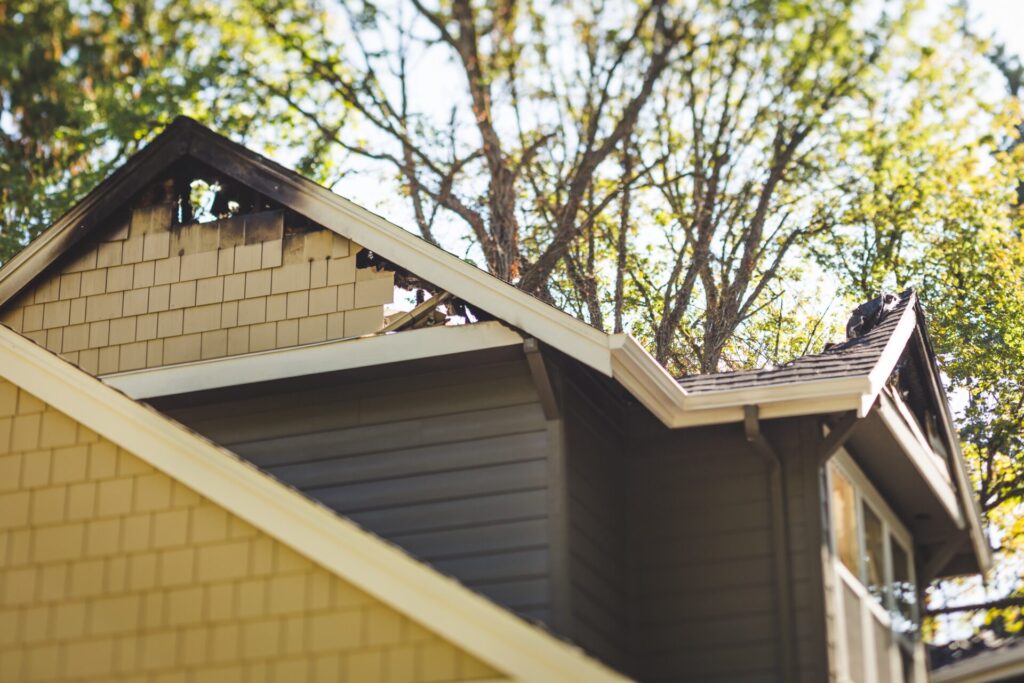
As you begin the recovery process, accurately documenting the damage is essential for filing insurance claims. Your insurance documentation should include detailed photographs, written descriptions, and an extensive damage assessment. This evidence not only supports your claim but also helps guarantee you receive fair compensation.
| Type of Damage | Description | Photo Reference |
|---|---|---|
| Structural Damage | Walls, roof, and foundation issues | [Photo 1] |
| Contents Damage | Furniture, electronics, personal items | [Photo 2] |
| Smoke Damage | Staining on walls and ceilings | [Photo 3] |
Capture every detail, even minor ones. Organizing this information will streamline the claims process and provide peace of mind during a challenging time. Remember, thorough documentation reflects your commitment to recovery, fostering a sense of belonging in your community as you rebuild your life.
Removing Debris and Contaminated Materials
Before you start removing debris and contaminated materials, prioritize your safety by wearing protective gear like gloves, masks, and sturdy footwear.
It’s essential to know the proper disposal methods for hazardous waste to prevent further contamination and adhere to local regulations.
Safety Precautions First
When you begin the recovery process after a fire, prioritizing safety is vital, especially when it comes to removing debris and contaminated materials. Using proper personal protective equipment (PPE) is critical to guarantee your well-being. Here’s a quick overview of essential safety measures:
| PPE Required | Purpose | Tips |
|---|---|---|
| Safety goggles | Protect eyes from debris | Ensure a snug fit |
| N95 respirator | Filter harmful particles | Check for proper seal |
| Heavy-duty gloves | Shield hands from cuts | Choose chemical-resistant |
| Steel-toed boots | Protect feet from falling objects | Wear durable materials |
Proper Disposal Methods
Proper disposal of debris and contaminated materials is essential for a safe recovery after a fire. You need to assess the damage and identify hazardous waste, such as charred items and chemical residues. These materials can pose serious health risks, so handle them with care.
Whenever possible, prioritize recycling materials to minimize environmental impact. Contact local waste management services that specialize in hazardous waste disposal to guarantee safety and compliance with regulations.
By following these proper disposal methods, you’re not just protecting your health you’re also contributing to a cleaner community. Remember, you’re not alone in this process; support from professionals and fellow community members can help you navigate recovery effectively.
Together, we can rebuild and restore.
Cleaning and Restoring Affected Areas
Cleaning and restoring areas affected by fire damage is a critical step in the recovery process. It’s important to start with effective cleaning techniques that can remove soot, smoke, and harmful residues.
Begin by evaluating the extent of the damage; you may need specialized equipment for hard-to-reach areas. Use restoration products designed specifically for fire damage these can help neutralize odors and prevent further deterioration of your property.
Make sure to wear protective gear, as contaminants can pose health risks. Focus on surfaces, fabrics, and structures, ensuring you address all affected areas.
Don’t forget to clean HVAC systems, as smoke particles can linger there. By taking these steps, you’ll not only restore your home but also create a healthier environment for you and your loved ones.
Implementing Preventive Measures for the Future
To safeguard your home from future fire hazards, regular fire safety inspections are essential.
Make certain you install smoke alarms in key locations and test them monthly to guarantee they function properly.
Additionally, creating and practicing emergency plans with your family can prepare everyone for a swift and safe response in case of an emergency.
Regular Fire Safety Inspections
While fire incidents can have devastating effects, regular fire safety inspections can greatly alleviate future risks. By implementing a structured inspection frequency, you can identify potential hazards before they escalate.
It’s essential to integrate fire safety training into your routine, equipping everyone with the knowledge to recognize and report issues. Regular inspections not only safeguard your property but also foster a culture of safety among your community.
As you engage in this proactive approach, remember that belonging to a safety-conscious environment strengthens connections and trust. Together, you and your neighbors can create a resilient space, reducing the anxiety associated with fire risks.
Prioritizing these inspections guarantees you’re prepared, allowing everyone to thrive in a safer atmosphere.
Install Smoke Alarms
Regular fire safety inspections set the groundwork for effective fire prevention strategies, and one of the most essential steps you can take is installing smoke alarms.
Choose from various smoke alarm types-ionization, photoelectric, or dual-sensor each offering unique advantages based on your home’s layout. For peak effectiveness, follow these installation tips: place alarms on every level of your home, especially near sleeping areas, and verify they’re at least ten feet away from cooking appliances to prevent false alarms.
Test your smoke alarms monthly and replace batteries at least once a year. By taking these proactive measures, you foster a safer environment for your family and create a sense of community, knowing you’re looking out for one another’s well-being.
Create Emergency Plans
Creating emergency plans is essential for ensuring your family’s safety in the event of a fire.
Begin by mapping out clear evacuation routes, ensuring everyone knows the quickest paths to safety. Regularly conduct emergency drills to practice these routes, making sure each family member feels confident in their role.
Designate a meeting point outside your home where everyone can gather after evacuating. This fosters a sense of security and belonging, as you all work together to stay safe.
Additionally, discuss the importance of not returning to the house for personal items, reinforcing safety over belongings.
Frequently Asked Questions
How Long Does the Fire Damage Recovery Process Typically Take?
The fire damage recovery process typically takes several weeks to months, depending on the extent of damage. You’ll navigate recovery phases, which include assessment, cleanup, and restoration, all essential to establishing your home’s safety and comfort.
Will My Insurance Cover All Restoration Costs?
Your insurance policy might not cover every cent of restoration costs; understanding your coverage limits is essential. Be certain to review your policy details and discuss options with your insurer to guarantee adequate support.
Can I Handle Fire Damage Cleanup Myself?
You can handle fire damage cleanup yourself, but prioritize fire safety and utilize proper recovery techniques. Assess your skills and resources; involving professionals may guarantee thorough restoration, preventing further complications and fostering a sense of community support.
What Should I Do if I Smell Smoke After a Fire?
If you smell smoke, immediately check smoke detection systems, ensuring they’re functional. Implement ventilation strategies by opening windows and doors to clear the air. Stay alert; lingering smoke can indicate hidden dangers that need professional attention.
Are There Any Health Risks After a Fire Incident?
Yes, there are health hazards after a fire. Smoke exposure can lead to respiratory issues, irritation, and long-term complications. It’s essential to monitor your symptoms and seek medical attention if you experience persistent discomfort.
Review
In fire damage recovery, it’s essential to follow these steps to safeguard your home and well-being. Remember, “An ounce of prevention is worth a pound of cure.” By evaluating damage, documenting everything, and engaging professionals, you not only guarantee a thorough restoration but also protect your emotional health. Taking proactive measures now can help you rebuild stronger and more resilient, fostering a sense of community and belonging as you move forward from this challenging experience.
Recent Posts
Top Techniques for Commercial Flood Water Removal
When dealing with commercial flood water removal, effectiveness hinges on the right techniques and equipment.
Mastering Commercial Flood Water Extraction Methods
In the world of disaster recovery, mastering flood water extraction is akin to maneuvering a
10 Tips for Water Damage Restoration Process
Imagine a small leak in your roof that, if left unchecked, turns into a waterfall