
Contents
When facing water damage, it’s essential to follow a structured approach to restoration. Each step, from evaluating the damage to documenting the process, plays a critical role in ensuring safety and minimizing further issues. Neglecting any of these steps can lead to mold growth, structural instability, or complications with insurance claims. Understanding why each action matters will help you make informed decisions during a stressful situation. What’s the first step you should take?
Key Takeaways
- Following these steps ensures the identification and mitigation of water damage sources, preventing further deterioration of property.
- Effective water extraction promotes faster drying, reducing the risk of mold growth and structural damage.
- Regular maintenance and inspections help proactively address vulnerabilities, minimizing future water damage risks.
- Proper documentation aids in insurance claims and provides a clear record of restoration efforts for accountability.
- Implementing waterproofing measures creates long-term barriers against future water intrusion, safeguarding the property.
Assessing the Water Damage
When you face water damage, the first step is to assess the extent of the problem. Start by performing water detection to identify the source and areas affected. Use moisture meters or infrared cameras to locate hidden moisture that mightn’t be visible.
Next, evaluate the damage assessment by examining walls, floors, and personal belongings for signs of water intrusion, such as discoloration or warping. Document everything with photos and notes to create a detailed report. This information will be vital for insurance claims and restoration efforts.
Verify you check for structural integrity, as compromised areas could pose safety risks. Engaging in a thorough assessment not only helps you understand the damage but also fosters a sense of community as you share insights and solutions with others facing similar challenges.
Taking these steps empowers you to make informed decisions, ultimately leading to effective restoration.
Ensuring Safety Precautions
Before you begin any water damage restoration efforts, it’s crucial to prioritize safety precautions. Start with an extensive hazard assessment to identify potential risks like electrical hazards, mold, or contaminated water.
Make sure you wear appropriate safety gear, including gloves, goggles, and masks, to protect yourself from harmful substances. This gear is critical when dealing with waterlogged areas, as hidden dangers often lurk beneath the surface.
Additionally, consider the structural integrity of your space. If you notice sagging ceilings or unstable floors, don’t hesitate to call a professional for assistance.
Always keep a first aid kit nearby, just in case accidents occur during the restoration process. By taking these precautions seriously, you safeguard yourself and set the stage for an efficient and effective restoration effort.
Safety is a shared responsibility, and it’s imperative for everyone involved in the restoration to adhere to these guidelines.
Stopping the Source of Water
To effectively stop water damage, you need to identify the source of the leak immediately.
Once located, shut off the relevant valves to halt the flow of water.
This quick action is essential in minimizing further damage to your property.
Identify Water Source
Identifying the water source is essential for effective water damage restoration, as stopping the leak prevents further damage. You need to focus on water detection and leak identification to protect your home. Start by inspecting common areas where leaks often occur, such as roofs, pipes, and appliances. Use the following table to guide your inspection:
| Area | Common Issues | Detection Method |
|---|---|---|
| Roof | Missing shingles | Visual inspection |
| Plumbing | Pipe cracks | Moisture meter |
| Appliances | Hose leaks | Water sensors |
| Foundation | Drainage issues | Soil moisture sensors |
Shut Off Valves
Once you’ve located the source of the water leak, shutting off the appropriate valves is vital to prevent further damage.
Start by identifying the main water shut-off valve, usually located near the water meter. Turning this valve off halts the water supply, giving you time to address the issue.
Regular valve maintenance is important; it ensures that these valves operate smoothly when you need them most.
Consider checking for leaks or corrosion during routine home inspections to promote water conservation and avoid future emergencies.
Remember, timely action protects your property and fosters a sense of community responsibility in maintaining shared resources.
Act swiftly, and you’ll minimize damage while contributing to a more sustainable environment.
Removing Standing Water
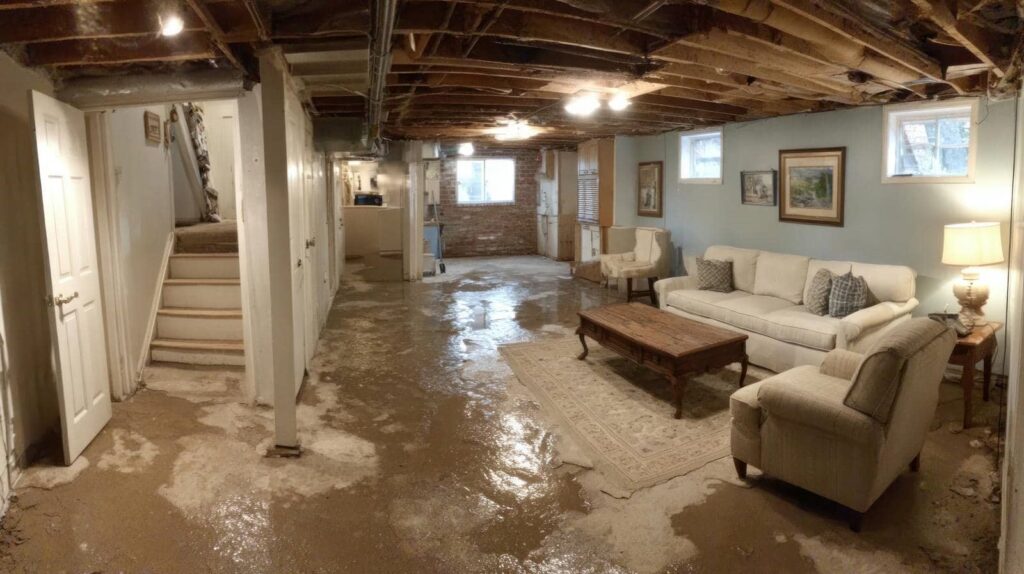
Standing water poses a significant threat to your property, fostering mold growth and damaging structural materials. To effectively manage this situation, immediate water extraction and moisture control are vital. Here’s what you should do:
Identify the source: Determine where the water is coming from to prevent further damage.
Use pumps and vacuums: Use appropriate equipment for efficient water extraction to ensure you remove all standing water.
Monitor humidity levels: Keep an eye on moisture levels in the affected areas to prevent mold growth.
Protect your belongings: Move furniture and valuables to a safe location to minimize damage.
Taking these steps ensures you protect your home and belongings from the devastating effects of water damage.
It creates a safe environment for you and your loved ones, fostering a sense of belonging and security in your space.
Act quickly to safeguard your property!
Drying Affected Areas
As you move forward with the restoration process, drying affected areas is essential to preventing mold growth and further damage. Implementing effective dehumidification methods is vital in this phase. You’ll want to use fans and dehumidifiers to lower humidity levels and enhance airflow. Additionally, moisture detection tools help identify hidden pockets of water that could lead to complications.
Here’s a quick reference table to guide you:
| Method | Purpose |
|---|---|
| Air Movers | Increase airflow |
| Dehumidifiers | Remove moisture from the air |
| Moisture Meters | Detect moisture content |
| Heat Sources | Speed up evaporation |
| Thermo-Hygrometers | Monitor temperature and humidity |
Cleaning and Sanitizing
Once you’ve dried the affected areas, it’s essential to focus on cleaning and sanitizing to eliminate potential health hazards.
Effective cleaning techniques will help remove contaminants, while proper sanitization ensures surfaces are safe for use.
Importance of Sanitization
While water damage can often be visually addressed through drying and repairs, the importance of sanitization can’t be overlooked. Proper sanitization methods are essential to eliminate harmful pathogens that thrive in damp environments, protecting your health and that of your loved ones.
Ignoring sanitization poses several health risks, including:
Mold Growth: Mold can spread rapidly, leading to respiratory issues.
Bacteria Proliferation: Contaminated water can harbor bacteria that cause illness.
Allergies and Irritations: Poor sanitization can exacerbate allergies and skin irritations.
Structural Degradation: Unaddressed contaminants can weaken structural integrity.
Effective Cleaning Techniques
Effective cleaning techniques are essential for restoring areas affected by water damage, especially when it comes to eliminating contaminants and preventing future issues.
You’ll want to use efficient products specifically designed for water damage restoration, as they can effectively break down mold and mildew.
Advanced techniques, such as thermal fogging or ozone treatment, can further enhance the cleanup process by neutralizing odors and sanitizing surfaces.
Remember to focus on high-touch areas, ensuring thorough disinfection.
Using a combination of these products and methods cleans and protects your space from recurring problems.
Repairing Structural Damage
Repairing structural damage after water intrusion is essential to ensuring the safety and integrity of your property.
When you address these issues promptly, you safeguard your home and your peace of mind.
Here are four key repair techniques you should consider:
Assess the Damage: Identify areas with compromised structural integrity to prioritize repairs.
Replace Damaged Materials: Remove and replace affected drywall, insulation, and flooring to restore your space.
Reinforce Structures: Use beams or braces to strengthen weakened areas, ensuring long-term stability.
Waterproofing Measures: Implement effective waterproofing techniques to prevent future water-related issues.
Preventing Future Issues
After addressing structural damage, your focus should shift to preventing future issues that could arise from water intrusion. Implementing effective waterproofing techniques is essential. These methods create barriers to keep water out, reducing the risk of damage. Additionally, routine maintenance plays a significant role in safeguarding your property. Regularly inspecting and repairing roofs, gutters, and foundations will help identify potential weak points before they become major problems.
| Waterproofing Techniques | Routine Maintenance |
|---|---|
| Install sump pumps | Check and clean gutters |
| Use waterproof paint | Inspect the roof for leaks |
| Seal basement walls | Ensure proper drainage |
Documenting the Restoration Process
While maneuvering through the complex water damage restoration process, documenting each step is essential for both accountability and future reference.
Keeping track of your restoration timeline isn’t just practical; it’s crucial for your peace of mind. You’ll want to make sure you’re covering all bases.
Here’s how to effectively document your progress:
Photograph Damage: Capture images before, during, and after restoration to create a visual timeline.
Record Dates: Note the timing of each restoration phase to stay organized and on schedule.
List Materials Used: Keep an inventory of supplies, which can help in future repairs or claims.
Detail Work Done: Write down the specific actions taken during the restoration process for thoroughness.
Frequently Asked Questions
How Long Does Water Damage Restoration Typically Take?
Water damage restoration typically takes between 3 and 7 days, depending on the severity. Understanding the water damage timeline helps you anticipate the restoration process and stay informed, ensuring you’re prepared throughout the recovery journey.
Can I Handle Water Damage Restoration Myself?
You can attempt DIY restoration, but be aware of the risks involved, like mold growth and structural damage. Proper training and equipment are essential to effectively manage water damage without compromising safety.
What Are the Costs Involved in Water Damage Restoration?
The costs involved in water damage restoration vary based on several cost factors, including the extent of damage, materials needed, and restoration pricing. You should anticipate expenses ranging from hundreds to thousands of dollars, depending on these variables.
Will My Insurance Cover Water Damage Restoration Expenses?
Some homeowners experience water damage, but whether your insurance covers restoration depends on your policy’s coverage limits. Review your policy details to understand what’s included and any exclusions that might apply.
How Can I Tell if Mold Has Developed After Water Damage?
You can detect mold by checking for musty odors, visible discoloration, or dampness in affected areas. Mold poses health risks, so if you notice these signs, take immediate action to prevent further growth and exposure.
Final Thoughts
Following these steps for water damage restoration is as essential as a sturdy dam holding back a flood. By carefully evaluating damage, ensuring safety, and thoroughly drying and sanitizing affected areas, you protect your property from mold and structural issues. Repairing any damage and documenting your actions safeguards your investment and also prepares you for potential insurance claims. Taking these measures now can save you time, money, and stress in the future.
Recent Posts
Mastering Commercial Flood Water Extraction Methods
In the world of disaster recovery, mastering flood water extraction is akin to maneuvering a
10 Tips for Water Damage Restoration Process
Imagine a small leak in your roof that, if left unchecked, turns into a waterfall
Five Steps for Successful Water Damage Recovery
When faced with water damage, your response must be methodical and precise. Start by evaluating