
Contents
Smoke damage can linger like an unwelcome guest, affecting your business’s atmosphere and reputation. Understanding how to address it without breaking the bank is essential. There are practical steps you can take to manage and mitigate the effects of smoke damage effectively. From cost-effective cleaning solutions to preventive measures, you can protect your space and employees. Let’s explore some budget-friendly strategies that can help you navigate this challenge.
Key Takeaways
- Utilize a vinegar and water mixture for cost-effective cleaning of smoke residue on surfaces and fabrics.
- Implement regular inspections and bi-annual assessments to catch smoke damage before it escalates.
- Invest in affordable air purification systems with HEPA filters to enhance air quality and reduce odors.
- Schedule quarterly employee training workshops to promote awareness and an effective response to smoke damage.
- Engage employees in safety initiatives to foster a culture of responsibility and reduce potential fire risks.
Understanding Smoke Damage and Its Effects on Businesses
When a fire occurs, even if it’s small, smoke damage can linger long after the flames are extinguished, impacting your business in various ways. You mightn’t realize it, but the causes of smoke include the burning materials, as well as the incomplete combustion of items like plastics or wood.
This can lead to different types of smoke damage, including soot residue, odors, and chemical contaminants. These smoke residues can settle on surfaces and seep into fabrics, affecting both the aesthetic and health of your workspace.
If left unaddressed, these issues can deter customers and create a less welcoming environment for employees. Understanding smoke damage is essential, as it allows you to take practical steps toward restoration.
Assessing the Extent of Smoke Damage
After understanding the impacts of smoke damage, the next step is to evaluate its extent. Start with a thorough damage assessment of your space. Look for visible signs like soot stains, discoloration, and lingering odors. Each of these indicators can tell you how severe the damage is.
Next, conduct a severity analysis to determine which areas require immediate attention. Focus on high-traffic zones or sensitive equipment, as these might be more vulnerable to smoke effects.
Don’t forget to check HVAC systems, as they can spread contaminants if not properly addressed.
Finally, document your findings. This will help in planning your cleanup and serve as a record for insurance claims.
Immediate Steps to Take After Smoke Damage
As soon as you recognize smoke damage, it’s crucial to act quickly to minimize further issues. A swift emergency response can greatly impact your restoration timeline and help you get back on track.
Here are four immediate steps you should take:
Confirm Safety: Evacuate the area if necessary and confirm everyone’s out of harm’s way.
Ventilate the Space: Open windows and doors to allow fresh air in, reducing smoke odor and improving air quality.
Document Damage: Take photos and notes for insurance claims and restoration services, as detailed records can expedite the process.
Contact Professionals: Reach out to restoration experts who specialize in smoke damage. Their expertise will help you navigate the recovery efficiently.
Taking these steps right away can make a world of difference in your business’s recovery and allow you to rebuild with confidence.
Cost-Effective Cleaning Solutions for Smoke Residue
Once you’ve taken immediate steps to address smoke damage, it’s time to focus on cleaning up the residue left behind. You can use cost-effective products to make this process easier and more affordable.
Start with a mixture of vinegar and water; this solution works wonders for breaking down smoke residue on surfaces. For fabrics, look for specialized smoke cleaning techniques that utilize baking soda, which absorbs odors effectively.
When tackling walls and ceilings, a gentle scrub with a non-toxic cleaner can help lift stubborn stains.
Don’t forget to ventilate the area as you clean; fresh air can greatly improve the atmosphere. Additionally, consider using microfiber cloths for dusting and wiping, as they trap particles better than traditional cloths.
DIY Techniques for Smoke Odor Removal
How can you effectively eliminate stubborn smoke odors from your space? With a few DIY techniques, you can tackle this issue without breaking the bank. Here’s what you can do:
Ventilation Techniques: Open windows and doors to allow fresh air to circulate. Use fans to enhance air flow and disperse the odor.
Baking Soda: Sprinkle baking soda on affected surfaces and carpets. Let it sit for several hours before vacuuming to absorb odors.
Odor Neutralizers: Use commercial odor neutralizers specifically designed for smoke. Look for products that target smoke smells for the best results.
Vinegar Solution: Mix equal parts of water and white vinegar in a spray bottle. Lightly mist the area; the vinegar will help neutralize the odor.
Utilizing Natural Remedies for Smoke Damage
While smoke damage can be a persistent issue, utilizing natural remedies offers effective solutions that are both safe and budget-friendly.
Start with a vinegar solution; mix equal parts vinegar and water to create a natural cleaning agent that neutralizes odors. For stubborn smells, sprinkle baking soda on affected surfaces, let it sit, and then vacuum it up.
Essential oils are another great option; add a few drops of oils like lavender or eucalyptus to your vinegar solution for a pleasant scent. Charcoal bags are excellent for absorbing odors—place them in problem areas for a few days.
Finally, consider using citrus sprays; blend citrus peels with water and spray around your space to freshen the air.
These natural remedies tackle smoke damage and foster a welcoming environment. Embrace these budget-friendly solutions to keep your business smelling fresh and inviting!
Hiring Professional Services on a Budget
Natural remedies can effectively address minor smoke damage, but sometimes you need professional help to tackle more extensive issues.
Hiring affordable restoration services doesn’t have to break the bank. Here are some tips to get you started:
Research Local Specialists: Look for companies that offer budget consultations. Local businesses often provide competitive rates.
Get Multiple Quotes: Don’t settle for the first estimate. Comparing at least three quotes helps you find the best deal.
Check for Discounts: Inquire about seasonal promotions or discounts for first-time clients. Many companies offer deals to attract new customers.
Discuss Payment Plans: Some services provide flexible payment options, making it easier for your budget to absorb costs.
Insurance Options for Smoke Damage Restoration
When smoke damage affects your home, understanding your insurance options can greatly ease the financial burden of restoration. Start by reviewing your insurance coverage to identify what’s included. Be aware of policy exclusions that might affect your claims process.
Here’s a simple breakdown:
| Coverage Type | Key Considerations | Potential Costs |
|---|---|---|
| Restoration Coverage | Check restoration limits | Deductible costs |
| Temporary Housing | May cover business interruption | Varies by policy |
| Liability Considerations | Ensure coverage for damages | Additional fees |
Involving your insurance provider early can streamline the claims process. You want to avoid surprises that could arise from uncovered expenses. Understanding these aspects ensures you’re prepared, minimizing stress during restoration. Always consult your insurance agent for detailed guidance tailored to your specific needs.
Preventive Measures to Avoid Future Smoke Damage
To prevent future smoke damage, you should prioritize regular maintenance checks in your home or business.
Installing smoke detectors is essential for early detection, while employee training programs can ensure everyone knows how to respond effectively in case of a fire.
Regular Maintenance Checks
While regular maintenance checks might seem like a hassle, they’re essential for preventing future smoke damage in your home.
By sticking to maintenance schedules and conducting regular inspections, you can identify potential risks before they escalate.
Here are four key tasks to include in your routine:
Inspect HVAC systems: Verify ducts are clean and filters are replaced regularly.
Check electrical outlets: Look for signs of wear or damage that could cause overheating.
Examine appliances: Confirm that all appliances are in good working order to prevent fires.
Review fire extinguishers: Make certain they’re charged and accessible, replacing them as needed.
Install Smoke Detectors
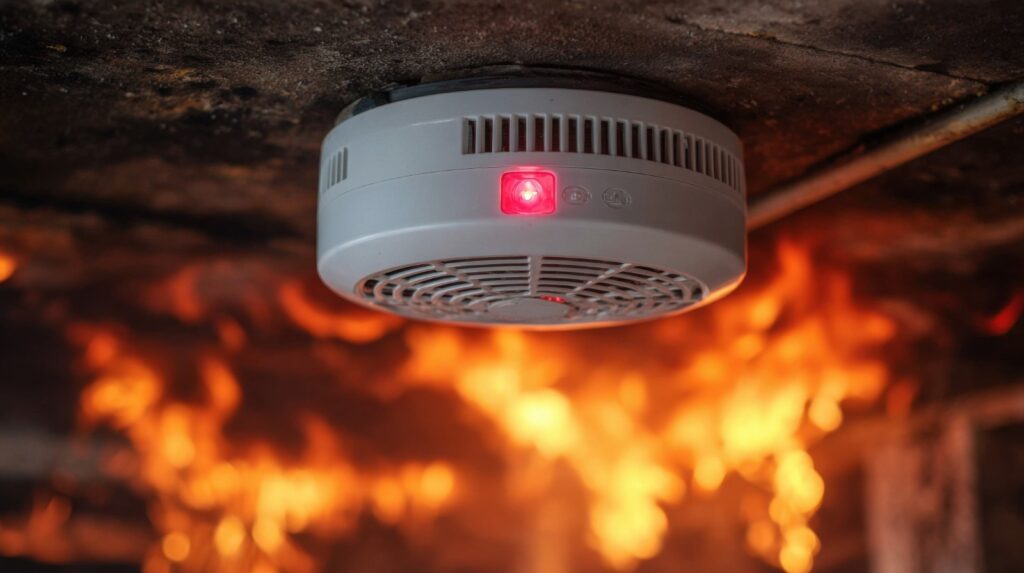
One of the simplest yet most effective ways to protect your home from smoke damage is by installing smoke detectors.
There are various smoke detector types, including ionization and photoelectric versions, each designed for different environments. Follow installation guidelines carefully to ensure they function properly.
Place detectors in every room, especially near sleeping areas and the kitchen, where fires are most likely to start. Regularly test your smoke detectors and replace batteries as needed; this simple step can save lives and protect your property.
By taking these proactive measures, you create a safer environment for yourself and those around you, fostering a sense of security that everyone in your community can appreciate.
Don’t wait—install smoke detectors today!
Employee Training Programs
Implementing employee training programs is essential for preventing future smoke damage in your facility. By fostering employee awareness and reinforcing safety protocols, you create a safer environment for everyone.
Here are four key components to include in your training:
Fire Safety Education: Teach employees about fire hazards and how to identify them.
Emergency Procedures: Ensure everyone is familiar with the evacuation routes and emergency contacts.
Proper Equipment Use: Train staff on how to use fire extinguishers and smoke detectors effectively.
Regular Drills: Schedule fire drills to keep safety protocols fresh in their minds.
These initiatives promote a culture of safety, empowering your team to act swiftly and responsibly in the face of potential smoke damage.
Long-Term Solutions for Smoke Damage Mitigation
As you plan for long-term smoke damage mitigation, consider investing in thorough solutions that address immediate concerns and prevent future issues. Implementing sustainable practices is key to ensuring your business remains resilient against smoke damage.
| Solution | Benefits | Implementation Tips |
|---|---|---|
| Regular Inspections | Detects issues early | Schedule bi-annual assessments |
| Air Purification Systems | Improves air quality | Choose HEPA filters |
| Employee Training | Enhances awareness | Conduct quarterly workshops |
| Fire Safety Equipment | Reduces fire risk | Install smoke alarms & sprinklers |
| Regular Maintenance | Extends lifespan of systems | Create a maintenance checklist |
Wrap-Up
Incorporating these budget-friendly smoke damage solutions is like building a sturdy fence around your business, protecting it from future risks. By regularly inspecting fire safety equipment, utilizing DIY cleaning methods, and investing in air purification, you can keep your workspace safe and healthy. Don’t underestimate the power of preventive measures and employee training; they’re your first line of defense. Take action now, and you’ll safeguard your business against the lingering effects of smoke damage.
Recent Posts
Commercial Flood Water Extraction Methods Explained
When it comes to commercial flood water extraction, understanding the methods used is essential for
Top Techniques for Commercial Flood Water Removal
When dealing with commercial flood water removal, effectiveness hinges on the right techniques and equipment.
Mastering Commercial Flood Water Extraction Methods
In the world of disaster recovery, mastering flood water extraction is akin to maneuvering a